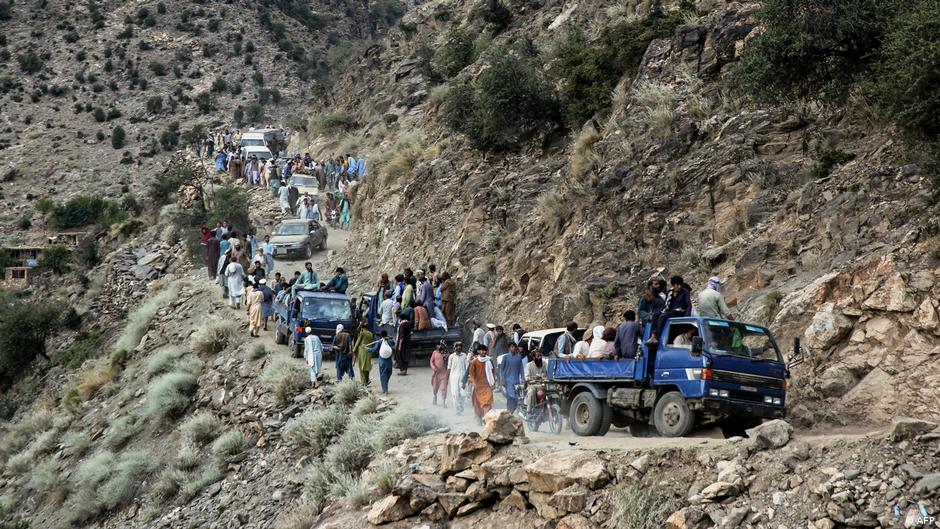
A powerful earthquake has struck Afghanistan, resulting in the deaths of eight people and injuries to others. The quake occurred in a remote area, complicating rescue efforts. The incident took place early this morning, with residents feeling the tremors that caused the collapse of several buildings.
Rescue teams continue to search for survivors amidst significant challenges due to rugged terrain and adverse weather conditions. Local authorities confirmed that the earthquake registered a magnitude of 5.6 on the Richter scale, making it one of the strong earthquakes that impact infrastructure in rural areas.
Details of the Event
According to initial reports, the earthquake occurred at 6:30 AM local time, with its epicenter near the city of Bamiyan, an area known for its mountainous terrain. The tremors were felt across wide areas of the country, including the capital Kabul, where residents expressed concern and fear.
Many old buildings in the affected areas collapsed, leading to an increase in the number of casualties. Rescue teams are working around the clock to provide assistance to those affected, but logistical challenges hinder their efforts.
Background & Context
Historically, Afghanistan is considered a seismically active region due to its geographical location, lying on tectonic plate boundaries. Earthquakes in this area are not new, but their impact is often devastating, especially in rural areas where infrastructure lacks the resilience needed to withstand such disasters.
In recent years, Afghanistan has experienced several earthquakes, but this quake comes at a sensitive time as the country faces escalating humanitarian and economic crises. The current government is facing significant challenges in providing necessary aid to those affected.
Impact & Consequences
The repercussions of this earthquake could be far-reaching, as it is expected to affect humanitarian relief efforts in the country. With the rising number of casualties, the government will need international support to meet the needs of the affected.
This earthquake may also highlight the need for improved infrastructure in Afghanistan, as many buildings do not meet the necessary safety standards. This is likely to lead to renewed calls for international aid and investment in reconstruction projects.
Regional Significance
For the Arab region, this event underscores the importance of humanitarian cooperation in the face of natural disasters. Many Arab countries have experience in providing humanitarian assistance, and this earthquake could be an opportunity to enhance collaboration among Arab nations in the field of relief.
Additionally, events in Afghanistan may impact regional security, as instability in the country could have wider repercussions for neighboring states.
In conclusion, the earthquake in Afghanistan serves as a harsh reminder of the fragility of life in conflict zones, and the world needs to unite its efforts to assist those affected and rebuild what nature has destroyed.