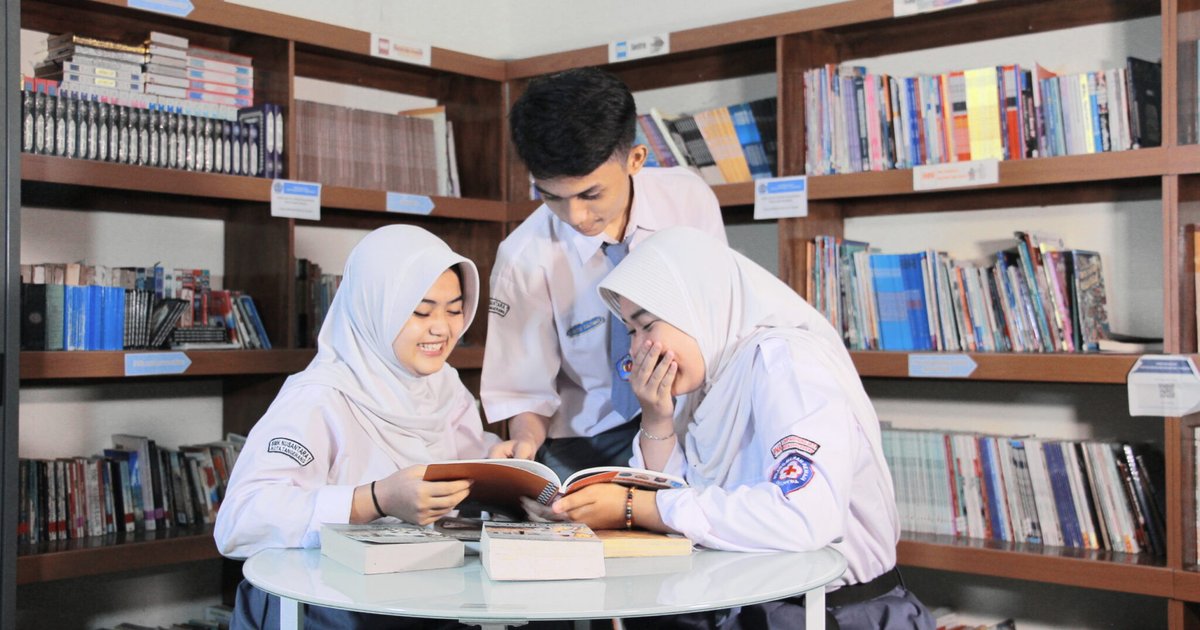
The East Java province of Indonesia, under the leadership of its governor Khoifi Indar Parawansa, has announced a major achievement in education by topping the list of successful students in the Seleksi Nasional Berdasarkan Prestasi (SNBP) for 2026. A total of 29,046 students from the province have been accepted into public universities, representing the highest percentage nationwide.
During a press conference held in the city of Surabaya, Khoifi expressed pride in this achievement, noting that this success is not only a result of the students' efforts but also a consequence of strategic plans implemented to improve the quality of education in the region. She emphasized that this achievement reflects the presence of outstanding students in East Java.
Event Details
According to official data from the Seleksi Nasional Penerimaan Mahasiswa Baru (SNPMB), a total of 108,122 students registered nationwide, with West Java coming in second with 18,365 students, followed by Central Java with 16,326 students. The results also showed that students from East Java possess strong competitive abilities at the national level, reflecting an improvement in the quality of human resources in the region.
Additionally, East Java has been recorded as the province with the highest number of accepted students through the Kartu Indonesia Pintar Kuliah (KIP-K) program, with 8,915 students accepted out of 40,213 applicants, showcasing the government's commitment to expanding educational opportunities for students from low-income families.
Background & Context
East Java is one of the largest provinces in Indonesia and plays a vital role in the development of education in the country. Since 2019, the local government has begun implementing educational strategies aimed at improving the quality of education and increasing students' opportunities to enroll in universities. These efforts include enhancing curricula, training teachers, and providing necessary educational resources.
Historically, East Java faced challenges in the education sector, but with a focus on developing educational infrastructure and increasing investments in this sector, clear results have begun to emerge. Achieving this ongoing success reflects the local government's commitment to achieving educational equity and providing opportunities for all.
Impact & Consequences
This achievement has positive implications for education in Indonesia, enhancing East Java's status as a distinguished educational destination. It also encourages other provinces to improve their educational systems, contributing to raising the overall level of education in the country.
Moreover, the success of students from East Java in gaining admission to public universities reflects an improvement in the higher education landscape in the country, which may lead to better job opportunities and increased economic development in the region.
Regional Significance
Although this achievement pertains to Indonesia, it can serve as an inspiration for Arab countries facing challenges in education. Improving the quality of education and increasing access to higher education can contribute to developing human resources and promoting sustainable development in the region.
In conclusion, the success of East Java in achieving this ongoing educational milestone represents an important step towards achieving educational equity and providing opportunities for all, reflecting the significance of investing in education as a means to achieve comprehensive development.