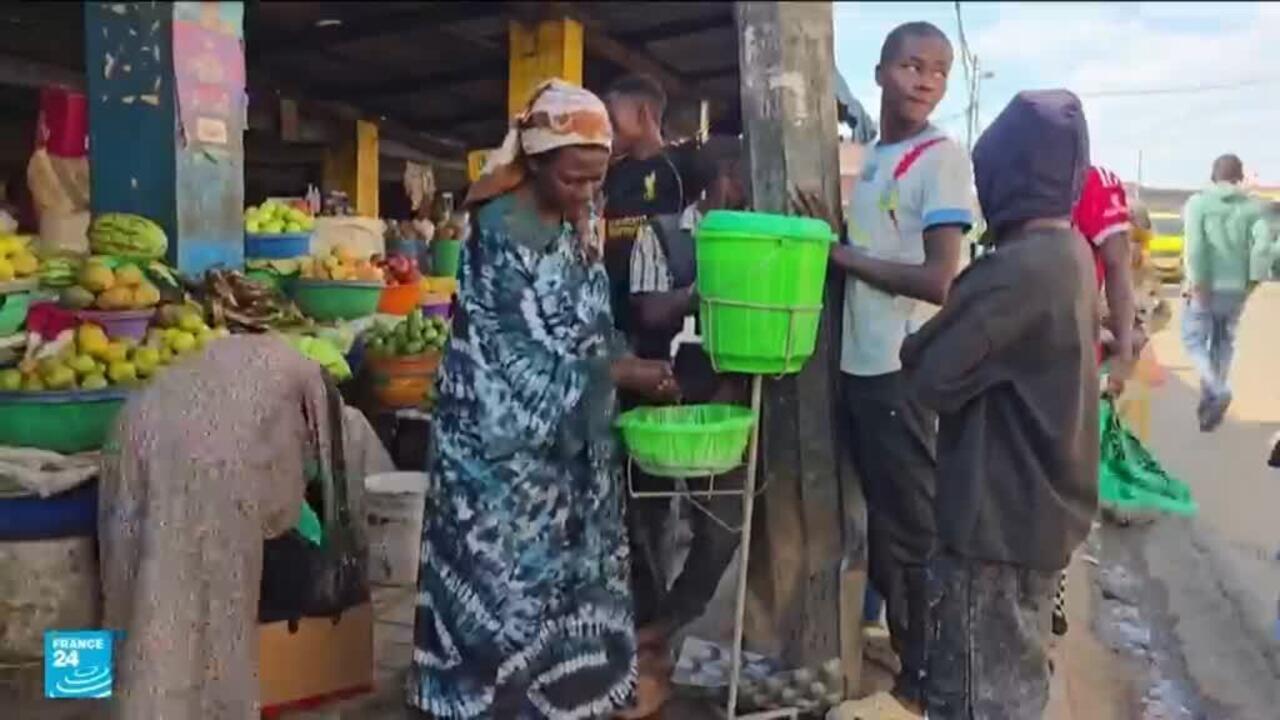
The Democratic Republic of Congo has reported its first confirmed case of the Ebola virus in South Kivu, raising concerns about the potential spread of the epidemic. This development comes at a time when the region is facing difficulties in accessing affected areas, alongside ongoing armed violence, including clashes between the Congolese army and the M23 armed group.
This new case serves as a warning for health authorities, as South Kivu is hundreds of kilometers away from the main outbreak epicenter. Reports of this case have sparked increased anxiety among local residents, who fear the virus may spread under the current conditions.
Details of the Event
The Congolese Ministry of Health announced the new case, indicating that the infected individual has been isolated and is receiving treatment. However, the difficulty in accessing remote areas in eastern Congo due to armed conflicts hampers efforts to control the virus. Previous cases of Ebola have been recorded in other regions of the country, but this case presents a new challenge in the context of deteriorating security conditions.
Concerns are growing that the spread of the virus could exacerbate the humanitarian situation in the region, where residents are already suffering from a lack of basic health services. The volatile security situation further complicates response efforts to the epidemic.
Background & Context
Historically, the Democratic Republic of Congo has experienced several outbreaks of the Ebola virus, which is one of the deadliest viruses affecting humans. The virus was first discovered in 1976, and since then, numerous cases have been recorded in various regions. However, the current situation is different due to the ongoing conflicts plaguing the country, making it more challenging to manage epidemics.
South Kivu is one of the most affected regions by armed conflicts, with several armed groups vying for control. This situation hinders the government's efforts to provide necessary healthcare to the population and complicates the implementation of vaccination and health awareness campaigns.
Impact & Consequences
The outbreak of the Ebola virus could have serious public health implications in the Democratic Republic of Congo. If the virus is not contained quickly, it could lead to an increase in infections and fatalities, placing additional pressure on an already struggling healthcare system.
Moreover, the outbreak could negatively impact the local economy, as business and tourism activities may decline due to fears of infection. The psychological impact on the population will also be significant, as many live in a state of anxiety and fear of contracting the virus.
Regional Significance
Although the Ebola virus does not typically spread in Arab countries, the events in the Democratic Republic of Congo may raise concerns in the region. Epidemics can increase awareness of the importance of preparedness for health crises and enhance cooperation among Arab countries in public health.
Additionally, the outbreak may affect migration patterns, as some may seek to flee affected areas, increasing challenges for neighboring countries.
The situation in the Democratic Republic of Congo requires an urgent response from the international community to ensure the containment of the Ebola virus and protect the population from its negative repercussions.