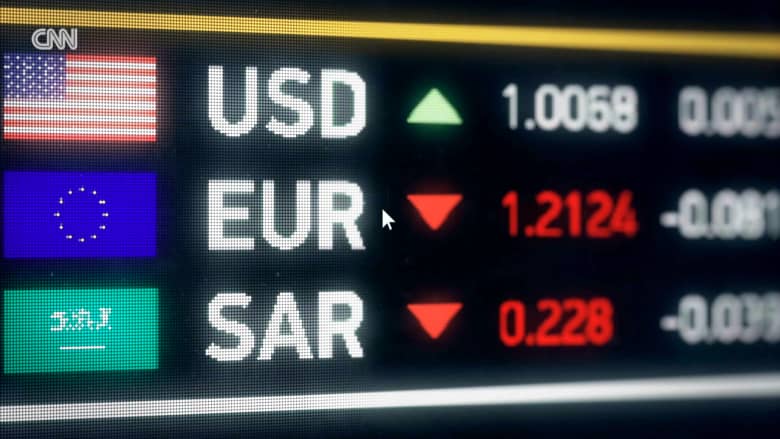
Economic fears are escalating as the conflict in Iran persists, leading to a decline in global market optimism. This situation unfolds amid increasing regional tensions affecting economic stability. The ongoing conflict in Iran, which began several months ago, has had widespread repercussions on financial markets, prompting investors to reassess their investments.
In light of these circumstances, reports indicate that many major companies have begun taking precautionary measures, reflecting growing concerns about the impact of the conflict on supply chains and global prices. Additionally, the political tensions in the region could lead to greater market volatility, increasing uncertainty for investors.
Details of the Conflict
The conflict in Iran, which erupted due to popular protests against the government, has evolved to include military interventions by regional and international powers. This has led to escalating violence and a deterioration of humanitarian conditions, directly impacting the Iranian economy and causing a decline in the value of the local currency.
Reports suggest that global companies that had invested in Iran are beginning to withdraw their investments, further increasing pressure on the Iranian economy. Moreover, sanctions imposed by some Western countries have complicated the situation, as the Iranian government seeks solutions to navigate the crisis.
Background & Context
The history of the conflict in Iran dates back many years, marked by political and economic tensions. Since the Islamic Revolution in 1979, Iran has experienced numerous crises that have affected its internal and external stability. The recent conflict is a result of the accumulation of these crises, with the Iranian people facing significant economic challenges, including rising unemployment and inflation rates.
In recent years, there have been international attempts to resolve the conflict through dialogue, but these efforts have not borne fruit. Instead, tensions have escalated, making the situation more complex.
Impact & Consequences
The economic repercussions of the conflict in Iran extend beyond the country itself, impacting global markets. The decline in market optimism means that investors may turn towards safer assets, such as gold and government bonds, which could lead to fluctuations in oil and metal prices.
Furthermore, the conflict could affect regional stability, potentially escalating tensions between neighboring countries. This situation could negatively impact foreign investments in the region, increasing economic instability.
Regional Significance
The impact of the conflict in Iran extends to Arab countries, where Iran is considered a key player in many regional conflicts. The conflict may affect relations between Arab states and Iran, increasing tensions in the region.
Additionally, the economic crises in Iran could lead to a flow of refugees into neighboring countries, increasing pressure on these nations. Any escalation in the conflict could also affect oil prices, which is particularly concerning for oil-producing Arab countries.
In conclusion, the conflict in Iran remains a complex issue that affects many economic and political aspects of the region. It is crucial to monitor developments in this conflict and its impact on global markets and regional stability.