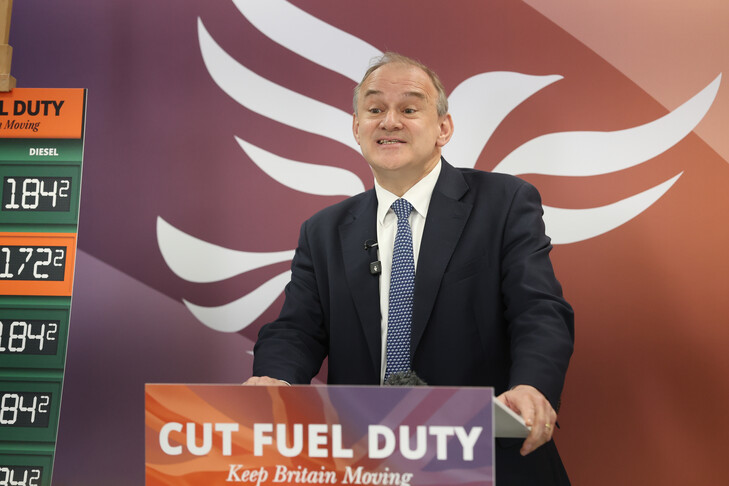
In provocative remarks, Ed Davey, leader of the British Liberal Democrats, asserted that the U.S. administration under former President Donald Trump is no longer a reliable partner for many of its allies. This statement comes amid escalating crises in the Middle East, particularly the Iranian conflict, which reflects the challenges facing British foreign policy.
Davey, speaking at a crucial moment for British-American relations, pointed out that the trust that once existed among allies has significantly eroded. He explained that many countries, including the United Kingdom, could find themselves in a difficult position if Trump were to return to the White House in the upcoming elections.
Details of the Statement
Davey's comments come at a time when tensions in the Middle East are escalating, with growing concerns over the Iranian conflict. He noted that Trump's hardline policy towards Iran has exacerbated the situation rather than improving it. Additionally, Davey criticized the way Trump has handled U.S. allies, which has affected mutual trust.
This statement is part of Davey's electoral campaign, as he seeks to strengthen his party's position against the current government. It arrives at a time when the United Kingdom is experiencing significant political shifts, especially with general elections approaching.
Background & Context
Historically, British-American relations have been regarded as one of the strongest alliances in the world. However, these relations have witnessed notable fluctuations during Trump's presidency, who adopted an unconventional foreign policy. His withdrawal from the Iranian nuclear deal led to increased tensions in the region.
Moreover, Trump's tenure saw a decline in international cooperation, as the U.S. administration took unilateral stances on many issues, negatively impacting the United States' reputation as a reliable ally. These dynamics raise concerns among many European leaders, including Davey.
Impact & Consequences
The implications of Davey's statements extend beyond British borders, reflecting broader international concerns about the future of American relations with its allies. If Trump were to return to power, European countries may need to reassess their security and defense strategies.
These remarks could also influence the upcoming American elections, as Democrats seek to leverage these concerns to bolster their position. Simultaneously, these dynamics may lead to heightened tensions between the U.S. and countries like Iran, complicating the situation in the region.
Regional Significance
Davey's assertions highlight the challenges facing international relations amid changes in American policy, which affects security and stability in the region. As countries in the Middle East grapple with these uncertainties, they may seek new partnerships to navigate the evolving geopolitical landscape.
In conclusion, the shifting dynamics of U.S. foreign policy under Trump have significant implications for allies like the United Kingdom, prompting a reevaluation of strategies and alliances in a rapidly changing world.