Questions are rising about how to exit pretrial detention, with reports indicating that paying bail is one of the available options. This article reviews the details and mechanisms of this process.
Pretrial detention is a sensitive legal issue that generates considerable debate. Individuals are held before their trial for various reasons, including the risk of flight or the potential for committing new crimes. However, the legal system in many countries provides the possibility of releasing detainees through the payment of a financial bail, allowing them to return home until their trial date.
Details of the Bail Process
The procedures for paying bail vary from one country to another, as local laws determine the required amounts and conditions for release. In some cases, bail can be exceedingly high, making it inaccessible for many individuals. Consequently, some people seek alternative solutions, such as consulting lawyers or specialized institutions that provide legal assistance.
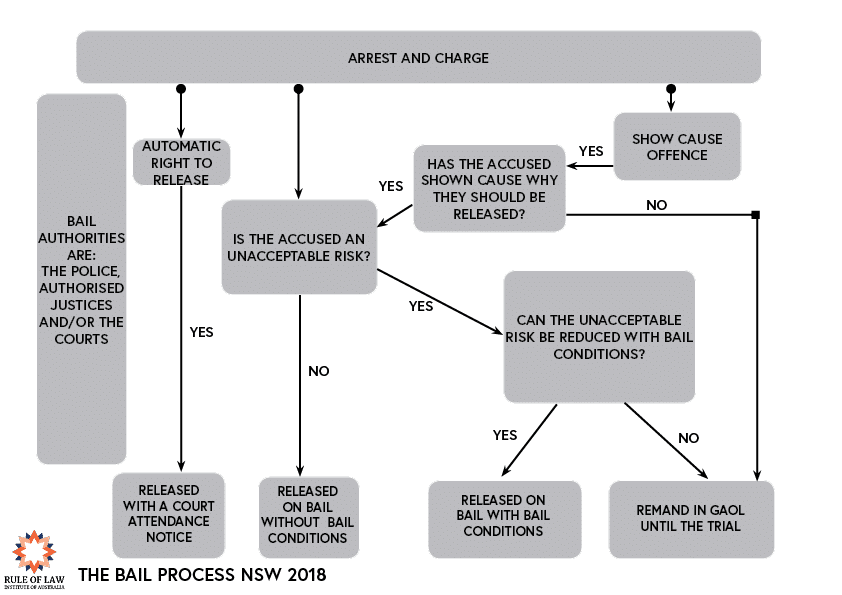
The bail payment process typically involves submitting a request to the court, where the case is evaluated by a judge. If approved, the detainee can be released from jail after paying the required amount. However, individuals must adhere to certain conditions, such as attending all court sessions.
Background & Context
Historically, bail has been a part of the judicial system in many countries, aiming to strike a balance between individual rights and community safety. With the increasing number of cases related to pretrial detention, there is a growing interest in developing fairer and more transparent mechanisms.
In recent years, some countries have begun to reassess their bail policies, seeking to reduce reliance on pretrial detention as a means of crime prevention. This trend reflects a shift in the legal and social understanding of the importance of individual rights and the necessity of providing fair opportunities for self-defense.
Impact & Consequences
Bail policies directly affect the lives of individuals and their families. Detainees may face psychological and social difficulties due to the loss of freedom. Additionally, prolonged detention can lead to negative impacts on their professional and family lives.
Moreover, high bail costs can exacerbate poverty in communities, as many individuals find themselves unable to pay the required amounts. This situation raises questions about social justice and strengthens calls for judicial reform.
Regional Significance
In the Arab region, bail laws vary from one country to another, reflecting each country's unique social and political context. Some countries adopt more flexible policies, while others remain committed to a strict system that may worsen social crises.
This issue is particularly significant given the economic and social challenges facing many Arab countries, where citizens strive for justice and equality in their legal rights. Improving the bail system could enhance trust in the judicial system and strengthen individual rights.
In conclusion, the issue of pretrial detention and bail remains a vital topic that requires further discussion and consideration. It is essential for governments and communities to seek solutions that ensure individual rights and achieve justice for all.