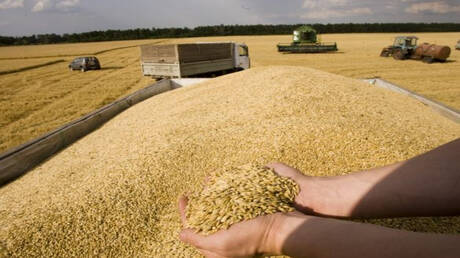
Egyptian Minister of Supply Sherif Farouk has announced a strategic plan aimed at establishing a global center for grain trading and storage, reflecting Egypt's commitment to enhancing food security. The minister indicated that Egypt is seeking long-term Russian wheat supplies, highlighting the importance of cooperation with wheat-producing countries.
This initiative is part of the Egyptian government's efforts to address the economic challenges facing the country, particularly in light of global crises affecting supply chains. In this context, Egyptian officials are striving to diversify wheat import sources, as Russia is one of the largest wheat exporters in the world.
Details of the Initiative
During a press conference, Sherif Farouk clarified that the proposed center will facilitate grain trading and storage operations, contributing to improving the efficiency of the local market. He also noted that the center will position Egypt as a pivotal point in regional grain trade.
The minister added that the Egyptian government aims to sign long-term agreements with Russian suppliers, which will ensure supply stability and enhance the country's ability to cope with any potential grain shortages. This comes at a time when many countries are experiencing rising food prices due to global crises.
Background & Context
Historically, Egypt has heavily relied on wheat imports from several countries, including Russia and Ukraine. With the outbreak of the conflict in Ukraine, wheat supplies have been significantly affected, prompting the Egyptian government to seek new alternatives to ensure supply continuity.
In recent years, the Egyptian government has taken numerous steps to bolster food security, including increasing the cultivated areas of local wheat and improving agricultural techniques. However, reliance on imports remains, making it essential to diversify supply sources.
Impact & Consequences
The establishment of a global grain trading center in Egypt could have positive effects on the local economy, as it will contribute to creating new job opportunities and enhancing investments in the agricultural sector. Additionally, this center could strengthen Egypt's negotiating power with exporting countries to secure better prices.
Moreover, securing long-term Russian wheat supplies will help Egypt reduce dependence on volatile markets, thereby stabilizing prices in the local market. This could positively impact Egyptian consumers, who are facing rising living costs.
Regional Significance
As one of the largest wheat importers in the world, any changes in Egypt's trade policy could affect regional markets. If Egypt successfully secures stable wheat supplies, it may lead to price stability in neighboring countries that also rely on Egyptian wheat.
Furthermore, the establishment of a global grain center could position Egypt as a regional hub for grain trade, enhancing its role in Arab food security. This could open new avenues for cooperation among Arab countries in agriculture and trade.
In conclusion, this initiative represents a part of Egypt's vision to enhance food security and develop the national economy. As global challenges persist, there remains hope that these initiatives will achieve the desired stability.