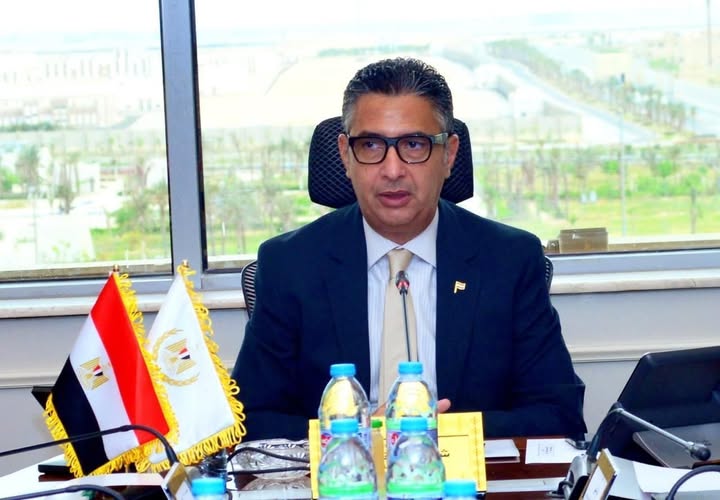
Dr. Sherif Farouk, the Minister of Supply and Internal Trade, held a meeting with Dmitry Sergeyev, the CEO of OZK and the head of the Russian Grain Exporters and Producers Union, to discuss ways to enhance cooperation between Egypt and Russia in the fields of food security and grain trade. This meeting was part of the minister's participation as a guest of honor at the Fifth Russian Grain Forum held in Sochi.
The meeting addressed mechanisms for establishing long-term contracts for Russian wheat supply, aiming to support the stability of Egyptian supply chains and enhance the strategic stock of essential commodities. The Minister of Supply emphasized that Russia is one of the most important suppliers of wheat to Egypt, noting that these discussions are part of the state's efforts to diversify supply sources and develop storage and transportation systems.
Details of the Meeting
The discussion included the possibility of establishing a regional logistics center for grain trade and storage within Egyptian ports, reflecting Egypt's strategic direction towards enhancing its storage and distribution capabilities. Both sides also explored opportunities for joint investment in silo projects and strategic storage centers, highlighting the importance of cooperation in this vital sector.
Furthermore, the meeting addressed collaboration in exchanging technical and technological expertise and developing a digitized grain trading system, benefiting from the Russian experience in managing this sector. The CEO of OZK expressed the Russian side's eagerness to strengthen cooperation with Egypt, affirming that the Egyptian market is the largest global importer of wheat and one of the most important markets for Russian exports in this sector.
Background & Context
Egypt is one of the largest wheat-importing countries in the world, heavily relying on imports to meet its food needs. In recent years, Egyptian-Russian relations in the grain sector have notably developed, as Egypt seeks to diversify its wheat supply sources and reduce reliance on a single supplier.
These efforts are part of a national strategy aimed at achieving food security and enhancing the strategic stock of essential commodities. Additionally, cooperation with Russia reflects the importance of bilateral relations between the two countries in various fields, including trade and investment.
Impact & Consequences
Enhancing cooperation in the grain sector is a significant step towards achieving food security in Egypt, especially amid global economic challenges. Establishing long-term contracts with Russia could contribute to price stability and ensure the availability of wheat in Egyptian markets.
Moreover, the establishment of new logistics centers and silos will help improve supply chain efficiency, positively impacting the prices of bread and essential goods in the local market. This cooperation may also open new investment opportunities in the agricultural and storage sectors, enhancing Egypt's ability to face future food crises.
Regional Significance
This collaboration between Egypt and Russia serves as a model for the Arab region, where many countries are seeking to strengthen their strategic partnerships in food security. Enhancing cooperation in the grain sector could contribute to greater food stability in the region, especially given the challenges some countries face in securing their food needs.
In conclusion, this meeting represents an important step towards strengthening economic relations between Egypt and Russia and reflects the Egyptian government's commitment to achieving food security and diversifying supply sources. These efforts are expected to enhance the stability of the Egyptian market and improve the living standards of citizens.