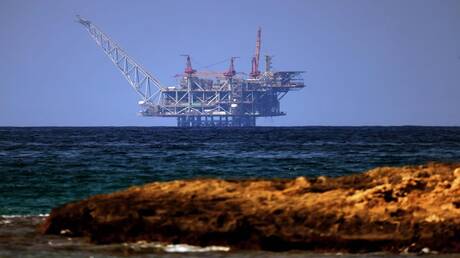
The Egyptian government is striving to enhance the country's energy supplies by contracting for the purchase of 15 shipments of liquefied natural gas. This initiative is part of the government's efforts to ensure market stability and meet the increasing energy demands, especially with the summer season approaching, which typically sees a surge in energy consumption.
Egypt faces growing challenges in the energy sector as the government seeks to balance supply and demand. Reports indicate that regional tensions could impact gas supplies, prompting the government to take proactive measures to ensure continuity of supply.
Details of the Initiative
In this context, government sources confirmed that the shipments will be imported from several countries, reflecting Egypt's diversified strategy in securing energy sources. This decision comes at a sensitive time, as the region is experiencing political tensions that could affect supply stability.
This step is part of a broader plan aimed at enhancing Egypt's capacity to meet its energy needs, particularly with the anticipated increase in gas consumption over the coming months. The government hopes that these shipments will contribute to greater stability in the local market.
Background & Context
Historically, Egypt has relied heavily on natural gas to meet its energy needs. With rising domestic demand, the necessity to import gas has become critical. Several years ago, the government began implementing new strategies aimed at improving energy efficiency and boosting local production.
Egypt is considered one of the leading natural gas producers in the region; however, economic and political challenges have affected its ability to meet local demand. Therefore, importing gas has become a strategic option to ensure market stability.
Impact & Consequences
This initiative could improve Egypt's economic situation by ensuring stable energy supplies. Additionally, importing gas may help reduce reliance on traditional energy sources, thereby supporting the government's efforts toward a transition to clean energy.
Despite the potential benefits, there are concerns that regional tensions could impact gas prices, which may increase pressure on the Egyptian economy. Thus, the government needs to closely monitor the situation and take necessary actions to address any fluctuations.
Regional Significance
Egypt is an important regional energy hub, and any changes in its policy may affect neighboring countries. Importing gas could enhance Egypt's ability to play a larger role in securing energy supplies for the region, contributing to regional stability.
This move may also open doors for new cooperation opportunities between Egypt and other countries in the energy sector, strengthening economic and political relations in the region.
In light of the increasing challenges, the Egyptian government's decision to import liquefied natural gas represents a strategic step aimed at ensuring local market stability and meeting citizens' needs. The government must carefully monitor regional developments to ensure the success of this initiative.