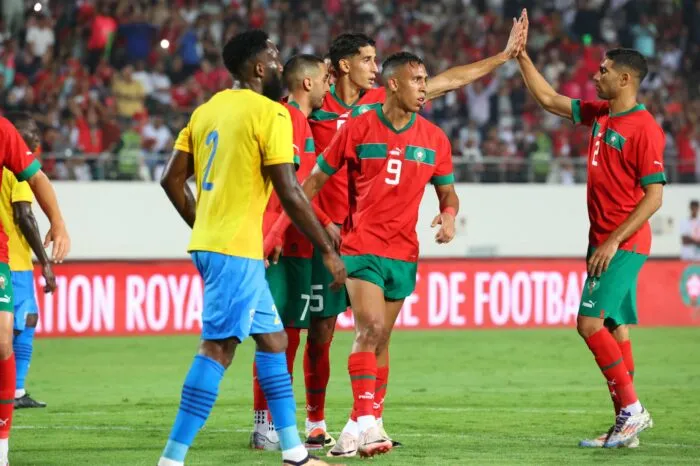
The Confederation of African Football (CAF) has announced the appointment of an Egyptian referee to officiate an important match between the national teams of Morocco and Libya in the U-17 Africa Cup of Nations qualifiers. This match represents a significant opportunity for the Egyptian referee to showcase his skills in managing games at the continental level.
This decision comes at a time when Arab refereeing is experiencing notable development, as many Arab referees strive to prove their competence in international competitions. The chosen Egyptian referee has extensive experience in officiating both local and international matches, making him fully qualified for this task.
Details of the Match
The match will take place within the framework of the U-17 Africa Cup of Nations qualifiers, a tournament that brings together the best teams from various African countries. Both teams are eager to secure a victory to ensure their advancement to the next stage of the tournament. The Egyptian referee will face significant challenges, as the match requires a high level of precision in decision-making.
This match serves as an opportunity for the Egyptian referee to demonstrate his abilities in officiating under considerable pressure, especially since the audience expects outstanding performance. Additionally, this match could be a launching pad for another referee in his professional career.
Background & Context
The history of Arab refereeing in African tournaments spans many years, with numerous Arab referees leaving their mark in these competitions. Good officiating is an essential part of any tournament's success, as teams rely on it to achieve their goals.
Football associations in Arab countries are working to enhance the level of refereeing by organizing training courses and workshops for referees. These efforts aim to improve refereeing performance and increase confidence in Arab referees on the international stage.
Impact & Consequences
The management of this match by the Egyptian referee could positively impact his professional career, potentially opening new doors for him in the world of officiating. Furthermore, his success in officiating this match may enhance the reputation of Arab refereeing in African tournaments.
If the referee successfully manages the match, it could lead to increased opportunities for Arab referees to officiate more matches in international competitions. This scenario represents a strong boost for Arab officiating in the future.
Regional Significance
The appointment of an Egyptian referee to officiate a match between two Arab teams reflects the importance of Arab refereeing in strengthening ties between Arab nations. This step may also encourage more Arab referees to pursue success in their fields.
In conclusion, the Egyptian referee's management of this match represents a positive step towards enhancing the role of Arab referees on the international stage, contributing to the advancement of football in the region.