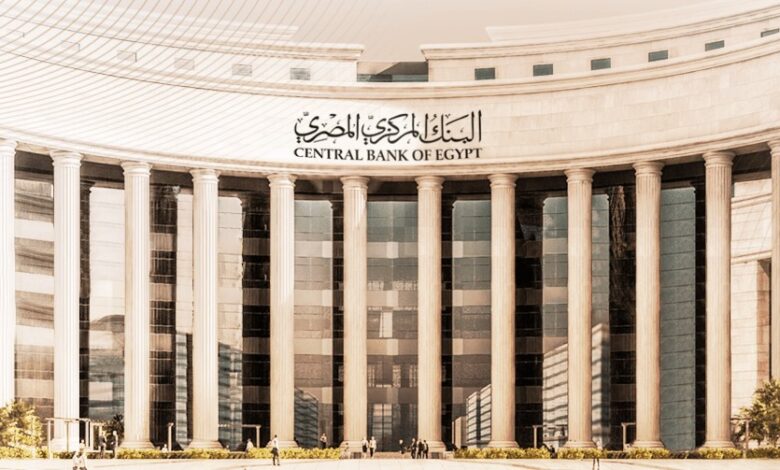
The International Monetary Fund announced that the Central Bank of Egypt has tasked two international firms with evaluating the country's largest state banks. This decision is part of the Egyptian government's efforts to enhance transparency and improve the financial performance of banks.
This evaluation aims to provide a comprehensive overview of the financial and operational status of these banks, which will assist in making strategic decisions to enhance performance and increase efficiency. This move reflects the Egyptian government's commitment to reforming the banking sector and boosting confidence in the financial system.
Details of the Evaluation
The two internationally recognized consulting firms have been commissioned to evaluate the National Bank of Egypt and Bank Misr, which are the largest state banks in the country. The evaluation includes a comprehensive study of the banks' performance, including risk analysis, profitability, and asset quality. This step is expected to contribute to improving operational strategies within the banks and enhancing their competitiveness in the market.
This initiative comes at a sensitive time for the Egyptian economy, which faces multiple challenges, including inflation and rising interest rates. Therefore, improving the performance of state banks is a vital step to support the national economy.
Background & Context
Historically, the Egyptian banking sector has faced numerous challenges, including weak internal controls and high default rates. In recent years, the Egyptian government has begun implementing a series of economic reforms, including improving the business environment and enhancing transparency in the financial sector.
State banks are a crucial part of the Egyptian financial system, playing a vital role in financing major projects and supporting the national economy. Thus, evaluating their performance is a necessary step to ensure their sustainability and ability to face future challenges.
Impact & Consequences
The evaluation of the two banks is expected to have positive effects on the banking sector as a whole. If the results show an improvement in performance, this could lead to increased confidence in the Egyptian banking system and attract more foreign investments.
Moreover, this evaluation could contribute to improving the quality of banking services provided to customers, enhancing user experience and increasing customer satisfaction. Additionally, improving the financial performance of state banks may contribute to the overall stability of the Egyptian economy.
Regional Significance
This step is significant not only for Egypt but for the Arab region as a whole. It reflects the efforts made to improve financial performance and transparency in the banking sector, which serves as a model for other countries in the region facing similar challenges.
In light of the economic crises faced by many Arab countries, enhancing transparency and efficiency in the banking sector could have positive effects on economic stability in the region.
In conclusion, the Central Bank of Egypt's decision to engage two international firms to evaluate the largest state banks represents a strategic step towards enhancing transparency and improving financial performance. This initiative is expected to support the Egyptian economy and boost confidence in the banking system, potentially having positive implications for the Arab region as a whole.