In reaction to increasing criticism regarding the loans from the Egyptian Ministry of Transport, Minister Kamel El-Wazir confirmed that these loans represent only 13% of the country’s total external debt. The minister explained that these loans are utilized for vital projects aimed at improving and developing Egypt's transport infrastructure.
The minister pointed out that the loans obtained by the Ministry of Transport are considered essential to support various transport projects, including railways, roads, and bridges. He affirmed that these projects will significantly contribute to enhancing the Egyptian economy and creating job opportunities.
Details of the Event
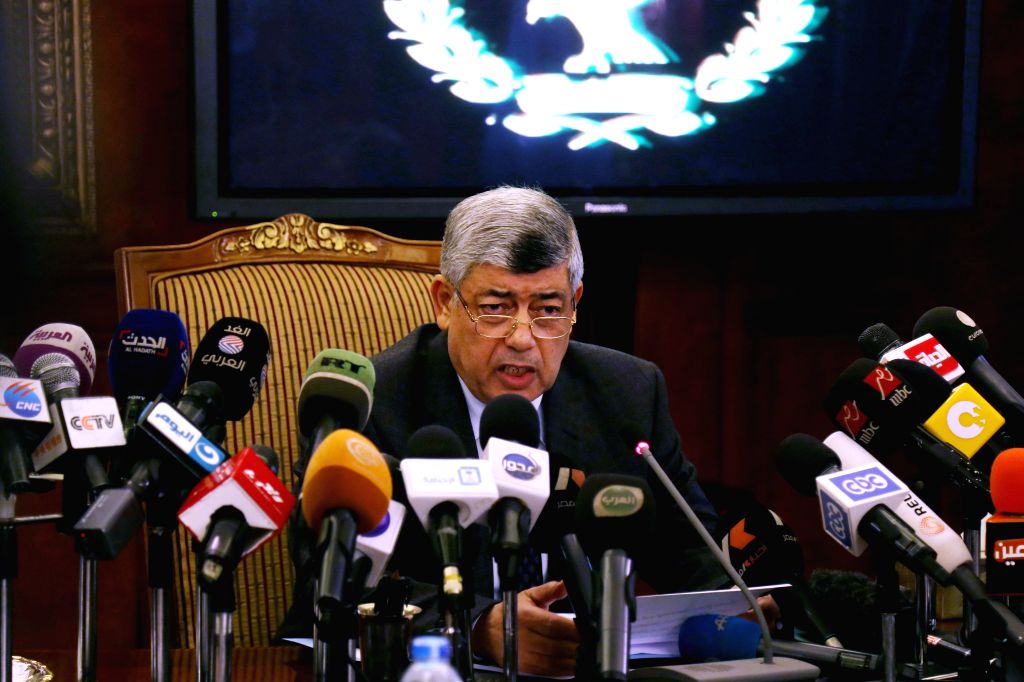
The minister's statements came during a press conference held in Cairo, where he addressed the financial situation of the ministry and the importance of loans in achieving sustainable development goals. He noted that the loans are not a burden on the economy but rather an investment in the country’s future.
He also clarified that the ministry is working on implementing ambitious plans to improve the transport network, including updating railways and developing highways, which will facilitate transport movement and reduce accidents.
Background & Context
The Egyptian government faces significant economic challenges, as officials strive to achieve sustainable economic growth amid changing global conditions. In recent years, there has been an increase in the size of external debt, raising concerns about the country’s ability to repay these debts.
In this context, the loans from the Ministry of Transport are part of a broader strategy aimed at improving infrastructure and boosting economic growth. Several major projects in this field have been announced, reflecting the government’s commitment to developing the transport sector.
Impact & Consequences
The loans from the Ministry of Transport are considered a strategic step aimed at improving public services and bolstering the economy. However, there are concerns that increasing external debt may affect the country’s financial stability in the future.
Experts assert that improving transport infrastructure can contribute to attracting foreign investments, enhancing Egypt’s ability to achieve sustainable development. However, the government must be cautious in managing debts and directing them toward projects that yield tangible economic returns.
Regional Significance
Egypt's experience in managing loans from the Ministry of Transport serves as a model for other countries in the Arab region, which face similar challenges in improving their infrastructure. This experience can provide valuable lessons for other nations seeking to achieve sustainable development.
Moreover, enhancing transport infrastructure in Egypt could have a positive impact on regional trade, strengthening economic ties between Arab countries.
In conclusion, the greatest challenge facing the Egyptian government remains achieving a balance between the need to develop infrastructure and mitigating the risks of external debt. This requires effective strategies and prudent management of financial resources to achieve the desired developmental goals.