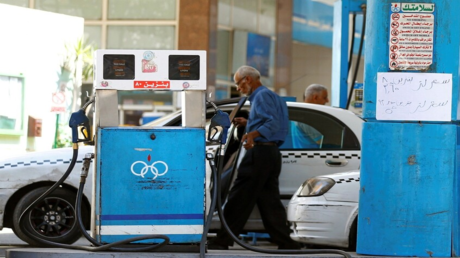
The Egyptian Ministry of Petroleum has reported that it is keeping an eye on circulating rumors about a possible fuel price hike starting tomorrow. This potential increase would mark the second within less than a month, raising concerns among citizens amid the current economic conditions.
These statements come at a sensitive time, as the Egyptian government recently announced an increase in wages for public sector employees, prompting questions about how this wage increase will impact fuel prices and other goods.
Details of the Situation
In an official statement, the Ministry of Petroleum confirmed that no decision has been made regarding a fuel price increase, noting that any changes will be announced officially through authorized channels. However, the rumors about the increase have intensified, leading to widespread anxiety among the populace.
It is noteworthy that fuel prices in Egypt have seen repeated increases in recent years, significantly affecting the overall cost of living. The last price increase occurred less than a month ago, making these rumors even more contentious.
Background & Context
Historically, Egypt has experienced several waves of fuel price increases, particularly following the implementation of an economic reform program that began in 2016. This program, supported by the International Monetary Fund, included reducing government subsidies on fuel, leading to repeated price hikes.
In light of these circumstances, the government has been striving to balance improving economic conditions while meeting the needs of citizens. With the recent wage increases, the question arises as to how this will affect fuel prices and essential goods.
Impact & Consequences
If a new fuel price increase is announced, it is expected to significantly impact the cost of living. Typically, rising fuel prices lead to increased transportation and goods costs, thereby intensifying pressure on Egyptian households.
This increase may also affect both local and foreign investments in the country, as investors might hesitate to enter a market experiencing price volatility. Consequently, the government faces a significant challenge in managing these conditions.
Regional Significance
Fuel prices are a sensitive issue in many Arab countries, as they are directly linked to the local economy. In countries like Lebanon and Iraq, fuel price increases have led to widespread public protests.
Therefore, any increase in fuel prices in Egypt could have repercussions on neighboring countries, potentially affecting the prices of goods and services in the region as a whole.
In conclusion, the question remains whether the Egyptian government will take steps to raise fuel prices again and what the potential consequences of such a move will be for citizens and the economy as a whole.