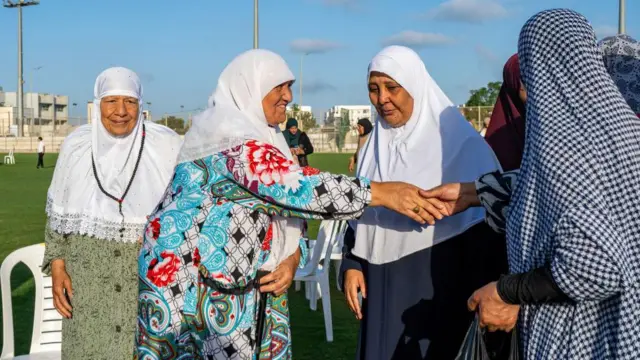
Eid al-Adha rituals have evolved over time, prompting questions about the persistence of some traditional practices while others fade away. Amid social and economic changes, many observe that the essence of the holiday is no longer what it used to be, leading to a nostalgia for the "Eid of the past."
The ways of celebrating Eid al-Adha are diverse, as families used to gather during previous holidays to enjoy traditional dishes, exchange greetings, and visit relatives. However, with the fast pace of life and changing lifestyles, these customs have begun to wane, giving rise to a new generation that may not know much about those traditions.
Event Details
Eid al-Adha is considered one of the most important holidays in the Islamic world, celebrated by Muslims on the tenth day of the month of Dhu al-Hijjah. The holiday includes religious rituals such as the Eid prayer and the sacrifice of animals, reflecting values of sacrifice and giving. However, celebrations vary from country to country, adding cultural diversity to this holiday.
In recent years, some customs associated with the holiday have undergone noticeable changes. Family gatherings have become less common, as many prefer to spend the holiday traveling or busy with work. Additionally, modern technology has influenced the way individuals interact, with greetings now being sent via social media instead of through traditional visits.
Background & Context
Historically, Eid al-Adha represented an opportunity to renew family and social bonds. In traditional communities, the preparation of sacrifices and special holiday foods was done collectively, enhancing the sense of belonging and connection. However, the economic and social changes witnessed in Arab societies over the past decades have led to a decline in these practices.
The customs associated with the holiday have also been affected by cultural transformations, as young people have become more open to other cultures, impacting their understanding of the holiday and its practices. This openness can have a positive effect at times, but it may also lead to a loss of original cultural identity.
Impact & Consequences
The effects of these changes extend beyond the holiday itself, as shifts in celebration rituals reflect broader changes in society. These changes may lead to weakened family and social ties, affecting the cohesion of the community as a whole. Additionally, the loss of traditional customs may result in a sense of alienation among new generations.
Despite these challenges, there are ongoing efforts to revive old customs and promote the values of the holiday. Many individuals and communities encourage a return to roots by organizing cultural and educational events that enhance the understanding of new generations about their history and heritage.
Regional Significance
In the Arab region, Eid al-Adha is seen as an opportunity to renew bonds between individuals and communities. However, the social and economic changes faced by some countries may affect how people celebrate the holiday. At times, difficult economic conditions may hinder families from fully practicing holiday traditions.
Nevertheless, the spirit of the holiday remains alive in the hearts of many, as individuals strive to find new ways to celebrate that reflect values of giving and sacrifice. These changes can be an opportunity to rethink how to celebrate the holiday in ways that align with modern times.
In conclusion, Eid al-Adha remains a symbol of joy and connection, but it requires collective effort to preserve its traditions amid ongoing changes. Returning to roots and promoting cultural values can contribute to reviving the essence of the holiday that many long for.