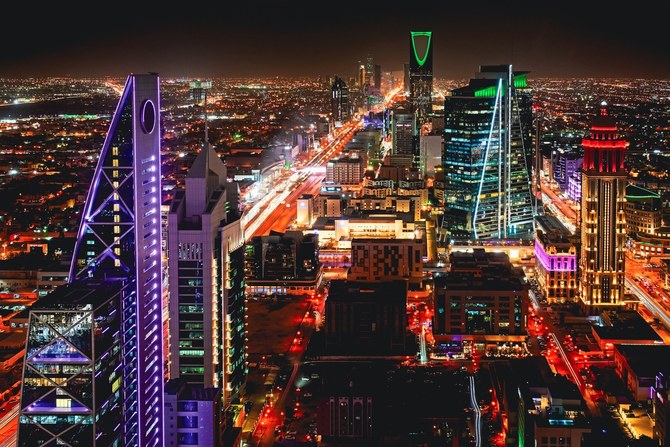
Eight Saudi cities have topped the IMD Smart Cities Index for 2026, showcasing their significant progress in digital urban transformation. This achievement reflects the Kingdom's commitment to enhancing innovation and technology in urban environments, aligning with Saudi Vision 2030, which aims to develop digital infrastructure and improve quality of life.
Data shows that Saudi cities have made substantial advancements in several areas, including the use of technology to improve public services, promote sustainability, and facilitate daily life for citizens. The cities that achieved this milestone include Riyadh, Jeddah, Dhahran, and Khobar, along with other cities such as Makkah and Medina.
Event Details
The IMD Smart Cities Index is a global assessment tool that measures the performance of cities across various domains, such as economy, mobility, environment, and innovation. The results have shown that Saudi cities have managed to secure advanced positions in these areas, reflecting the government's efforts to improve quality of life and foster innovation.
These results serve as a testament to the success of strategies implemented in recent years, aimed at transforming Saudi cities into smart urban centers relying on modern technology. Furthermore, these achievements enhance the Kingdom's status on the global stage as a hub for innovation and technology.
Background & Context
These results come amid a global trend towards digital transformation, where many countries are striving to enhance their digital infrastructure. The Kingdom of Saudi Arabia is no exception, having set ambitious goals through Vision 2030 to improve quality of life by leveraging technology across various sectors.
Historically, Saudi cities have faced significant challenges in areas such as transportation, housing, and public services. However, substantial investments in technology and infrastructure have contributed to notable improvements in these aspects, leading to positive outcomes in global performance indicators.
Impact & Consequences
The advanced rankings of these cities in the IMD Index reflect the impact of digital transformation on urban development. This progress is expected to attract more foreign and local investments, contributing to the strengthening of the national economy.
Moreover, these achievements may inspire other countries in the region to adopt similar strategies, enhancing regional cooperation in technology and innovation. Digital transformation extends beyond improving services; it also promotes sustainability and environmental protection.
Regional Significance
These results serve as a model for other Arab countries, as they can contribute to enhancing innovation and improving quality of life. The success of Saudi cities in this field may encourage other nations to invest in technology and develop smart urban strategies.
In light of the economic and social challenges faced by many Arab countries, digital transformation could be an effective solution to improve living conditions and promote sustainable development.
In conclusion, the leadership of Saudi cities in the IMD Smart Cities Index for 2026 represents a significant step towards achieving the goals of Vision 2030, reflecting the Kingdom's commitment to enhancing innovation and technology in daily life.