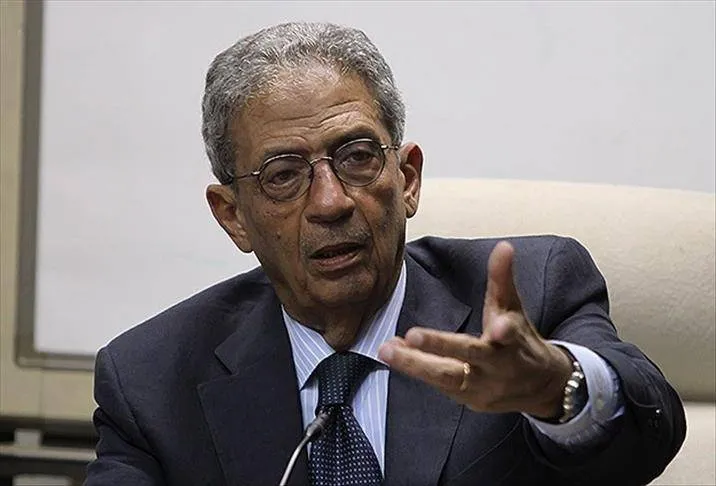
Since its establishment in 1945, eight secretaries have led the Arab League, with all but one being Egyptian. This leadership change reflects the political challenges and developments that have shaped the Arab region over the years.
The first Secretary-General of the League was Amr Moussa, who assumed the position during a critical period in Arab history. Born on March 8, 1893, in Giza, he studied medicine at St. Thomas's Hospital Medical School in London. He was known for his participation in the Balkan Wars and the struggle against Italian colonialism in Libya and British colonialism in Egypt. He passed away on June 2, 1976.
Details of the Leadership Transition
Following him, Abdul Rahman Azzam took over the Secretary-General position, born in Cairo in 1898. He graduated from the Faculty of Law at Cairo University and was appointed as the governor of Alexandria and Minister of Foreign Affairs. He assumed the Secretary-General role in September 1952 and died in 1992.
Next was Mahmoud Riad, born on January 8, 1917, who graduated from the Military Academy. He held several positions, including Minister of Foreign Affairs, and was elected Secretary-General of the League in June 1972, resigning in March 1979. He died in 1992.
Then Chadli Klibi took over as Secretary-General; he was Tunisian, born on September 6, 1925. He obtained a degree in Arabic language and literature from the University of Paris and was appointed Secretary-General in 1979.
In 1991, Ismat Abdel Meguid became Secretary-General after the League's headquarters returned to Cairo. Born in Alexandria in 1923, he earned a PhD in international law.
He was followed by Ahmed Aboul Gheit, born on October 3, 1936, who graduated from the Faculty of Law. He took over the Secretary-General position in 1991 after returning from various diplomatic roles.
Then came Nabil El Araby, born on March 15, 1935, who assumed the Secretary-General role in 2011. He passed away in 2024.
Finally, Ahmed Aboul Gheit returned to the Secretary-General position, born on June 12, 1942, and graduated from the Faculty of Commerce. He held several diplomatic positions before becoming Secretary-General of the League.
Background & Context
The Arab League was established in 1945 in response to the political and social challenges faced by Arab countries post-colonization. The League aimed to enhance cooperation among Arab states and coordinate policies across various fields, including politics, economics, and culture.
Over the past decades, the League has faced numerous challenges, including internal and external conflicts, which have affected its effective role in the region. Nevertheless, its role remains pivotal in promoting Arab unity.
Impact & Consequences
The succession of different secretaries reflects the political and social changes in the Arab world. For instance, the suspension of Egypt's membership in the League following the peace agreement with Israel marked a turning point in the League's history, as the Secretary-General's office moved to Tunisia.
The Secretary-General's office has always been linked to political transformations in member states, reflecting the impact of regional and international events on Arab politics.
Regional Significance
The Arab League is considered a fundamental platform for cooperation among Arab states, and its decisions influence the domestic and foreign policies of member countries. The presence of secretaries from diverse backgrounds reflects the cultural and political diversity within the Arab world.
In conclusion, the Arab League remains a symbol of Arab cooperation, despite the challenges it faces. The history of the secretaries who have led it reflects a long journey of joint Arab action.