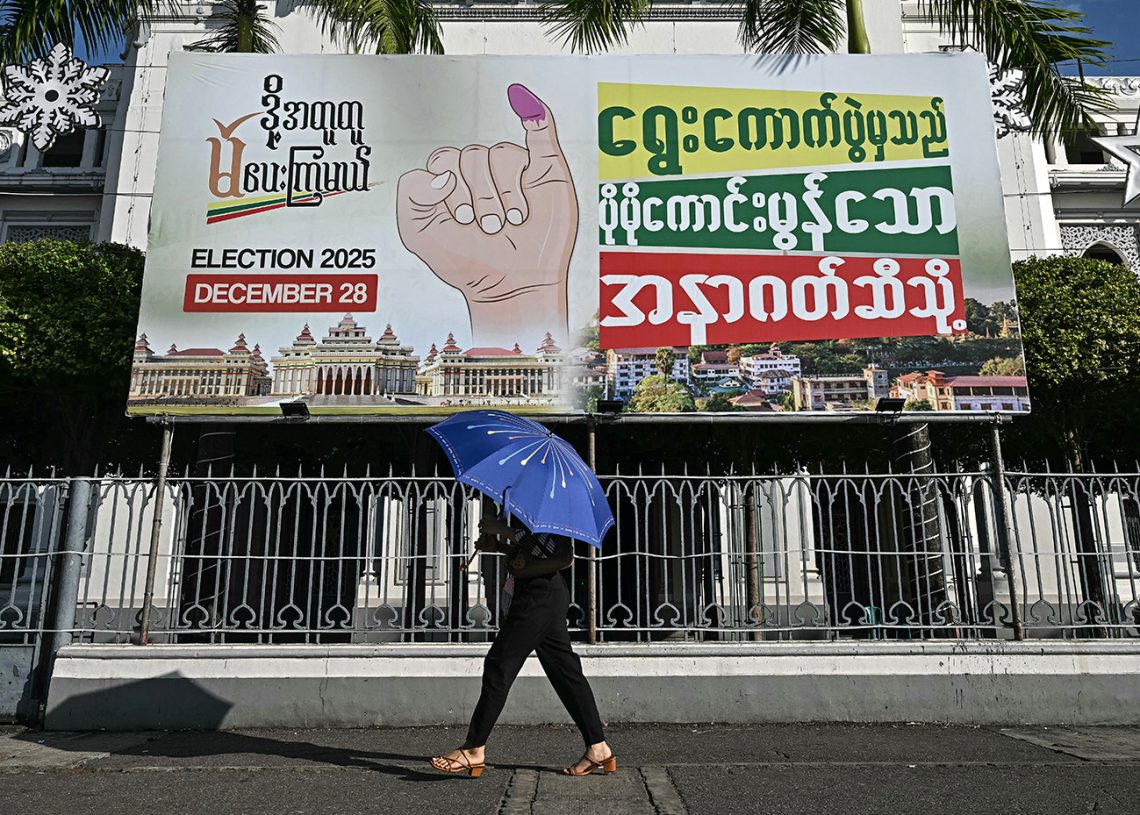
On April 3, 2023, Myanmar's parliament elected General Min Aung Hlaing as the new president, reflecting the military's ongoing grip on power. Hlaing, who previously served as the army chief, received 429 votes out of 586 in parliament, including votes from unelected military representatives. This election is part of a transitional process from military rule to a quasi-civilian government, yet it raises questions about the seriousness of this step under the current circumstances.
This election follows the military coup that occurred in February 2021, which ousted the civilian government led by Aung San Suu Kyi. Since then, many government officials, including Suu Kyi, have been arrested, and the situation in the country remains extremely tense, with ongoing clashes between government forces and armed opposition groups.
Details of the Election
General Min Aung Hlaing, aged 69, resigned from his position as the commander-in-chief of the armed forces just days before being elected president. His close aide, Nyo Saw, was chosen as vice president, while Nan Ni Ni Aye, a parliament member from Kayin State, secured the position of second vice president. These appointments reflect the military's dominance over the new government, as members of the Union Solidarity and Development Party (USDP), backed by the military, control the vast majority of parliamentary seats.
It is noteworthy that the elections held in December and January were heavily criticized by the opposition and Western nations, being deemed a political circus amid the ongoing civil war in the country.
Background & Context
Historically, Myanmar has been under military control since 1962, with the exception of a brief period of civilian rule between 2016 and 2021, when Aung San Suu Kyi was in power. However, the military coup on February 1, 2021, plunged the country back into a cycle of violence and instability. This coup has escalated conflict between government forces and armed groups, resulting in thousands of deaths and millions displaced.
It is important to mention that Myanmar's 2008 constitution, drafted by the military, prohibits civilian officials, including military leaders, from running for the presidency, raising questions about the legitimacy of the current elections.
Impact & Consequences
The re-election of Min Aung Hlaing as president serves as a confirmation of the military's continued control over governance in Myanmar, complicating efforts for peace and stability in the country. This development may exacerbate the humanitarian situation, as the ongoing armed conflict continues to impact civilian lives.
Moreover, the persistence of military rule could negatively affect Myanmar's international relations, as the country faces widespread criticism from the international community, potentially leading to new sanctions or increased political pressure on the military government.
Regional Significance
Considering the situation in Myanmar, the continuation of military rule may have repercussions for security and stability across the region. The humanitarian and political crises in Myanmar could affect neighboring countries, especially with large numbers of refugees potentially seeking safety in those nations.
Additionally, the situation in Myanmar highlights the importance of supporting democracy and human rights worldwide, which is a part of the interests of Arab nations in promoting stability and security in the region.
In conclusion, the situation in Myanmar remains complex, with the hopes of the people for a return to civilian rule appearing distant amid the ongoing military dominance in the country.