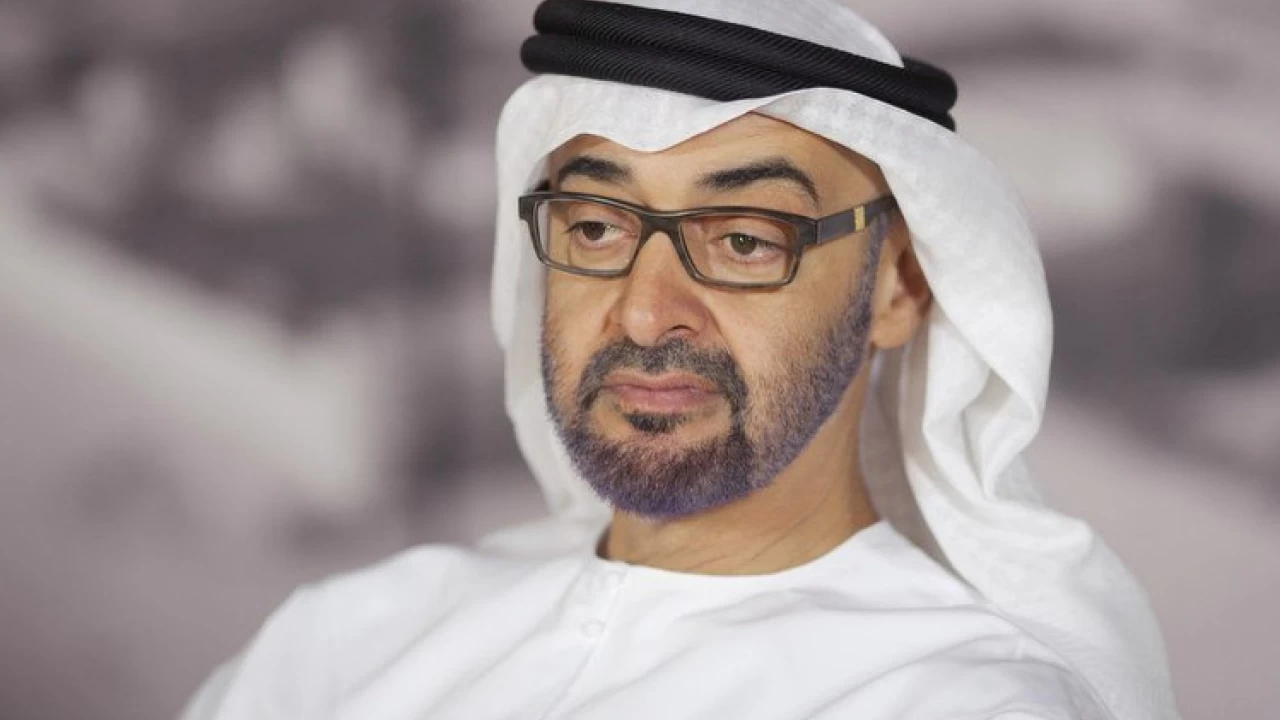
The Supreme Council of the Union has elected Mohammed bin Zayed Al Nahyan as the President of the United Arab Emirates, in a move that reflects the continuity of wise leadership that the country has witnessed over the decades. This decision came during a council meeting held in Abu Dhabi, where the importance of enhancing national unity and developing policies that support the country's progress was emphasized.
Mohammed bin Zayed, who has served as the Crown Prince of Abu Dhabi, has played a prominent role in enhancing the UAE's position on the international stage, contributing to numerous developmental and economic initiatives that have made the UAE one of the leading countries in the region.
Details of the Event
During the meeting, the achievements of Mohammed bin Zayed in various fields, including economy, education, and health, were praised. Council members highlighted the importance of continuing to implement ambitious visions aimed at achieving sustainable development. They also stressed the necessity of enhancing cooperation between the UAE and countries around the world, contributing to regional security and stability.
It is noteworthy that Mohammed bin Zayed assumed leadership of the country following the death of Sheikh Khalifa bin Zayed Al Nahyan, reflecting the continuity of the leadership approach followed by the late leader in enhancing the UAE's stature.
Background & Context
The United Arab Emirates was established in 1971, and since then, the country has witnessed remarkable development in various fields. Wise leadership has played a pivotal role in achieving this development, with a focus on building strong infrastructure and enhancing education and innovation. Mohammed bin Zayed, regarded as one of the prominent leaders in the region, has significantly contributed to strengthening the UAE's international relations, making it a commercial and cultural hub.
In recent years, the UAE has faced several challenges, including global economic crises and climate change. However, the country has managed to overcome these challenges thanks to the wise policies adopted by its leadership.
Impact & Consequences
The election of Mohammed bin Zayed as President of the UAE is considered an important step towards enhancing political and economic stability. The UAE is expected to continue achieving growth and development under his leadership, focusing on developing vital sectors such as technology and renewable energy.
This move may also enhance the UAE's position as a key supporter of peace and stability in the region, contributing to strengthening relations with other countries. This election serves as a strong message to the world that the UAE is continuing on its path towards progress and prosperity.
Regional Significance
The election of Mohammed bin Zayed as President of the UAE is viewed as a positive step reflecting stability in a region facing numerous challenges. This election may contribute to enhancing Arab cooperation and strengthening ties between Gulf countries, thereby promoting security and stability in the region.
Furthermore, the UAE, under the leadership of Mohammed bin Zayed, may play a larger role in supporting Arab issues, including the Palestinian cause, and enhancing development in other Arab countries.
In conclusion, the election of Mohammed bin Zayed as President of the UAE marks a new phase in the country's history, as everyone looks forward to witnessing more achievements under his wise leadership.