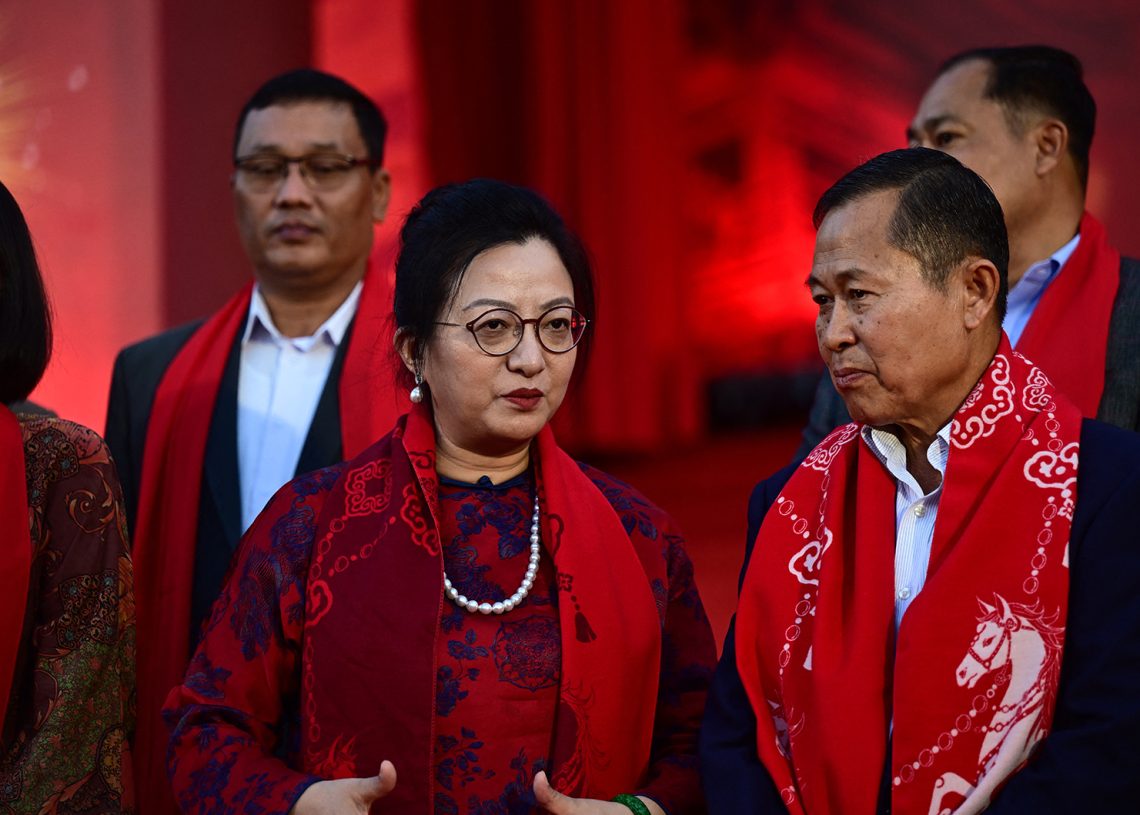
In a controversial move, Myanmar's parliament elected army chief Min Aung Hlaing as vice president on Tuesday, positioning him on a potential path to assume the presidency. This election comes after the coup led by Hlaing in 2021, which ousted the democratically elected government of Aung San Suu Kyi, resulting in a civil war in the country.
During the voting in the House of Representatives, Hlaing received 247 out of 260 votes, reflecting significant support from pro-military lawmakers. The Speaker of the House, Khin Yi, confirmed the election results after the voting concluded.
Details of the Election
The voting process took place in a charged atmosphere, with lawmakers lining up at designated tables to cast their votes. Hla Su, a representative from the pro-military Solidarity and Development Party, stated that the party chose Hlaing because he is considered a qualified figure to lead the country and achieve tangible development.
In addition to Hlaing, Nann Nyi Nyi Aye, a deputy from Karen State, was elected as another vice president, while the current Prime Minister New Su was chosen as the third vice president. A vote for the new president is expected to take place in parliament later this week.
Background & Context
Historically, the military has ruled Myanmar for extended periods since its independence, and the country experienced limited democratic governance starting in 2011. During this period, Aung San Suu Kyi led the country towards reforms, but after her overwhelming victory in the 2020 elections, the military grew concerned about its waning influence, leading to a restoration of power through a coup.
Over the past five years, the country has seen strict rule under Hlaing, who oversaw restricted elections last January, resulting in a sweeping victory for pro-military parties. However, the country continues to suffer from ongoing internal conflicts, as armed groups resist military rule.
Impact & Consequences
This move is seen as a confirmation of the military's control over the government, with democracy observers warning that the new government will merely serve as a facade for the military. Hlaing's election as vice president reflects the continued military dominance over the political landscape in the country, which could exacerbate humanitarian and political conditions.
Hlaing is expected to manage a calculated transition towards the presidency, especially after handing over military leadership to one of his loyalists. This step may lead to increased tensions with the international community, which condemns the military coup and calls for a return to democracy.
Regional Significance
The events in Myanmar hold particular significance for the Arab region, as they reflect the challenges faced by countries in their pursuit of democracy and stability. The ongoing military rule in Myanmar raises questions about the ability of peoples to achieve their democratic aspirations, which may influence popular movements in Arab nations.
In conclusion, the election of Min Aung Hlaing as vice president in Myanmar marks a pivotal moment in the country's history, highlighting the ongoing tensions between military rule and the people's desire for democracy.