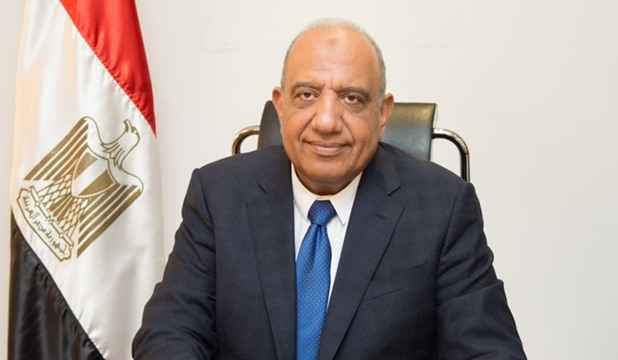
The Minister of Electricity and Renewable Energy, Dr. Mohamed Shaker, announced a notable increase in electricity loads in Egypt, which reached approximately 36,000 megawatts. This was revealed during the minister's tour of the National Control Center for Energy, where he monitored the workflow and coordination among the components of the electricity system across the country.
The minister emphasized the importance of ensuring the stability of the unified grid and the continuity of electricity supply, especially given the increased loads during the holiday period. He expressed satisfaction with the efficiency of the electricity network and various operational plans, noting the review of emergency scenarios and operational alternatives to ensure grid stability.
Event Details
During the visit, Dr. Shaker stressed the necessity of integration among the production, transmission, and distribution sectors, highlighting the importance of increasing reliance on renewable energy sources and energy storage batteries. These steps are part of the state's plan to reduce fossil fuel consumption and maximize the benefits of clean energies.
The minister also praised the efforts of the workers and experts in controlling the unified grid, emphasizing the importance of teamwork and continuous coordination among control centers and various components of the electricity system. This collaboration contributes to reducing fuel consumption and ensuring stable electricity supply.
Background & Context
Egypt is one of the countries striving to improve the efficiency of its electricity network, especially with the rising demand for energy during occasions and holidays. In recent years, significant investments have been made in the renewable energy sector, which has enhanced the network's capacity to cope with increased loads.
This surge in electricity loads comes at a time when the country is witnessing a noticeable improvement in energy infrastructure, with new projects in solar and wind energy being implemented, contributing to achieving energy sustainability.
Impact & Consequences
This increase in electricity loads is expected to enhance the network's capacity to meet the needs of citizens, especially during peak periods. Moreover, improving the efficiency of the electricity network positively impacts the national economy by reducing energy losses.
These steps are part of the state's strategy to develop the energy sector, enhancing Egypt's ability to achieve energy self-sufficiency and reduce reliance on fossil fuels.
Regional Significance
Many Arab countries are seeking to enhance their capabilities in renewable energy, with Egypt serving as a model in this field. Egypt's success in achieving stability in its electricity network can motivate other Arab nations to adopt similar strategies.
Furthermore, cooperation among Arab countries in the energy sector can contribute to achieving economic integration and enhancing energy security in the region.
At the end of the visit, the Minister of Electricity confirmed that the national control system represents the main element in maintaining the stability of the unified grid, especially during peak periods and holidays, pointing to the importance of developing operational and automated control systems to improve performance and enhance the quality of service provided to citizens.