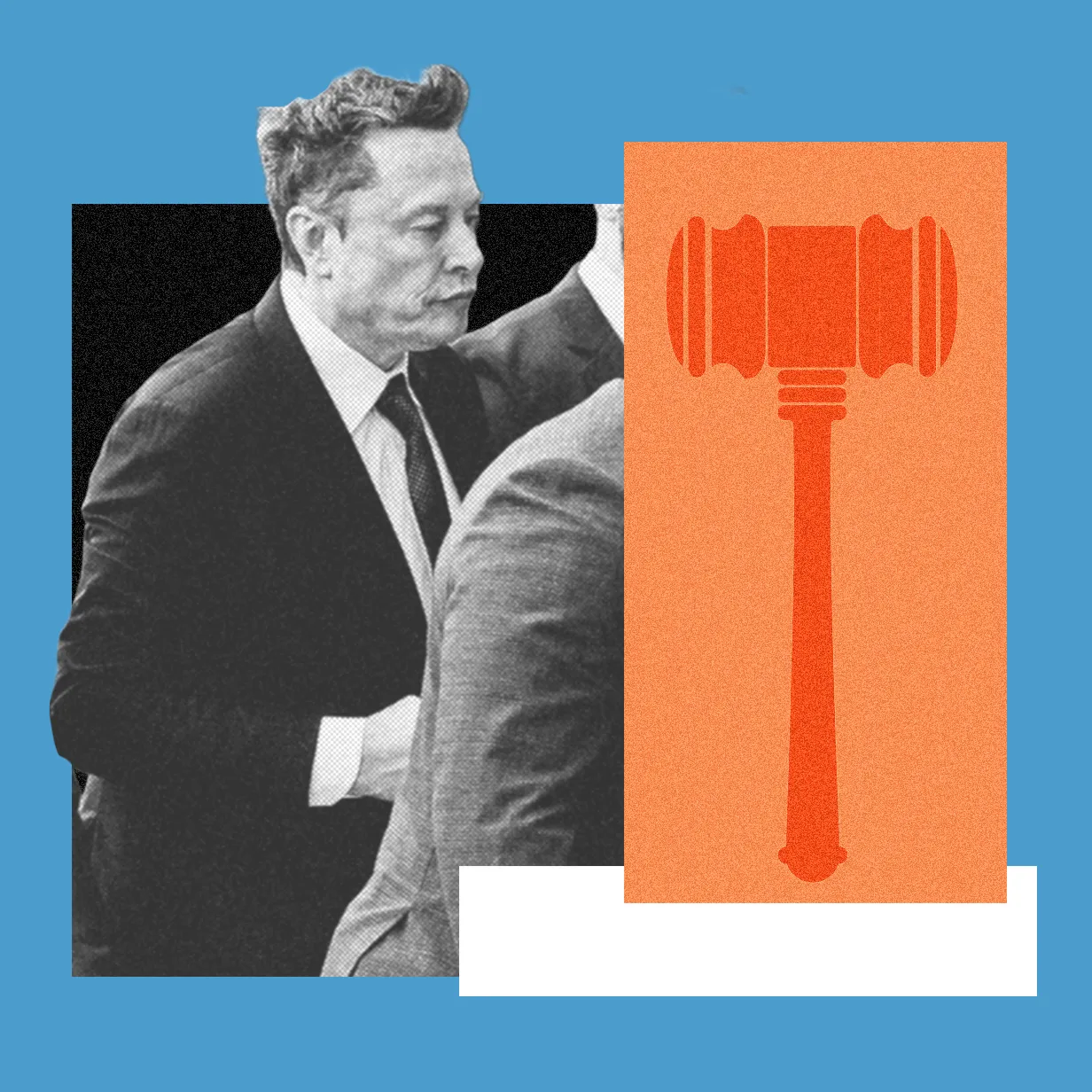
Elon Musk and Sam Altman faced off in a federal court in the United States regarding a case that concerns the development of OpenAI and its implications for the future of artificial intelligence. The lawsuit filed by Musk against Altman could result in changes to the company's management, potentially affecting its plans for a public offering.
During his testimony, Musk aimed to present his case as extending beyond OpenAI, warning that Altman's support could lead to "licensing the looting of every charity in America." He also indicated that this could shake the "entire foundation of charitable donations," reflecting his deep concerns about the future of artificial intelligence.
Details of the Court Proceedings
The court proceedings began with an exchange of accusations between the parties, where Musk's attorney pointed out that Musk's concerns about artificial intelligence date back many years, as he sought to encourage governments to implement regulations governing this field. He clarified that Musk had met with former President Barack Obama in 2015 to discuss these concerns.
At the same time, the attorney noted that Musk and Altman launched OpenAI as a nonprofit organization to counter Google's advancements in artificial intelligence development. Musk affirmed that OpenAI was created in response to what he perceived as "bias against humanity" from Google founder Larry Page.
Background & Context
OpenAI was founded in 2015 as a nonprofit organization, with the goal of developing artificial intelligence safely. As fears grew that artificial intelligence systems might surpass human intelligence, Musk began advocating for stringent regulations to ensure the safety of this technology.
Over time, OpenAI began to achieve notable successes, prompting Musk and Altman to consider establishing a for-profit arm to attract necessary investments. However, Musk objected to the extent of progress on this plan, especially following Microsoft's $10 billion investment in OpenAI.
Impact & Consequences
This case is significant not only for the future of OpenAI but also for the future of artificial intelligence in general. If OpenAI's management changes, it could influence how artificial intelligence is developed and utilized in the future. The case also raises questions about the ethics associated with investing in modern technology.
Concerns are mounting that artificial intelligence could lead to catastrophic outcomes, as Musk pointed out during his testimony. This discussion may contribute to shaping public policies related to artificial intelligence in the future.
Regional Significance
Issues surrounding artificial intelligence are particularly important for Arab countries, as many of these nations seek to develop AI technologies to boost their economies. If concerns about the safety of artificial intelligence persist, these issues could affect how Arab nations invest in this technology.
In light of the rapid changes in this field, it is crucial for Arab countries to stay informed about global developments and adopt effective strategies to ensure the safe and effective use of artificial intelligence.