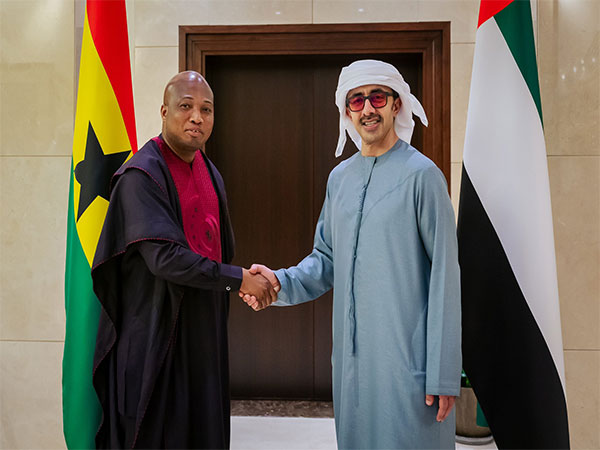
Emirati Foreign Minister Sheikh Abdullah bin Zayed Al Nahyan has criticized the Arab League, pointing out its ineffectiveness in addressing pressing Arab issues. In press statements, he confirmed that his country will actively participate in securing the Strait of Hormuz, which is one of the most vital maritime corridors in the world.
These statements come at a time when the region is experiencing increasing tensions, particularly with the rise of military activities in the waters of the Arabian Gulf. Sheikh Abdullah indicated that the UAE will work to enhance security and stability in the region, stressing the importance of regional and international cooperation in this context.
Details of the Event
During a press conference, the Emirati minister criticized the performance of the Arab League, stating that there is an urgent need to reevaluate its role in facing the challenges confronting Arab countries. He confirmed that the UAE will take tangible steps to ensure the safety of navigation in the Strait of Hormuz, through which approximately 20% of the world's total oil passes.
He also pointed out that his country will enhance its cooperation with friendly nations to ensure security in the region, amid increasing threats from certain parties. The UAE aims to form new alliances that contribute to achieving security and stability.
Background & Context
Historically, the Strait of Hormuz has witnessed numerous political and military crises, as it is a vital transit point for oil and natural gas. In recent years, tensions have escalated between Iran and Western nations, increasing the importance of securing this vital corridor.
The Arab League, established in 1945, faces significant challenges in achieving its objectives, suffering from internal divisions and varying positions among member states. These divisions have affected its ability to make effective decisions in regional crises.
Impact & Consequences
The Emirati minister's statements indicate a shift in UAE policy towards Arab issues, as the UAE seeks to enhance its role as an active regional power. These steps may lead to a change in the balance of power in the region, especially amid rising tensions.
Furthermore, the UAE's participation in securing the Strait of Hormuz could enhance military cooperation with other countries, increasing the likelihood of escalation in the region. This situation could impact oil prices and global financial markets.
Regional Significance
These statements serve as a call for other Arab countries to reconsider their security strategies, especially in light of increasing challenges. Such steps may enhance cooperation among Arab nations in the fields of security and defense.
At the same time, these statements may provoke mixed reactions among Arab countries, as some may view the UAE as overstepping the role of the Arab League, potentially increasing divisions within the Arab ranks.
In conclusion, the situation in the region remains sensitive, and it seems that the UAE is seeking to play a larger role in securing its interests and those of its allies. It will be important to monitor upcoming developments and how they will affect Arab-Arab relations.