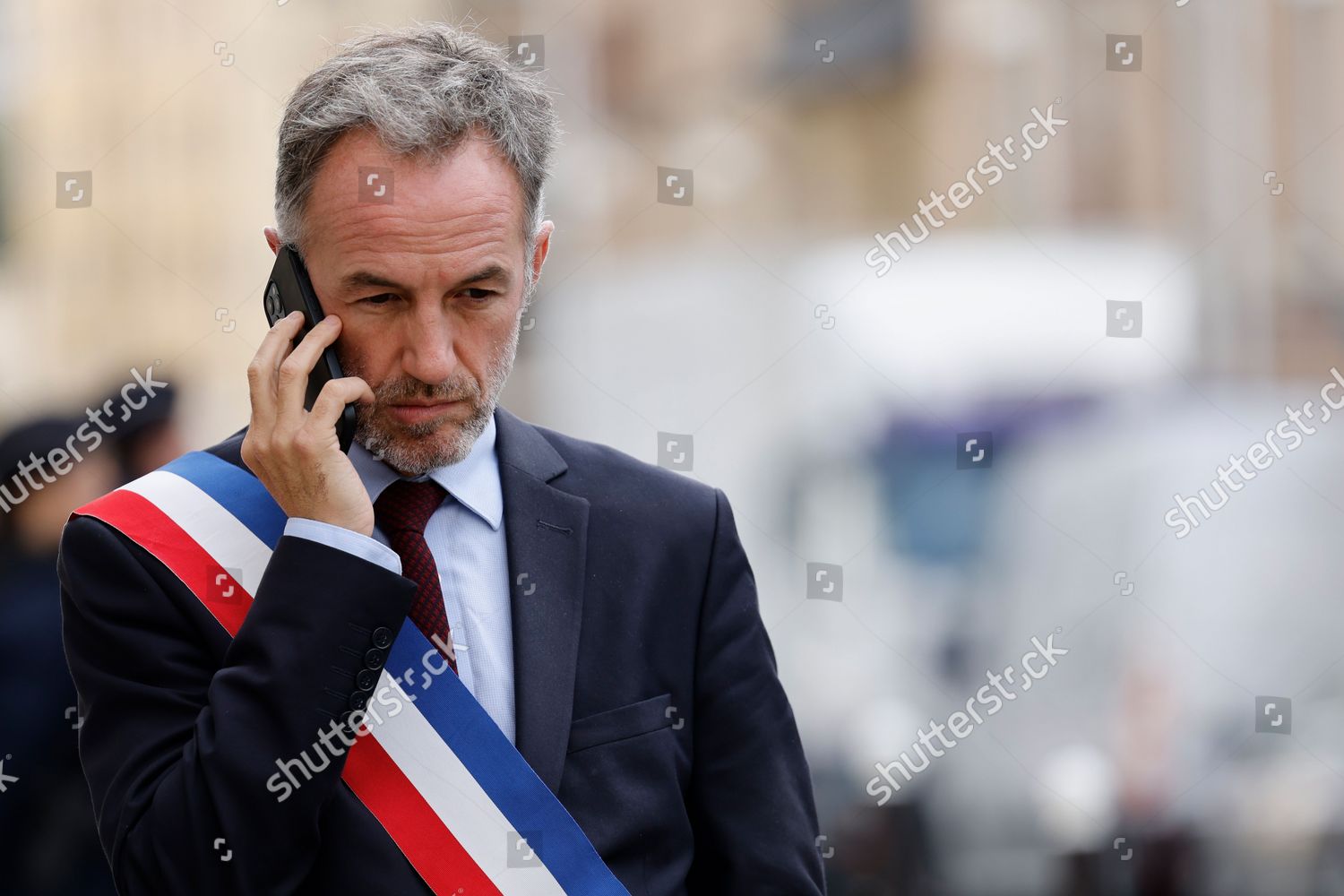
Emmanuel Grégoire, the Socialist Party candidate, has been re-elected as Mayor of Paris following a significant victory in the municipal elections. This decision was made during an official city council session, renewing the political composition while maintaining previous balances. This victory is seen as a confirmation of voter support for socialist policies in the French capital, at a time when economic and social challenges are on the rise.
Grégoire, who is considered one of the prominent political figures in Paris, received broad support from his colleagues in the council, reflecting the continuity of the approach he has taken during his previous terms. He was elected in a session held on Sunday, where the council was restructured while the main political forces remained the same, allowing him to continue implementing his vision for the city.
Details of the Event
During the session, Grégoire emphasized the importance of teamwork and cooperation among all political parties to achieve common goals. He also stressed the need to focus on pressing issues such as housing, transportation, and the environment, which represent key priorities in his electoral program. This election demonstrates a continuation of policies aimed at improving the quality of life in Paris and promoting sustainable development.
Despite the challenges facing the city, including rising living costs and climate change, Grégoire appears determined to tackle these challenges through innovative strategies. He pointed out the urgent need to develop more sustainable infrastructure and improve public services.
Background & Context
Historically, Paris has witnessed significant political transformations, being a center for many social and political movements. Since the beginning of the 21st century, Paris has leaned towards more socialist policies, contributing to the strengthening of the Socialist Party's role in managing the city. Grégoire is considered part of this trend, as he seeks to promote social justice and achieve sustainable development.
In recent years, municipal elections in Paris have seen intense competition among political parties, but the Socialist Party has managed to maintain its strength thanks to effective strategies in communicating with voters. Grégoire's victory shows that there is ongoing support for policies focusing on social and environmental issues.
Impact & Consequences
Grégoire's election as Mayor of Paris is seen as an important step in enhancing political stability in the city. This stability is expected to contribute to attracting investments and boosting tourism, benefiting the local economy. Additionally, the continuation of socialist policies may lead to improved living conditions for many residents, especially in the poorer neighborhoods.
Furthermore, Grégoire's election could influence national policies in France, as the Socialist Party is part of broader political alliances. His success in Paris may strengthen the party's position on the national stage, which could reflect in upcoming elections.
Regional Significance
Paris is an important cultural and political center in the world, and its influence extends to many countries, including Arab nations. The policies adopted by Grégoire may inspire some Arab cities in their pursuit of sustainable development and social justice. Additionally, cooperation between Paris and Arab countries in areas such as culture and the environment could enhance bilateral relations.
In conclusion, Emmanuel Grégoire's election as Mayor of Paris demonstrates a continuation of socialist policies in the city, reflecting voter support for this vision. Grégoire is expected to face significant challenges, but his success in addressing them could serve as a model for many cities around the world.