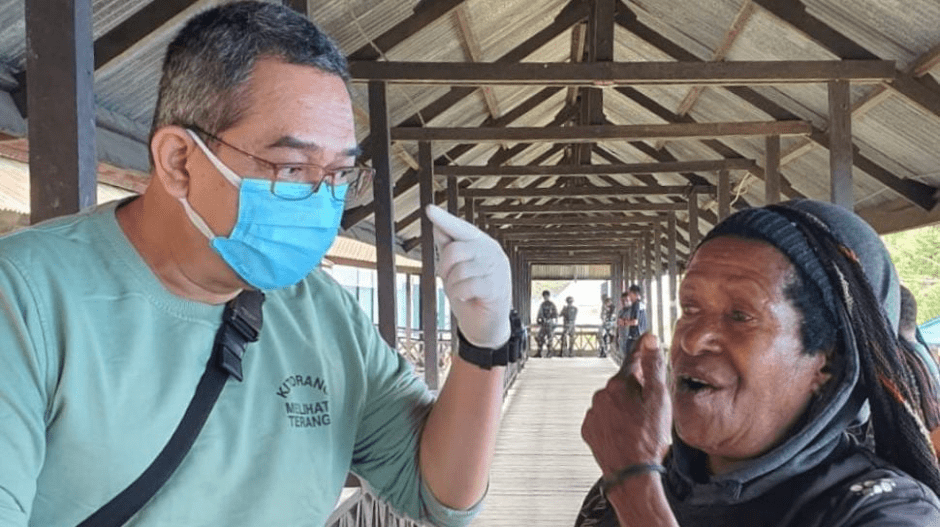
Indonesian Deputy Minister of Home Affairs, Ahmad Wiyagus, emphasized the importance of coordination between the central and local governments in addressing health issues in Papua, highlighting the need to focus on endemic diseases such as HIV/AIDS, tuberculosis, and malaria. This statement was made during a technical meeting held in Jayapura, where strategies to expedite the eradication of these diseases were discussed.
In his speech, Wiyagus pointed out that health issues are considered a fundamental responsibility of the government and should be part of essential healthcare services. He stressed that local governments must prioritize health, emphasizing the importance of enhancing human resources in this field.
Details of the Meeting
During the meeting, Wiyagus clarified that the central government pays special attention to the health of Papua's residents, having allocated a budget to support health programs. A special team from the Ministry of Health has also been formed to address issues related to HIV/AIDS, tuberculosis, and malaria, aiming to provide necessary support to local communities.
He noted that this team includes experts and specialists in health, working to raise health awareness among the people of Papua by providing essential information on how to manage these diseases.
Background & Context
Historically, the Papua region faces significant health challenges, being one of the areas most affected by infectious diseases. Social and economic factors have exacerbated these issues, necessitating swift and effective interventions from the government. In recent years, government efforts to eradicate endemic diseases have intensified, but there remains an urgent need to unify efforts among various stakeholders.
Papua is considered a strategic region in Indonesia, playing an important role in national development. However, the health challenges faced by its residents hinder progress in various sectors, requiring a comprehensive response from both the government and society.
Impact & Consequences
Wiyagus's statements highlight the importance of coordination among various entities in addressing health issues, as success in eradicating diseases relies on collaboration between central and local governments. Additionally, enhancing health awareness among the population is a crucial step in combating infectious diseases.
These efforts could lead to improved quality of life in Papua, contributing to the enhancement of economic and social development in the region. Furthermore, the success of these programs could serve as a model for other areas facing similar health challenges.
Regional Significance
Although health issues in Papua may seem distant from the Arab region, the lessons learned from this experience can be valuable. Cooperation between local and central governments and the promotion of health awareness are essential elements that can be applied in various contexts, including Arab countries facing similar health challenges.
Ultimately, this news underscores the importance of government commitment to addressing health issues and highlights the need for comprehensive strategies that ensure the health and safety of communities.