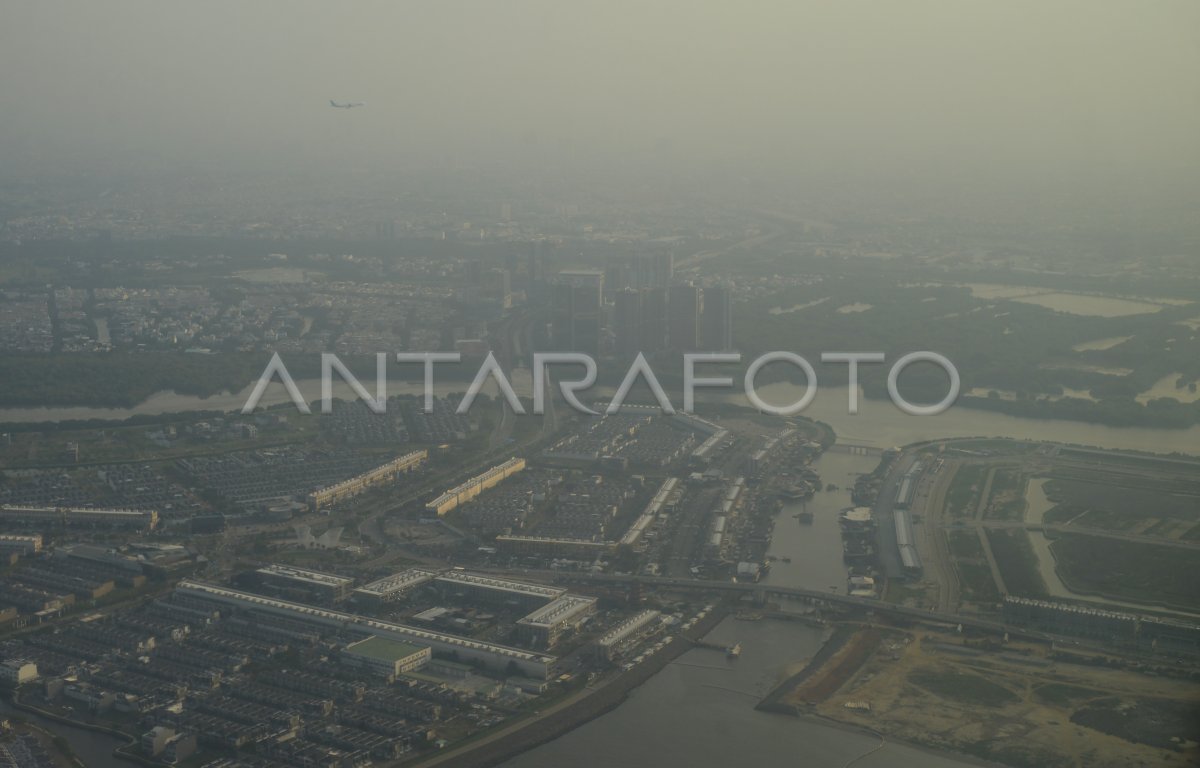
Jakarta, the capital of Indonesia, recorded unhealthy levels of air pollution on Wednesday morning, leading local authorities to warn citizens about the necessity of wearing masks when going outside. Reports from IQAir indicated that the air pollution level reached 161, reflecting a high concentration of fine particulate matter PM 2.5 at 69.3 micrograms per cubic meter, significantly surpassing the standards set by the World Health Organization.
The fine particulate matter PM 2.5 is considered a serious pollutant that can lead to severe health issues, especially for individuals suffering from heart or lung diseases. Health authorities in Jakarta have urged residents to take preventive measures, such as avoiding outdoor activities, closing windows to prevent polluted air from entering, and using air purifiers in homes.
Details on Air Quality
Jakarta ranks as the fourth worst city in Indonesia in terms of air quality, surpassed by cities like South Tangerang and Bandung. This situation reflects the pollution crisis faced by the city, which requires a swift and effective response from the local government.
The Jakarta government has confirmed that combating air pollution cannot be done partially; it requires joint efforts among various government agencies and cooperation with surrounding areas. A comprehensive plan to combat air pollution has been launched, extending from 2023 to 2030, incorporating multiple strategies to improve air quality.
Background & Context
Indonesia, like many other countries, faces significant challenges regarding air pollution. Part of this issue stems from the increasing number of vehicles and factories, along with the burning of agricultural waste. Jakarta is one of the most polluted cities in the world, suffering from a continuous decline in air quality over the years.
Historically, Indonesia has heavily relied on coal as an energy source, exacerbating the pollution problem. With rising health awareness, the government has begun taking steps towards transitioning to cleaner energy sources, but progress remains slow.
Impact & Consequences
The effects of air pollution in Jakarta extend beyond individual health risks, impacting overall quality of life. Studies indicate that continuous exposure to fine particulate matter can lead to increased rates of chronic diseases, placing additional pressure on the healthcare system.
Moreover, air pollution can affect the local economy, potentially leading to higher healthcare costs and loss of productivity due to pollution-related illnesses. This situation necessitates an urgent response from both the government and civil society to mitigate these impacts.
Regional Significance
As air pollution continues to be a pressing issue, it highlights the need for regional cooperation and shared strategies to address environmental challenges. The Jakarta government’s initiatives could serve as a model for other cities facing similar issues.
In conclusion, addressing air pollution in Jakarta is not only vital for the health of its citizens but also for the sustainability of the region's economy and environment. Collective action and commitment from all stakeholders are essential to tackle this growing crisis.