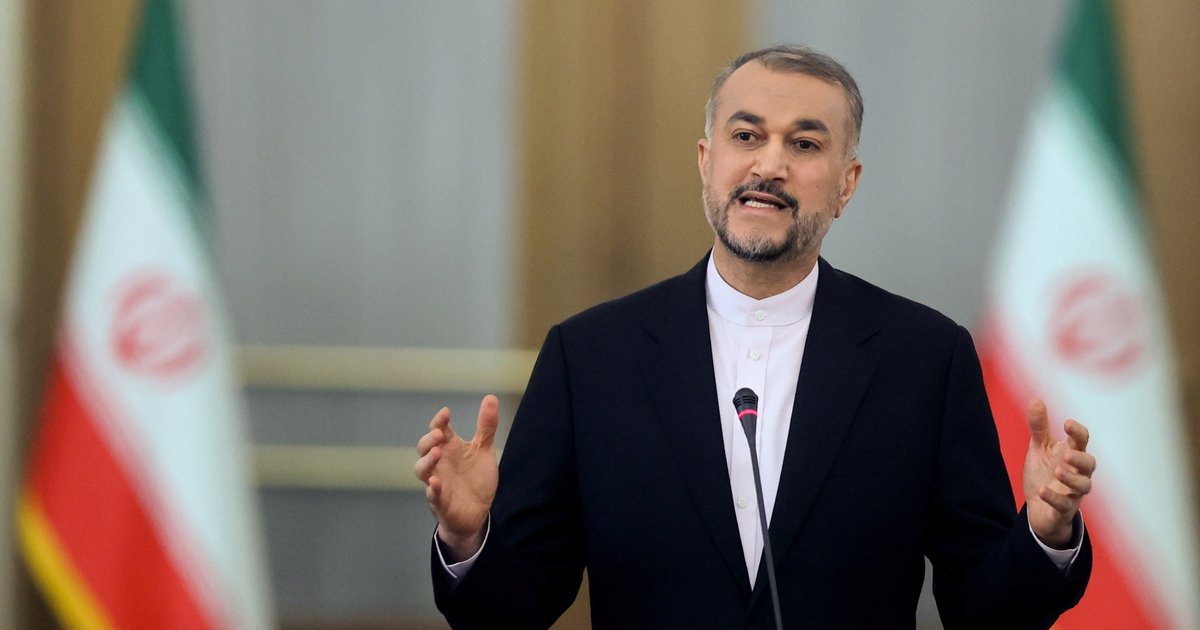
Jordanian Foreign Minister Ayman Safadi emphasized the necessity of reaching diplomatic solutions between the United States and Iran, pointing out the importance of dialogue in achieving regional stability. This statement was made during a press conference held in Amman, where Safadi addressed the ongoing tensions between the two countries and their impact on security in the region.
Safadi noted that military escalation would only exacerbate the situation, urging a return to the negotiation table. He affirmed that Jordan places great importance on regional security and is always striving to enhance cooperation among countries to achieve peace.
Details of the Event
Safadi's remarks come at a sensitive time, as relations between the United States and Iran are experiencing increasing tension. He indicated that dialogue is the only way to avoid escalation and that Jordan is ready to play a mediating role if necessary. Safadi also discussed the impact of these relations on security in the Middle East, emphasizing that any escalation could negatively affect neighboring countries.
In this context, Safadi underscored the importance of cooperation among Arab countries in facing common challenges, stating that regional security requires ongoing coordination among nations. He also called for the enhancement of economic and political relations among Arab states to achieve sustainable development.
Background & Context
Historically, relations between the United States and Iran have seen many fluctuations, with tensions beginning after the Iranian Revolution in 1979. Since then, the United States has imposed economic sanctions on Iran, leading to worsening conditions. In recent years, tensions have significantly increased, especially following the U.S. withdrawal from the Iranian nuclear agreement in 2018.
These relations are complex, with many political and economic factors influencing their trajectory. These tensions have directly affected security in the Middle East, making dialogue an urgent necessity.
Impact & Consequences
The ongoing tension between the United States and Iran could lead to serious consequences for regional security. Any escalation may increase military tensions, which could reflect on neighboring countries and affect their stability. Furthermore, the continuation of economic sanctions on Iran could impact the regional economy as a whole.
Moreover, any military movements could lead to an increase in armed conflicts in the region, making dialogue and negotiation an urgent necessity. Safadi emphasizes that peaceful solutions are the best option for achieving stability.
Regional Significance
The relations between the United States and Iran have a significant impact on Arab countries. Tensions between the two nations could lead to increased divisions within Arab states, affecting security and stability in the region. Additionally, any escalation could result in a flow of refugees and an increase in humanitarian crises.
In this context, Safadi stresses the importance of Arab cooperation in facing these challenges, indicating that Arab nations must work together to enhance security and stability in the region. Dialogue between Arab countries and Iran is considered part of the possible solutions for achieving peace.
In conclusion, dialogue remains the only way to achieve stability in the region, and Safadi emphasizes the importance of joint efforts among nations to achieve this goal.