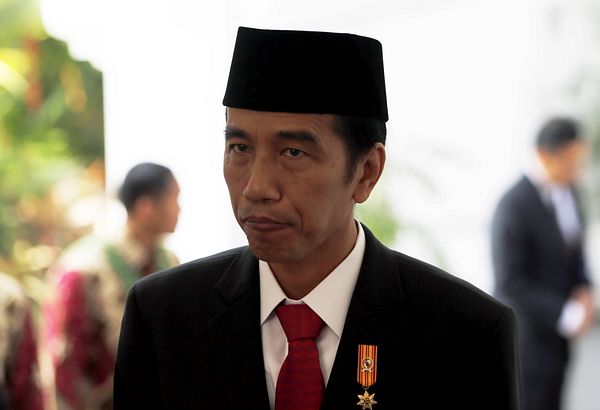
The Indonesian Corruption Eradication Commission (KPK) emphasized the importance of the family as the first line of defense against corruption in South Sulawesi during a workshop held in the city of Makassar. The Vice Chairman of the Commission, Wawan Wardina, pointed out that families should serve as the primary reminder for public officials to maintain their integrity.
Wardina explained that there have been numerous instances where families played a negative role in fostering corruption, either by collaborating with corrupt individuals or by encouraging such behavior. Therefore, anti-corruption efforts must target the family environment as a fundamental element in promoting integrity.
Event Details
During the workshop, spouses of government unit heads in South Sulawesi were invited to reinforce their commitment to integrity. Participants were asked to develop a joint action plan with their spouses, which includes building a commitment to maintain integrity within the family.
Among the proposed steps was the creation of a public declaration, including through social media, to ensure community involvement in monitoring the behaviors of public officials. Officials were also encouraged to use their authority to establish transparent and honest work systems by implementing internal rules that prevent corrupt practices.
Background & Context
Indonesia is considered one of the countries facing significant challenges in combating corruption, a phenomenon deeply rooted in various aspects of political and economic life. Studies have shown that corruption negatively impacts economic and social development in the country, making it essential to take effective steps to address it.
In recent years, the Indonesian government has intensified its anti-corruption efforts by establishing bodies such as the KPK, which aims to investigate corruption cases and prosecute the corrupt. However, corruption remains a major challenge that requires cooperation from all segments of society, including families.
Impact & Consequences
Strengthening the role of the family in combating corruption can have positive effects on society as a whole. Building a culture of integrity within families can contribute to reducing instances of corruption in both public and private institutions. This also enhances citizens' trust in the government and encourages them to participate in anti-corruption efforts.
Moreover, involving families in these efforts can lead to increased public awareness about the dangers of corruption and the importance of integrity, contributing to the formation of a new generation of leaders committed to ethical values.
Regional Significance
Many Arab countries also face similar challenges in combating corruption, which is seen as an obstacle to sustainable development. Strengthening the role of the family in promoting integrity values can serve as a model in the Arab region, where families can contribute to shaping a societal culture that rejects corruption.
By adopting strategies similar to those proposed in Indonesia, Arab countries can enhance their anti-corruption efforts, thereby improving the business environment and increasing trust in government institutions.