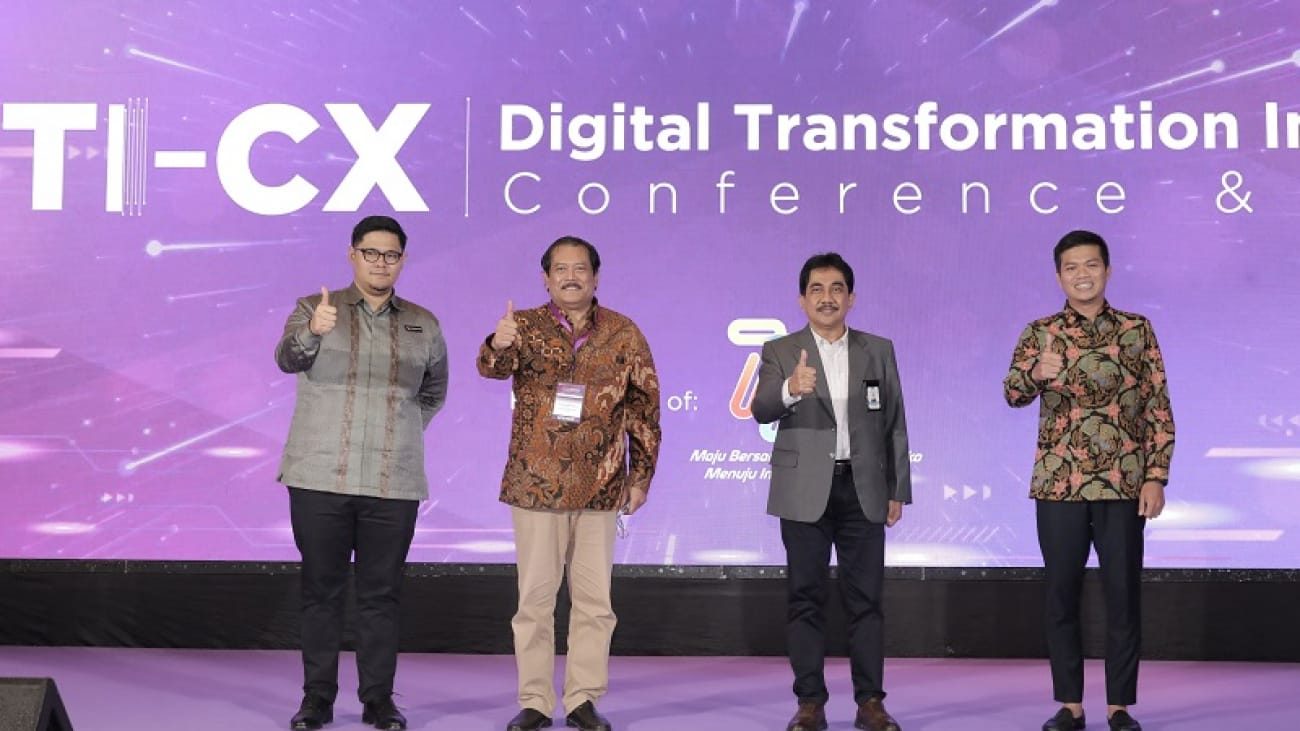
Boniifasius Wahyu, head of the Human Resource Development Agency at Indonesia's Ministry of Digital Communications, stressed the necessity for women to play a prominent role as change agents in the national digital transformation journey. This statement was made during his speech in Jakarta, where he noted that current technological advancements have opened new horizons for women, not only as internet users but also as creators, innovators, and leaders in the digital age.
Wahyu explained that technology has created a fertile environment for women to innovate, as the digital space has evolved from merely a place for interaction to a productive platform that allows them to express their ideas and talents.
Event Details
Wahyu referenced data from the International Telecommunication Union (ITU), which indicates that the percentage of internet users globally stands at **77%** for men, while women account for **71%**. Despite the continuous increase in the number of women online, the digital gender gap persists, with the ratio remaining unchanged since **2019**.
He pointed out that the digital gap represents a real challenge that requires collective efforts to overcome, as the gap in access to technology remains at a level of **0.92**.
Background & Context
Indonesia is considered one of the countries experiencing rapid growth in digital technology usage; however, it faces challenges related to equitable access to this technology. The digital gender gap poses an obstacle to achieving equality of opportunity, necessitating effective interventions from both the government and civil society.
In recent years, the Indonesian government has enacted several legislations aimed at protecting children in the digital space, including a government regulation concerning the management of electronic systems to safeguard children, reflecting the government's commitment to creating a safe digital environment.
Impact & Consequences
The importance of involving women in digital transformation extends beyond achieving equality; it also contributes to enhancing innovation and economic growth. By empowering women, we can expect an increase in creativity and productivity, benefiting society as a whole.
Moreover, having women in leadership positions within technology can help address social and economic issues more effectively, contributing to building a more inclusive and sustainable society.
Regional Significance
Arab countries also face similar challenges regarding the digital gender gap. Empowering women in the digital realm can contribute to achieving sustainable development in the region, as women represent half of society and can be a driving force for change.
In light of rapid digital transformations, Arab nations should leverage positive experiences from Indonesia and other countries by enhancing the role of women in technology and creating a conducive environment for them.