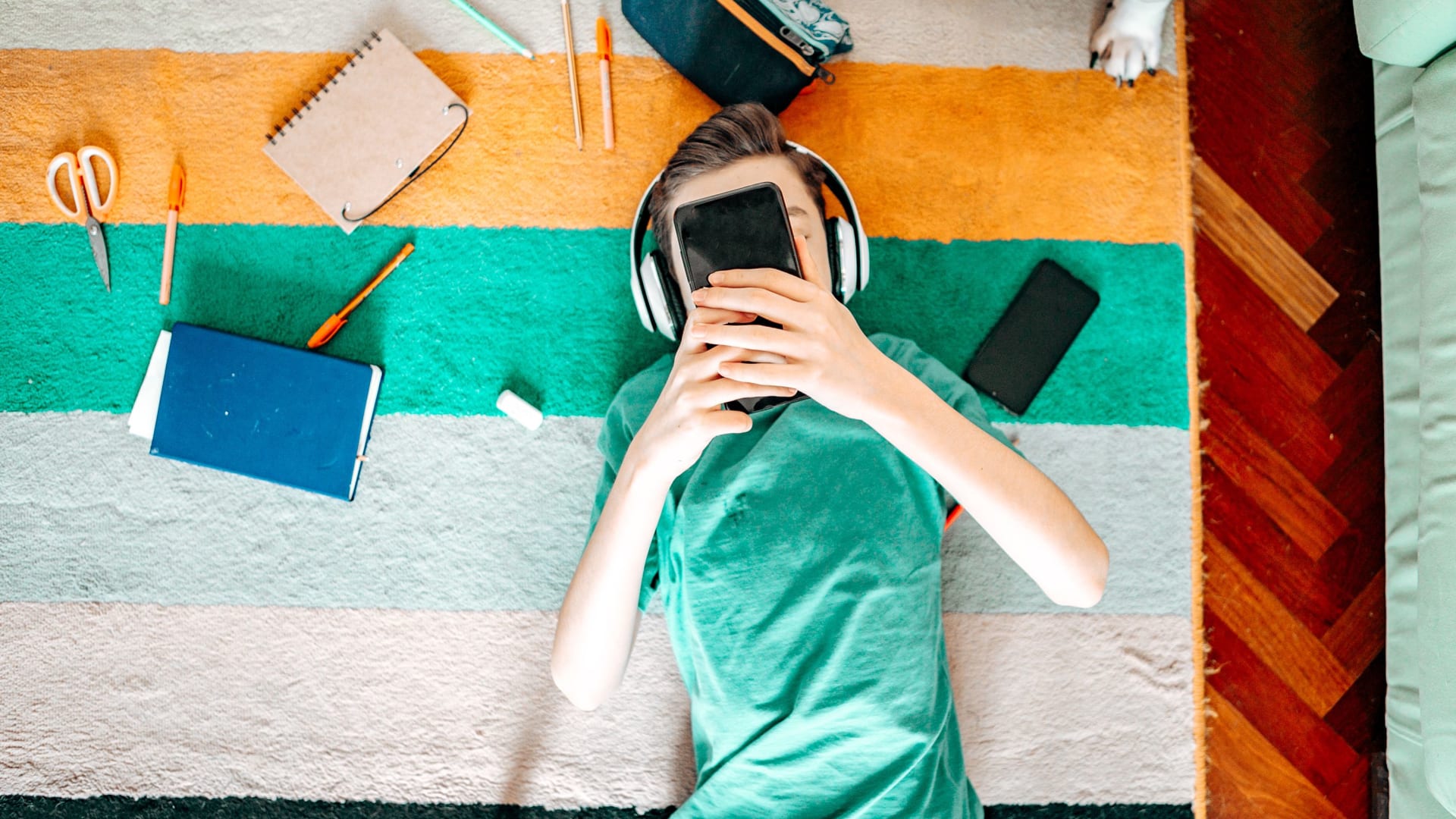
As children's use of social media rises, recent reports emphasize the need for parents to engage in conversations about these platforms. This initiative comes amid growing concerns regarding the impact of social media on children's mental health, as many are experiencing negative effects due to excessive use.
Many families are striving to establish clear rules for children's use of social media, which helps raise awareness about potential risks. These rules include setting specific times for using these platforms, as well as monitoring the content that children are exposed to.
Details of the Initiative
Studies have shown that children who spend a lot of time on social media may face psychological issues such as anxiety and depression. Therefore, parents are advised to open a dialogue with their children about how to use these platforms safely. This dialogue is considered a crucial step in raising children's awareness of the risks they may encounter.
Reports indicate that parents should model responsible social media use for their children. It is important for parents to demonstrate how to handle negative comments and inappropriate content, which helps children develop skills to cope with these challenges.
Background & Context
Historically, social media has evolved rapidly, becoming an integral part of children's and teenagers' lives. In recent years, the percentage of children using these platforms has significantly increased, raising concerns among experts about their impact on mental health. This issue is part of a larger cultural shift, where technology has become a fundamental aspect of daily life.
In many countries, governments and non-governmental organizations have begun taking steps to promote safe social media use. These steps include awareness campaigns targeting both parents and children, aimed at enhancing understanding of the potential risks and benefits.
Impact & Consequences
The consequences of children's use of social media extend beyond psychological risks; they can also affect academic performance and social relationships. Research shows that children who spend excessive time on these platforms may struggle to concentrate in school, impacting their academic achievement.
Moreover, social media can lead to the proliferation of cyberbullying, where many children suffer from negative comments and online harassment. Therefore, it is essential to raise community awareness about how to address these negative phenomena.
Regional Significance
In the Arab region, social media use is prevalent among children and teenagers, raising concerns among parents and educators. There are increasing worries about the impact of these platforms on social and cultural values, as they can lead to changes in children's behavior.
Arab communities need to foster dialogue about safe social media use by organizing workshops and seminars targeting both parents and children. Educational curricula in schools should also enhance awareness of the risks and benefits associated with these platforms.
In conclusion, open dialogue between parents and children about social media use is a fundamental step towards promoting safe and responsible use of these platforms. By establishing clear rules and raising awareness, we can help children benefit from technology while minimizing its risks.