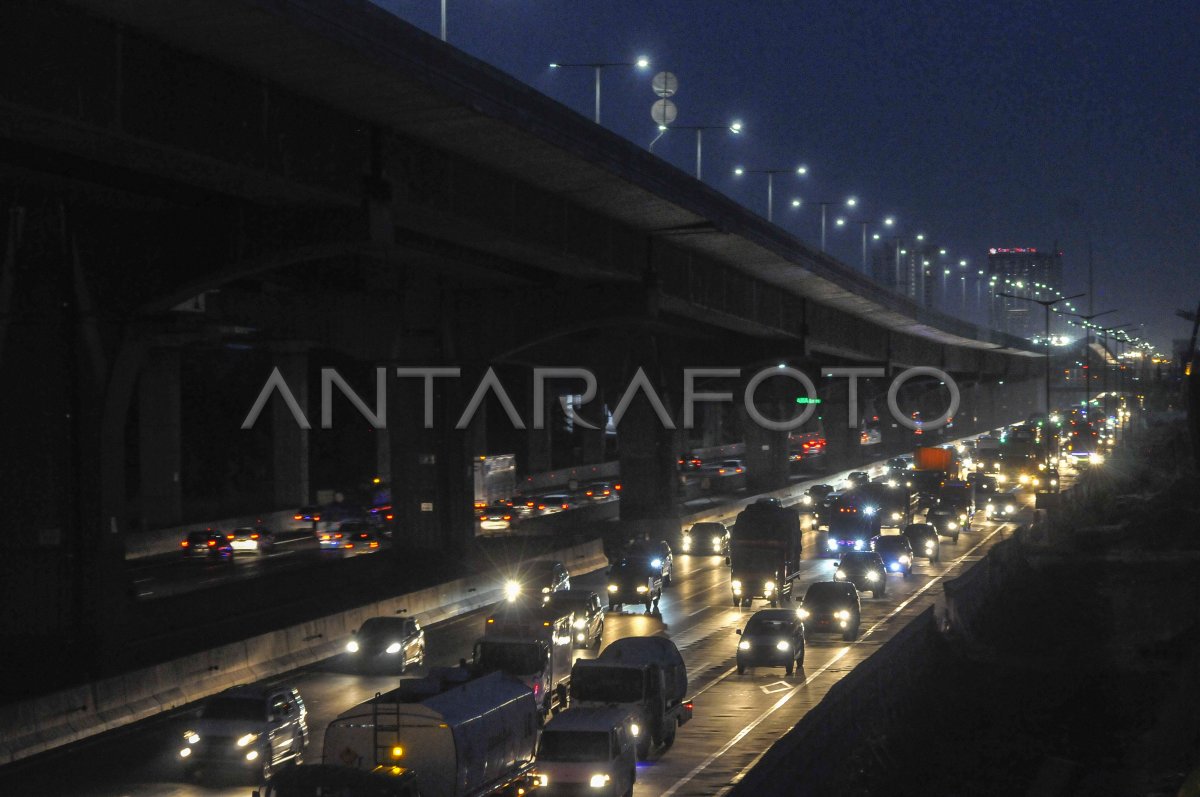
PT Jasamarga Transjawa Tol, in collaboration with the police, announced the end of the contraflow system on the Jakarta-Cikampek road after a decrease in traffic during the Good Friday holiday. This decision came after an intensive assessment of traffic conditions, where a noticeable improvement in traffic flow on the road was observed.
In detail, Ria Marlinda Paalu, the Deputy Head of Public Relations and Legal Affairs at the company, explained that the contraflow system had been implemented from point 55 to point 47 towards Jakarta starting at 16:36 local time. By Sunday evening, the system was terminated around 20:06, as traffic returned to normal.
Details of the Event
This step is part of the efforts by PT Jasamarga and traffic police to monitor traffic periodically and assess conditions on the ground. Officials noted that traffic has become smoother, prompting the termination of the contraflow system to ensure driver comfort.
The importance of adhering to road safety rules was also emphasized, with the company urging drivers to maintain a safe distance and comply with traffic signals and police instructions. Additionally, it was stressed that drivers should ensure they have sufficient electronic funds and that their vehicles are in good condition before embarking on their journeys.
Background & Context
The Jakarta-Cikampek roads are among the busiest in Indonesia, especially during holidays and major events. In recent years, the country has witnessed a significant increase in the number of vehicles, leading to an urgent need for innovative traffic management systems like the contraflow to alleviate congestion.
Historically, Indonesia has faced numerous challenges related to traffic, with the government consistently striving to improve infrastructure and develop new strategies for traffic management. These efforts have contributed to reducing congestion and enhancing the driving experience.
Impact & Consequences
The termination of the contraflow system reflects the success of efforts made in traffic management and enhances the authorities' ability to adapt to changing conditions. This decision also demonstrates the commitment of the government and private companies to improve the quality of life for citizens by providing smoother and safer roads.
Authorities expect that this improvement in traffic flow will contribute to reducing traffic accidents, thereby enhancing the safety of both drivers and passengers. Furthermore, improved traffic can lead to increased economic activity by facilitating the movement of goods and individuals.
Regional Significance
Although this news pertains to Indonesia, it highlights similar traffic issues faced by many Arab countries. With the increasing number of cars in major cities, Arab governments need to adopt innovative strategies for traffic management.
Arab countries can benefit from the experiences of other nations in improving infrastructure and implementing effective traffic systems, contributing to enhanced road safety and reduced congestion.
In conclusion, improving traffic is not merely an organizational issue but a fundamental part of enhancing the quality of life for citizens, reflecting the commitment of governments to achieve sustainable development.