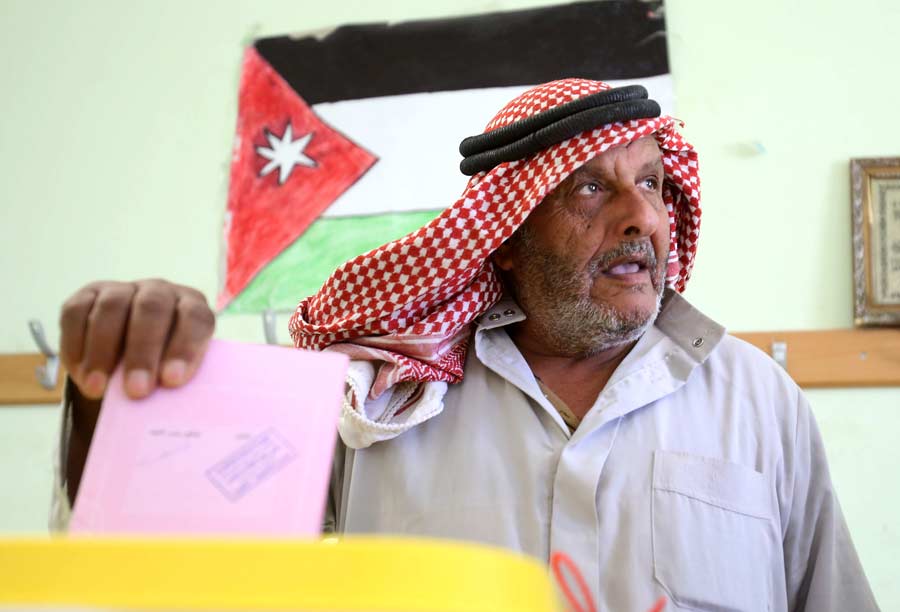
The current parliamentary session in Jordan concluded without achieving tangible results, raising questions about the council's effectiveness in addressing urgent issues. This session witnessed numerous meetings that did not yield new legislation or significant decisions, reflecting a state of political stagnation.
Despite the economic and social challenges facing Jordan, the parliament failed to provide effective solutions. Many observers criticized the council's performance, pointing out that this session was a missed opportunity to address critical issues such as unemployment and poverty.
Details of the Event
The current parliamentary session included discussions on a range of issues, but no noteworthy agreements were reached. Vital topics directly affecting citizens' lives were absent from the sessions, leading to a sense of frustration among the Jordanian public.
Additionally, the session saw some deputies absent from meetings, negatively impacting the council's ability to make collective decisions. Some deputies indicated that political divisions within the council were an obstacle to achieving the desired goals.
Background & Context
This session comes amid difficult economic conditions in Jordan, where the country is grappling with high unemployment rates and declining economic growth. There were expectations that the parliament would be able to present innovative solutions, but the reality was disappointing.
Historically, the Jordanian parliament has experienced similar sessions characterized by weak outcomes, raising questions about the effectiveness of the political system in the country. Many believe that political reforms are necessary to ensure better results in the future.
Impact & Consequences
These limited outcomes may exacerbate social and economic crises in Jordan, as citizens feel their voices are not heard. This could increase frustration and loss of trust in government institutions.
The continuation of this situation may also affect political stability in the country, potentially driving citizens to seek political alternatives. Under these circumstances, it becomes essential for the parliament to adopt a more effective approach in addressing the issues at hand.
Regional Significance
The situation of the Jordanian parliament serves as a model reflecting the challenges faced by many Arab countries in the realm of political reform. Numerous countries suffer from weak parliamentary performance, negatively impacting development and stability.
Enhancing the effectiveness of political institutions in Jordan could have a positive impact on neighboring countries, potentially serving as a model for political reforms.
In conclusion, hope remains that the next parliamentary session can achieve better results, and that deputies will be able to listen to citizens' demands and work to meet their needs.