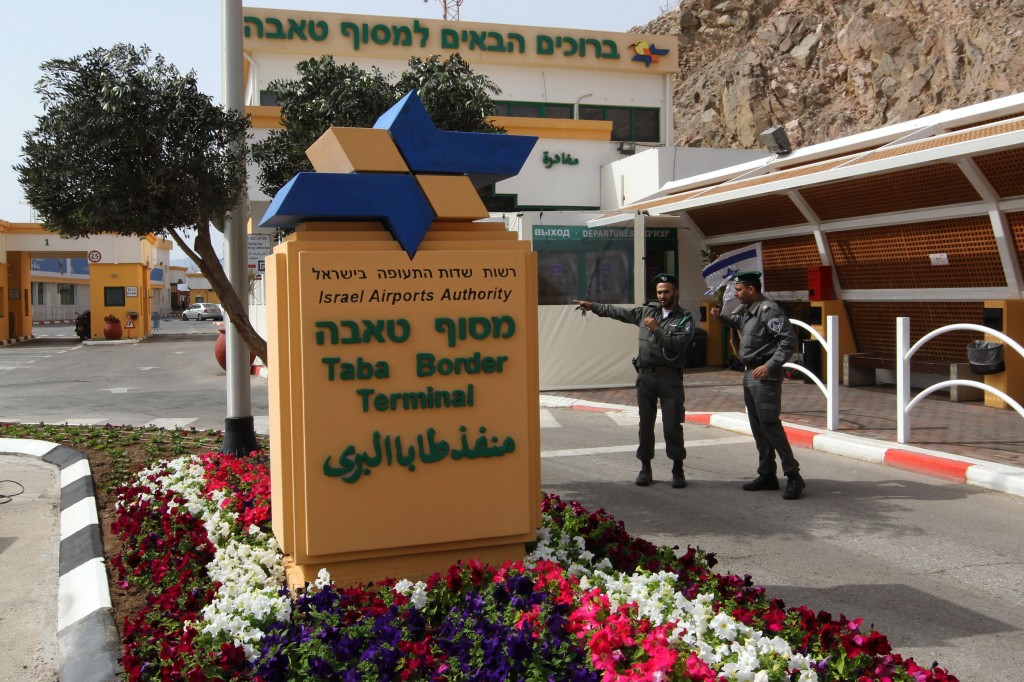
The Taba negotiations exemplify Egyptian diplomatic genius, showcasing the team's ability to recover territory effectively. This process highlights Egypt's negotiation skills in complex issues.
The Taba negotiations are considered one of the most significant historical milestones in Egyptian-Israeli relations, representing an important step towards restoring Egyptian sovereignty over its lands. These negotiations demonstrated how Egyptian diplomacy was able to overcome the challenges and difficulties faced during that period.
Details of the Event
The Taba negotiations began in 1986 after the signing of the peace treaty between Egypt and Israel in 1979. Taba was a major point of contention between the two sides, with each party holding firm to its stance regarding sovereignty over the area. The negotiations continued for several years until a final agreement was reached in 1989.
The negotiations showcased high diplomatic skills from the Egyptian team, which led the discussions with intelligence and professionalism. These negotiations contributed to enhancing Egypt's position on the international stage, being regarded as a model for resolving conflicts.
Background & Context
The Taba negotiations occurred within a complex historical context, as Egyptian-Israeli relations had experienced numerous tensions following the 1973 war. However, there was a strong desire from both sides to achieve peace and stability in the region. International and local pressures contributed to pushing both parties towards dialogue and negotiation.
Historically, Taba had been under Israeli control since 1967, making its recovery vital for Egypt. Egyptian diplomacy played a pivotal role in achieving this goal, reflecting Egypt's ability to influence regional events.
Impact & Consequences
The Taba negotiations succeeded in strengthening relations between Egypt and Israel, contributing to a relative stability in the region. These negotiations also highlighted the importance of dialogue and negotiation as a means to resolve disputes, which may encourage other countries to adopt the same approach.
This negotiation process serves as a lesson in diplomacy, demonstrating how countries can transcend their differences through dialogue and understanding. This experience has contributed to enhancing Egypt's position as a mediator in regional conflicts.
Regional Significance
The Taba negotiations serve as a model in the Arab world, potentially inspiring other countries to seek peaceful solutions to conflicts. The success of these negotiations reflects the importance of cooperation and understanding between Arab nations and Israel.
In light of current events, the Taba negotiation experience could serve as evidence of the potential for achieving peace in other conflict areas within the Arab world. This experience may bolster peace efforts in the region.
In conclusion, the Taba negotiations represent a historic achievement for Egyptian diplomacy, embodying Egypt's ability to negotiate effectively and reclaim its rights. These negotiations remain an important lesson in the significance of dialogue and understanding in achieving peace.