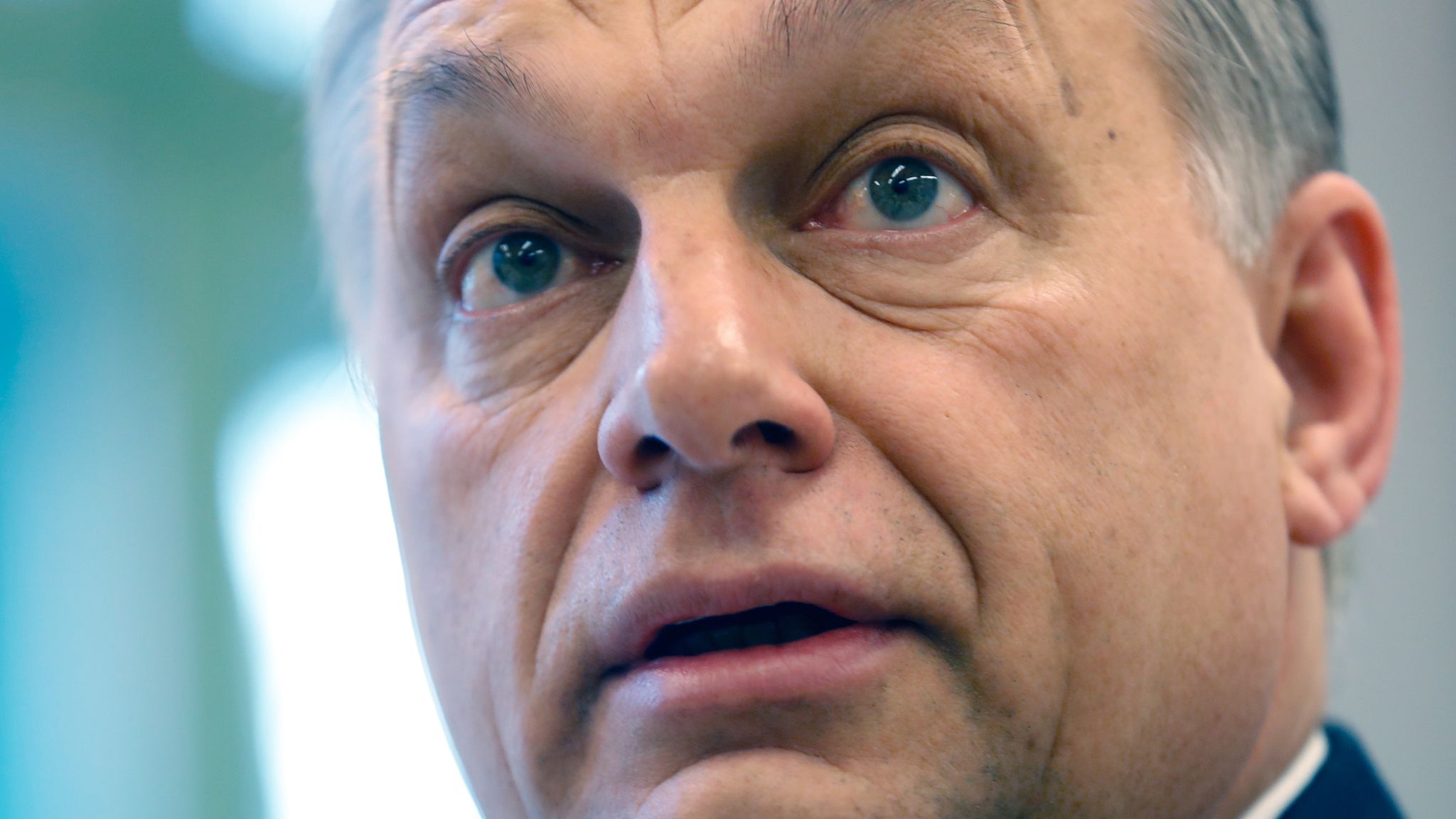
Hungarian Prime Minister Viktor Orban announced his retreat following a crushing electoral defeat, emphasizing his determination to rebuild the nation's identity. This decision comes at a critical time as Hungary faces significant political changes. The defeat Orban experienced is considered one of the largest setbacks in his political career, which has spanned over two decades.
In the recent elections, Orban faced fierce competition from opposition parties that managed to unite against his government. The results showed that voters were dissatisfied with the economic and social policies implemented by the government, leading to a noticeable decline in his popularity. Orban stated that he would work on rebuilding what he termed the "national aspect" of Hungary in an attempt to regain voter trust.
Details of the Event
This election is seen as a turning point in Hungary's modern history, where the opposition achieved unexpected victories. Pre-election polls indicated that Orban was leading, but the final results were disappointing for him. In a speech following the elections, Orban acknowledged the urgent need for change and that he would reevaluate his political strategies.
He also highlighted the importance of national unity, asserting that Hungary needs to overcome current political divisions. Orban expressed his willingness to cooperate with all political parties to achieve stability in the country. These statements come at a time when Hungary is grappling with significant economic and social challenges, complicating the political landscape further.
Background & Context
Viktor Orban has been in power since 2010, following a strict nationalist policy focused on enhancing national identity. His government has faced widespread criticism for its immigration and human rights policies. However, his popularity has declined in recent years due to economic crises and increasing public discontent.
Historically, Hungary has experienced numerous political transformations, from the communist era to the transition to democracy. These shifts have contributed to shaping the national identity of the country, making it essential for any political leader to handle national issues with care.
Impact & Consequences
The defeat Orban faced could lead to significant changes in the Hungarian political landscape. The country may witness the rise of new parties or unexpected alliances, potentially altering the dynamics of governance. This defeat could also impact Hungary's foreign policy, especially concerning relations with the European Union.
At the same time, there may be social repercussions, as these changes are expected to create further divisions among different segments of society. Rebuilding national identity may require substantial efforts from the new government, increasing the challenges they face.
Regional Significance
Although events in Hungary may seem distant from the Arab region, there are lessons to be learned. Political changes in any country can affect international relations, including ties with Arab nations. Furthermore, Hungary's political experiences may inspire some Arab countries undergoing transitional phases.
In conclusion, Hungary stands at a crossroads, where Orban or any new leader must address the challenges facing the country wisely and skillfully. Rebuilding national identity may be a necessary step to restore trust between the government and the people.