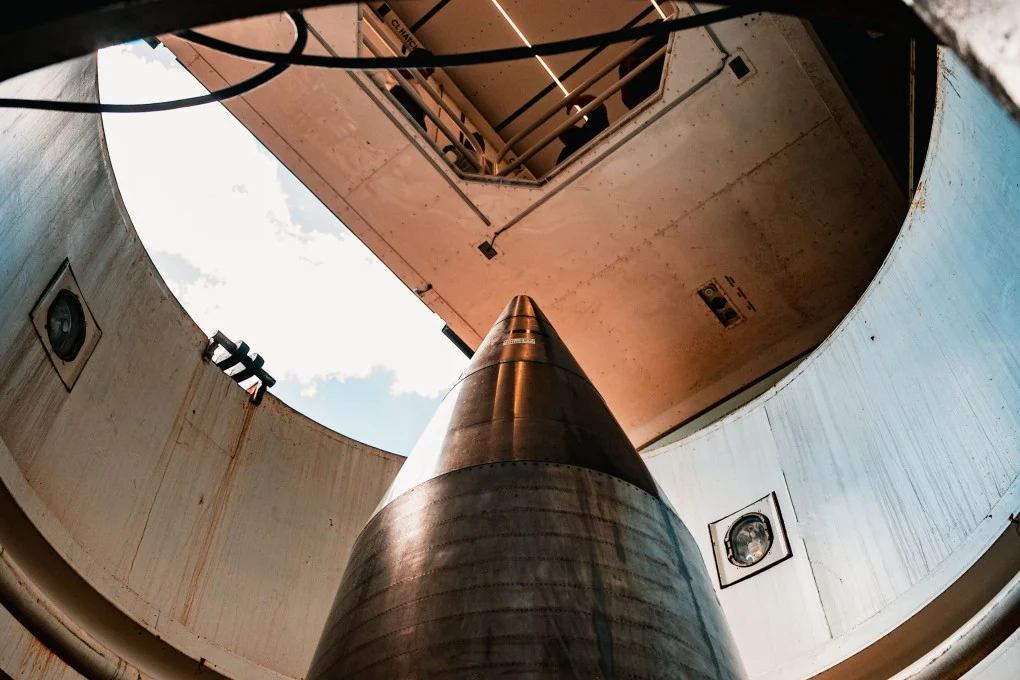
Discussions about the possibility of South Korea and Japan developing their own nuclear programs have accelerated in the wake of rising tensions in the region, especially after the war in Iran. These countries, which have long been considered key allies of the United States, are beginning to reassess their defense strategies amid growing threats.
The topic of nuclear weapons in South Korea and Japan has been a sensitive issue for decades, with the idea historically regarded as a political taboo. However, as regional tensions escalate, this discussion has become more acceptable among decision-makers and military analysts.
Details of the Current Situation
Recently, the Director General of the International Atomic Energy Agency emphasized the need to pay attention to these developments, warning that any steps towards nuclear armament could lead to an arms race in the region. This warning has raised widespread concern among neighboring countries, which fear the implications of such a move on regional security.
Historically, South Korea and Japan have relied on the nuclear umbrella provided by the United States, but with increasing threats from North Korea and Iran, discussions about the necessity of developing local nuclear capabilities have begun. This shift in thinking reflects a change in the security dynamics of the region.
Background & Context
For decades, Japan and South Korea have adhered to a policy of nuclear non-proliferation, having signed the Treaty on the Non-Proliferation of Nuclear Weapons. However, the rising threats from other nuclear states, such as North Korea, have prompted these countries to reconsider their defense strategies.
Historically, Japan and South Korea have depended on the United States as a primary ally in facing regional threats. However, with growing concerns about the U.S.'s ability to provide adequate support, discussions about the potential for developing local nuclear capabilities have emerged.
Impact & Consequences
If South Korea and Japan decide to develop their own nuclear programs, it could lead to radical changes in the military balance in the region. This development is likely to provoke reactions from neighboring countries, such as China and Russia, which could heighten regional tensions.
Moreover, this move could impact the relationships between the United States and its allies in Asia, as it may be perceived as a retreat from U.S. commitment to regional security. This situation could raise significant concerns in Washington, which seeks to maintain its influence in Asia.
Regional Significance
Although this discussion is taking place in East Asia, it has implications for the Arab region. An increase in nuclear armament in any area could destabilize other regions, including the Middle East. Arab countries may also need to reassess their defense strategies in light of these changes.
In conclusion, it appears that the discussion surrounding nuclear weapons in South Korea and Japan has entered a new phase, with increasing pressures to develop local nuclear capabilities. This situation requires close monitoring by the international community, especially amid rising tensions in the region.