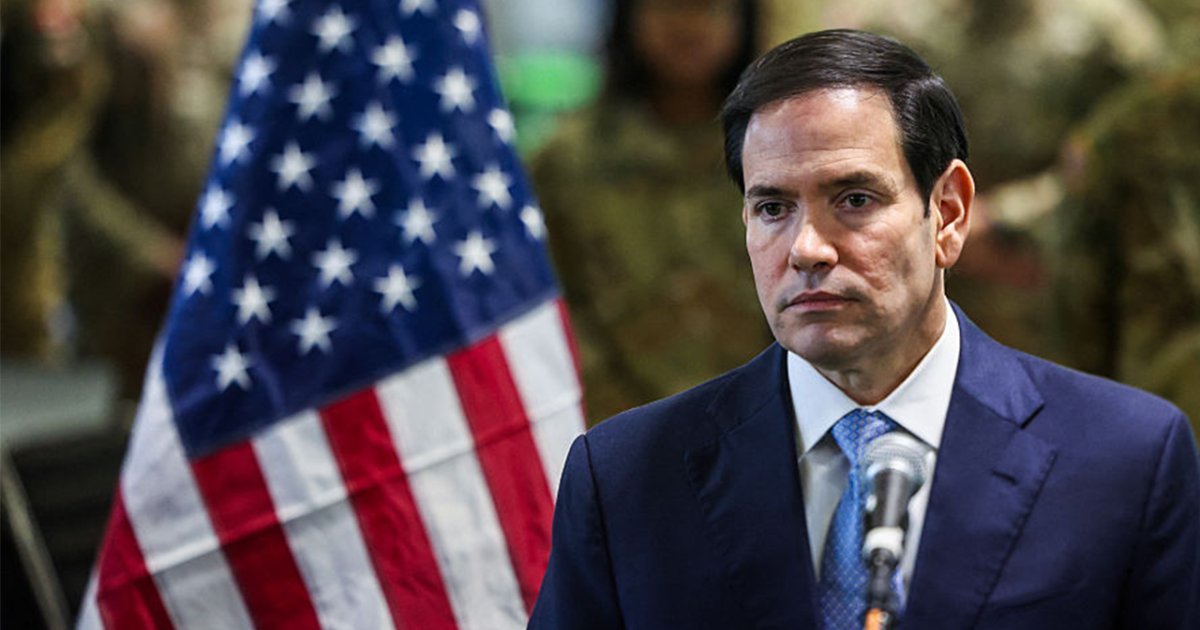
U.S. Senator Marco Rubio, a member of the Senate Intelligence Committee, has declared the end of Operation 'Epic Fury', which was aimed at Iran. This operation, launched as part of the United States' efforts to counter Iranian activities in the region, has seen a notable escalation in recent times.
Rubio's statements come at a time when fears are escalating regarding rising tensions between the United States and Iran, as the operation aimed to undermine Tehran's influence in the Middle East. Rubio indicated that this step reflects a change in U.S. strategy towards Iran, given the shifting circumstances in the region.
Details of the Operation
Operation 'Epic Fury' was part of a series of measures taken by the U.S. administration to address Iranian threats. These measures included imposing economic sanctions and increasing military presence in the region. However, the conclusion of the operation may indicate a reassessment by the U.S. administration of its policies towards Iran.
Rubio, who is considered one of the leading voices advocating a tough policy towards Iran, clarified that the end of the operation does not mean the United States is retreating from its stance on Iranian activities. Rather, it may serve as a strategic move to redirect efforts towards alternative methods of addressing the challenges posed by Iran.
Background & Context
Historically, U.S.-Iran relations have been strained, particularly following the U.S. withdrawal from the nuclear agreement in 2018. Since then, the region has witnessed an escalation in military activities and political tensions. Operation 'Epic Fury' was part of this dynamic, as the United States sought to bolster its position against Iran.
These events intersect with a range of other crises in the region, including conflicts in Syria and Yemen, complicating the security landscape in the Middle East. There are also concerns that any new escalation could lead to unforeseen repercussions for regional security.
Impact & Consequences
The end of Operation 'Epic Fury' could have significant implications for U.S. policies in the region. This change may lead to a reevaluation of military and economic strategies towards Iran, potentially affecting relations with U.S. allies in the area.
Additionally, this decision may open the door for increased dialogue between the United States and Iran, although doubts remain regarding Tehran's intentions. At the same time, U.S. allies in the region may feel anxious about any reduction in pressure on Iran, which could strengthen Tehran's regional position.
Regional Significance
The recent developments in U.S.-Iran relations are particularly significant for Arab countries, as Iran plays a pivotal role in many regional conflicts. The conclusion of Operation 'Epic Fury' could lead to shifts in the balance of power in the region, impacting the stability of neighboring states.
In light of these circumstances, Arab countries must remain vigilant regarding any changes in U.S. policies and work to strengthen their regional alliances to address potential challenges. Regional dialogue may also become increasingly important amid these shifting dynamics.
In conclusion, the end of Operation 'Epic Fury' marks a turning point in U.S. policy towards Iran and reflects the ongoing challenges the United States faces in managing its relations with Tehran. Understanding these dynamics will be crucial for Arab countries in their pursuit of stability and security in the region.