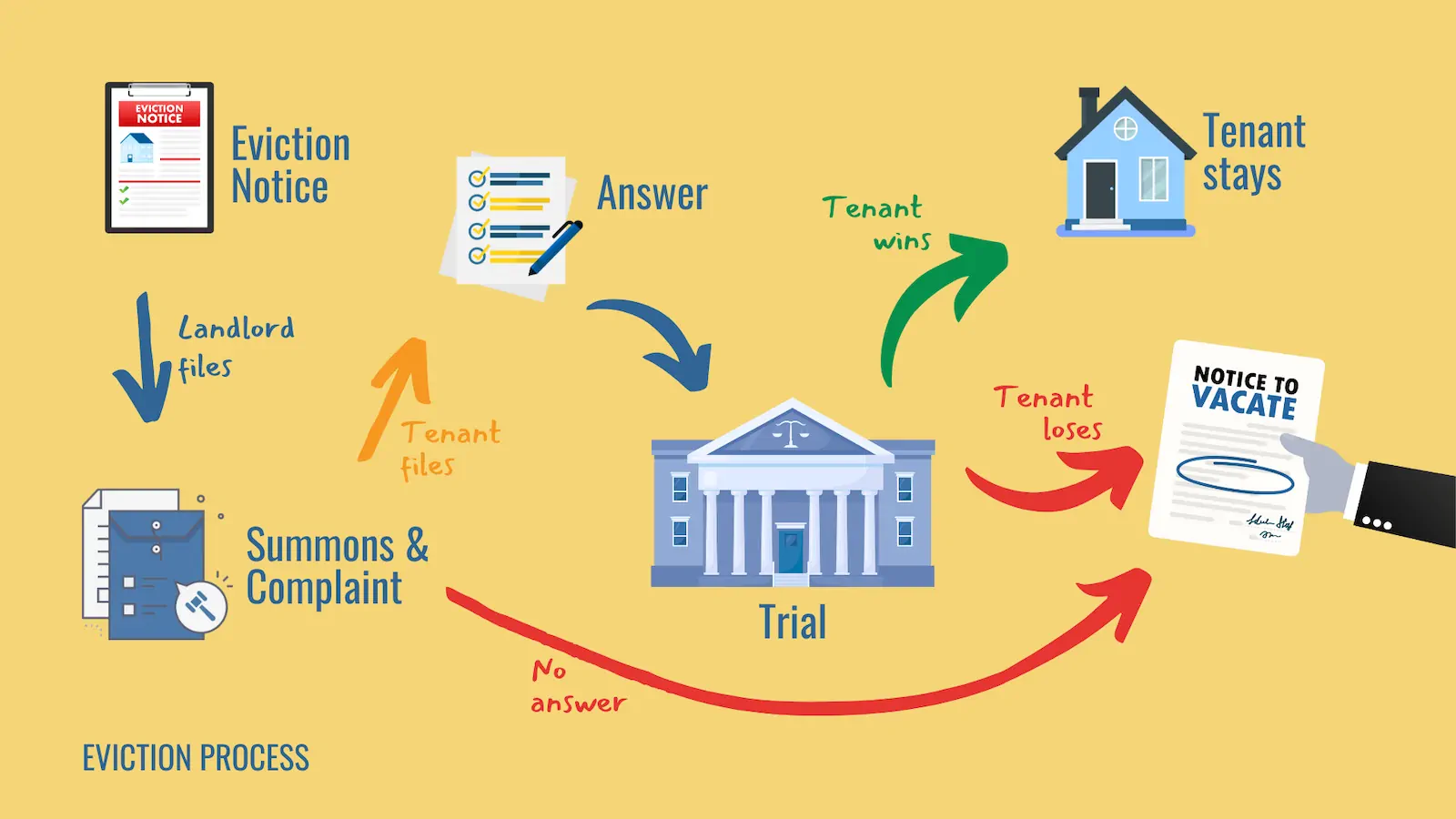
The winter eviction moratorium ends on Tuesday, March 31, raising serious concerns among organizations dedicated to assisting tenants about a potential increase in evictions. According to reports, recent years have witnessed a notable rise in eviction cases, with a 27% increase in 2025 compared to 2024, totaling 30,500 cases.
The winter moratorium, also known as the eviction protection period, serves as a temporary reprieve granted to tenants in many countries, during which eviction processes are suspended throughout the harsh winter months. As this period comes to a close, fears are mounting that many families may face the risk of losing their homes, especially amid the challenging economic conditions that many households are experiencing.
Details of the Situation
This increase in eviction cases comes at a time when many individuals are facing mounting economic pressures, including rising living costs and energy bills. Many experts have pointed out that these conditions could exacerbate the housing crisis, as tenants find it increasingly difficult to pay rent. Numerous charities have warned that the end of the moratorium could lead to a significant spike in evictions, which may place additional strain on social assistance services.
In this context, some charities have confirmed that they are working to provide support and assistance to tenants facing the threat of eviction, including offering legal advice and financial assistance. However, the resources available to these organizations may be limited, increasing the challenges they face in helping needy families.
Background & Context
Historically, winter eviction moratoriums have been viewed as a means to protect tenants from eviction during the winter months when weather conditions are harsh. However, the current economic circumstances have made it difficult for many families to continue paying rent, leading to an increase in eviction cases. In recent years, many countries have seen a rise in living costs, significantly impacting the financial capacity of households.
Data shows that many families facing eviction are low- or middle-income households, highlighting the urgent need for effective government interventions to support these individuals. In some countries, steps have been taken to expand financial assistance programs for tenants, but significant gaps in available support still remain.
Impact & Consequences
The rise in eviction cases leads to negative effects on society as a whole, potentially increasing the number of homeless individuals, which places additional pressure on social welfare services. Moreover, the loss of housing can adversely affect individuals' mental and physical health, increasing the need for psychological and social support services.
Furthermore, the increase in evictions can exacerbate social and economic crises, making it essential to take urgent action to address this issue. It requires collaboration between the government, charities, and civil society to ensure that necessary support is provided to affected families.
Regional Significance
In the Arab region, many countries face similar challenges in housing, where living costs are rising, and many individuals struggle to pay rent. Lessons learned from this situation in Western countries may be beneficial for Arab nations in developing effective strategies to support tenants and protect their rights.
It is crucial for Arab governments to adopt effective policies to protect tenants, including providing financial support and legislation that safeguards their rights. In light of the challenging economic conditions, enhancing cooperation between the government and civil society becomes essential to ensure a safe and stable housing environment for all.