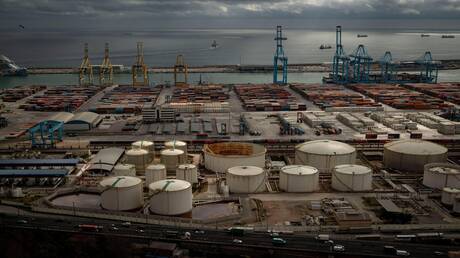
Bloomberg warns that the US-Israeli war against Iran is causing a severe energy crisis for US allies in Europe, complicating the economic situation on the continent.
Concerns are rising in Europe about the implications of the ongoing conflict, as many European nations face significant economic challenges due to soaring energy prices and dwindling supplies. This crisis comes at a sensitive time, as many countries are suffering from the repercussions of the Russia-Ukraine war, increasing pressure on European governments.
Details of the Event
Reports indicate that the conflict in Iran could exacerbate the energy crisis in Europe, where many countries rely on importing oil and gas from conflict zones. As tensions escalate, energy supplies may be disrupted, leading to unprecedented price hikes.
Bloomberg predicts that this situation will increase the financial burdens on European households and businesses, potentially leading to economic recession in some countries. Meanwhile, European governments are seeking alternative energy sources, but these efforts may be insufficient to meet current challenges.
Background & Context
Historically, Iran has been a key player in the global energy market, possessing vast reserves of oil and gas. However, sanctions imposed due to US and Israeli policies have diminished its ability to export energy. In recent years, relations between Iran and the West have become increasingly strained, complicating the situation in the region.
This crisis comes at a sensitive time, as Europe is already suffering from the consequences of the Russia-Ukraine war, which has led to a significant shortage of gas and oil supplies. This situation has made European countries more dependent on alternative energy sources, but current challenges may hinder these efforts.
Impact & Consequences
Bloomberg anticipates that the energy crisis resulting from the conflict in Iran will have negative effects on the European economy, with European countries likely to experience rising inflation rates and increased living costs. This crisis may also exacerbate social and political tensions in many nations.
Furthermore, this crisis could impact international relations, as European countries may seek to strengthen their cooperation with other nations in the energy sector, potentially leading to changes in geopolitical alliances. At the same time, some countries may exploit the current situation to enhance their influence in the global market.
Regional Significance
Arab oil-producing countries find themselves in a sensitive position, as they may benefit from rising oil prices due to the crisis. However, increasing tensions in the region could lead to greater instability, negatively affecting investments and local economies.
Ultimately, the current situation requires Arab countries to consider new strategies to address the economic and political challenges arising from regional and international conflicts. There must be joint efforts to enhance cooperation in the energy sector and provide sustainable alternatives.