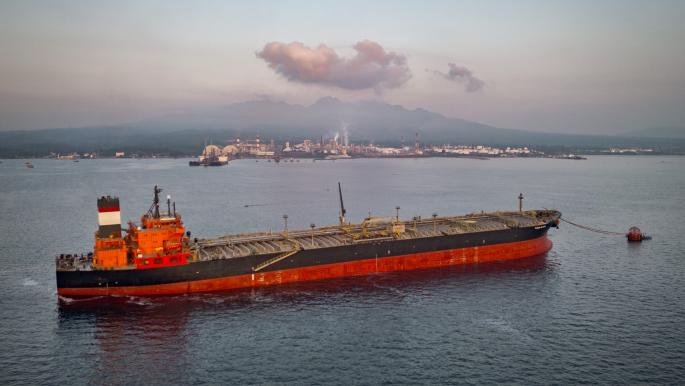
Energy markets are experiencing instability as they await the impact of OPEC Plus's production increase on prices, while armed conflicts in various regions continue to exert pressure on oil and gas prices. These conditions are prompting nations to take proactive measures to secure their energy supplies.
The recent announcement of an increase in OPEC Plus production is aimed at meeting the rising demand for energy. However, the effects of this increase may be significantly influenced by the political and security disturbances occurring in some oil-producing countries.
Details of the Event
The OPEC Plus organization announced an increase in its production by 400,000 barrels per day in an effort to support prices that have seen notable fluctuations in recent months. This increase comes at a time when markets are facing pressures due to ongoing conflicts in the Middle East and Africa, which directly impact oil supplies.
Concerns are growing that these conflicts could exacerbate the situation in energy markets, as countries seek to secure their energy needs amid prevailing uncertainty. Reports indicate that some nations have begun stockpiling larger quantities of oil and gas in anticipation of any emergencies.
Background & Context
Historically, energy markets have experienced significant fluctuations due to armed conflicts, which affect countries' abilities to produce and export oil. In recent years, several key events, such as the conflict in Libya and the Syrian crisis, have led to reduced supplies and rising prices.
Simultaneously, major countries are striving to reduce their dependence on traditional energy sources, complicating the landscape further. The shift towards renewable energy adds a new dimension to the challenges facing energy markets, as traditional energy competes with sustainable alternatives.
Impact & Consequences
The increase in OPEC Plus production directly affects prices, potentially leading to a decline if supply exceeds demand. However, ongoing conflicts may hinder this effect, keeping markets in a state of constant anticipation.
Some reports predict that these developments will lead to increased price volatility, which could impact the global economy as a whole. Countries heavily reliant on oil exports may face economic challenges if prices continue to fluctuate.
Regional Significance
The Arab region is among the most affected by fluctuations in energy markets, as many countries rely on oil revenues as a primary source of income. Armed conflicts in countries like Iraq and Libya directly impact oil production, increasing pressures on their economies.
Under these circumstances, Arab nations are seeking to diversify their income sources and reduce dependence on oil, which requires substantial investments in other sectors. Additionally, cooperation among Arab countries in the energy sector may provide a solution to address future challenges.