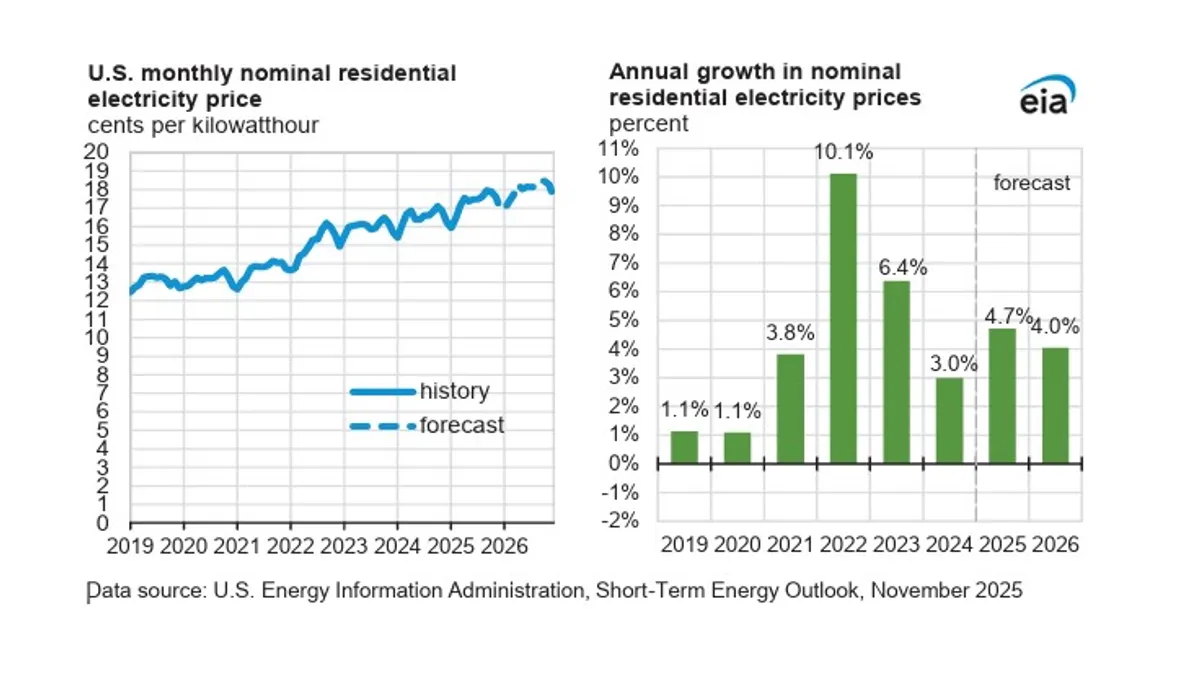
The World Bank forecasts a notable surge in energy prices, projected to increase by 24% during the year 2026, marking the highest levels since the Russian invasion of Ukraine in 2022. These predictions arise amid changing global economic conditions that significantly impact energy markets.
Forecasts indicate that this increase will affect various economic sectors, as energy prices are a key factor influencing production and transportation costs. Consequently, rising prices may lead to increased inflation in many countries.
Details of the Event
In its latest report, the World Bank highlighted that the rise in energy prices is attributed to several factors, including the growing demand for energy in global markets and geopolitical disruptions affecting energy supplies. Additionally, fluctuations in oil and natural gas prices play a crucial role in determining future prices.
Moreover, climate change and new environmental policies may also impact energy prices. Many countries are striving to reduce their reliance on fossil fuels, which could lead to price increases in the short term.
Background & Context
Since the Russian invasion of Ukraine, global energy markets have experienced sharp fluctuations. Sanctions imposed on Russia have reduced supplies, significantly contributing to rising prices. The increased demand for energy following the COVID-19 pandemic has further exacerbated the situation.
Historically, energy prices have been influenced by numerous factors, including political crises, changes in production, and climate variations. These factors remain present in the current landscape, making it challenging to accurately predict future prices.
Impact & Consequences
The rise in energy prices could have negative repercussions on the global economy, potentially leading to increased living costs, which would pressure low-income households. Companies may also face rising production costs, which could result in reduced profits or even layoffs.
Globally, this increase may exacerbate economic crises in developing countries, which heavily rely on energy imports. Thus, rising prices could worsen poverty and increase inequality.
Regional Significance
In the Arab region, energy prices are a crucial factor in the economy. Many countries depend on oil and gas exports as a primary source of revenue. Therefore, rising prices may positively impact some energy-producing countries, but they could increase burdens on importing nations.
Additionally, rising prices may affect political stability in some countries, potentially leading to public protests due to increased living costs. Consequently, governments in the region need to implement effective measures to address these challenges.
In conclusion, forecasts suggest that energy prices will remain under significant pressure in the coming years, necessitating proactive steps from countries to adapt to these changes.