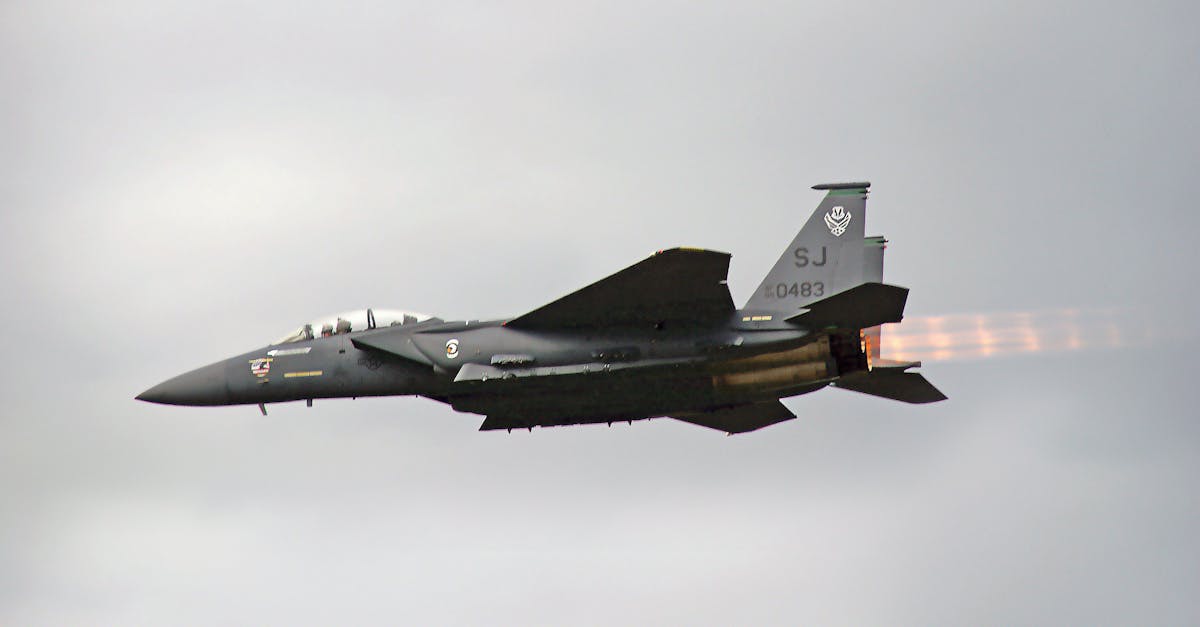
After two months since the onset of the war in Iran, the optimism surrounding US defense stocks has diminished, as investors begin to worry that the rapid rise in these stocks may be overstated. This decline comes at a sensitive time, with growing concerns about the feasibility of achieving a substantial increase in the US defense budget.
In recent weeks, US defense stocks experienced record highs, generating excitement among investors. However, this enthusiasm appears to be fading as doubts grow regarding the US government's ability to significantly increase the defense budget under current conditions.
Details on the Current Situation
These developments occur at a time when the world is witnessing escalating tensions, particularly in the Middle East. The war in Iran has significantly impacted global markets, prompting many investors to reassess their investments in the defense sector. Reports indicate that several major companies in this sector may face challenges in achieving expected profits.
Moreover, uncertainties surrounding the US defense budget could affect expansion and growth plans for these companies. Investors are now questioning the government's ability to support these firms amid the current economic conditions.
Background & Context
Historically, the US defense budget has seen notable increases during times of crisis. However, the current situation differs from the past, as the government faces mounting economic pressures. The war in Iran is just one of many challenges confronting the United States, making it difficult to predict the future of the defense budget.
In recent years, the United States has undergone significant changes in its defense policy, impacting corporate investments in this sector. Geopolitical tensions, such as conflicts in the Middle East, play a crucial role in determining the defense budget.
Impact & Consequences
The decline in defense stocks could have widespread implications for the US economy. Companies reliant on defense contracts may struggle to achieve profitability, potentially leading to layoffs and budget cuts. This could adversely affect the economy overall, especially in states that heavily depend on the defense industry.
Furthermore, a decrease in confidence in defense stocks may lead to greater volatility in financial markets, increasing economic instability. Investors might shift their focus to other sectors, impacting the flow of funds into the defense sector.
Regional Significance
The decline in investor enthusiasm for US defense stocks may affect the US economy and reflect geopolitical tensions in the region. As the situation evolves, the implications for military relations with Arab nations could also become more pronounced, influencing regional security dynamics.
In conclusion, the current state of US defense stocks highlights the intricate relationship between economic conditions and geopolitical events, underscoring the need for careful monitoring of both factors moving forward.