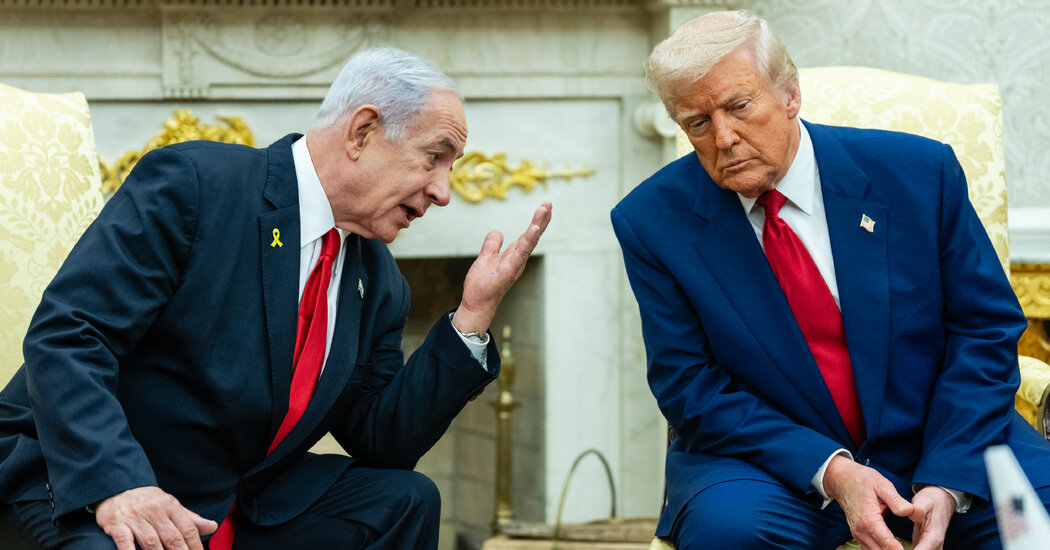
US President Donald Trump announced serious discussions with a new regime in Iran, aimed at ending American military operations in the region. This announcement comes at a sensitive time marked by increasing tensions between Washington and Tehran, as Trump seeks to achieve diplomatic progress that could alter the course of relations between the two countries.
In statements made during a press conference, Trump confirmed that the US administration is working to find more rational solutions to deal with the Iranian file, indicating that there is a real opportunity to reach an agreement that ensures security and stability in the region. He added that these discussions are part of the United States' efforts to reduce the military tensions that have characterized recent years.
Details of the Event
These statements come at a critical time, as fears of a potential military escalation between the United States and Iran are rising. Relations between the two parties have deteriorated significantly since the US withdrawal from the Iranian nuclear agreement in 2018, leading to the imposition of severe economic sanctions on Tehran. In this context, Trump aims to reopen channels of dialogue with the Iranian leadership, which could represent a shift in US foreign policy towards Iran.
According to sources close to the US administration, the discussions cover a range of issues, including the Iranian nuclear program, Tehran's support for armed militias in the region, and human rights. This shift in US policy is considered a bold step, as Trump had previously taken a hardline stance against Iran.
Background & Context
Historically, US-Iranian relations have been tense since the Islamic Revolution in 1979, witnessing numerous crises, including the hostage-taking of American citizens in Tehran. Over time, tensions escalated due to the Iranian nuclear program, which the United States viewed as a threat to regional and international security.
In recent years, US hardline policies towards Iran have escalated crises, with Tehran responding by increasing its nuclear activities and expanding its influence in the region. However, the current US administration appears more open to dialogue, which could open new avenues for cooperation between the two countries.
Impact & Consequences
If the ongoing discussions succeed, they could lead to a de-escalation of tensions in the Middle East, which has been plagued by ongoing conflicts. Additionally, reaching an agreement could contribute to stabilizing oil prices, which have been significantly affected by political crises in the region.
Furthermore, this shift in US policy could impact relations with Washington's allies in the region, such as Saudi Arabia and Israel, who view Iran as a major threat to their security. Therefore, any agreement may require the United States to work on reassuring its allies regarding its intentions towards Iran.
Regional Significance
Arab countries, especially those located in the Gulf, are among the most affected by the tensions between the United States and Iran. Any escalation could lead to destabilizing the region, negatively impacting both the economy and security.
If the discussions succeed, they may open doors for greater cooperation between Arab countries and Iran, potentially contributing to regional stability. However, doubts remain, as many observers closely monitor developments, questioning the seriousness of both parties in achieving peace.
In conclusion, the question remains open as to whether these discussions will lead to tangible results or remain mere talks without outcomes. Only time will tell the answer to this question, but the hope for achieving peace and stability persists.