In a move aimed at enhancing freedom of navigation in the Strait of Hormuz, British Prime Minister Keir Starmer announced on Wednesday (April 1) that England will host an international summit this week. This summit comes at a time when the region is witnessing escalating economic tensions due to ongoing conflicts in the Middle East.
During a press conference, Starmer confirmed that British Foreign Secretary Yvette Cooper will lead the meeting, which will bring together international leaders to discuss ways to address the increasing economic challenges. He noted that England is striving to maintain a distance from existing conflicts while emphasizing the importance of opening the Strait of Hormuz as a means to alleviate economic pressures.
Event Details
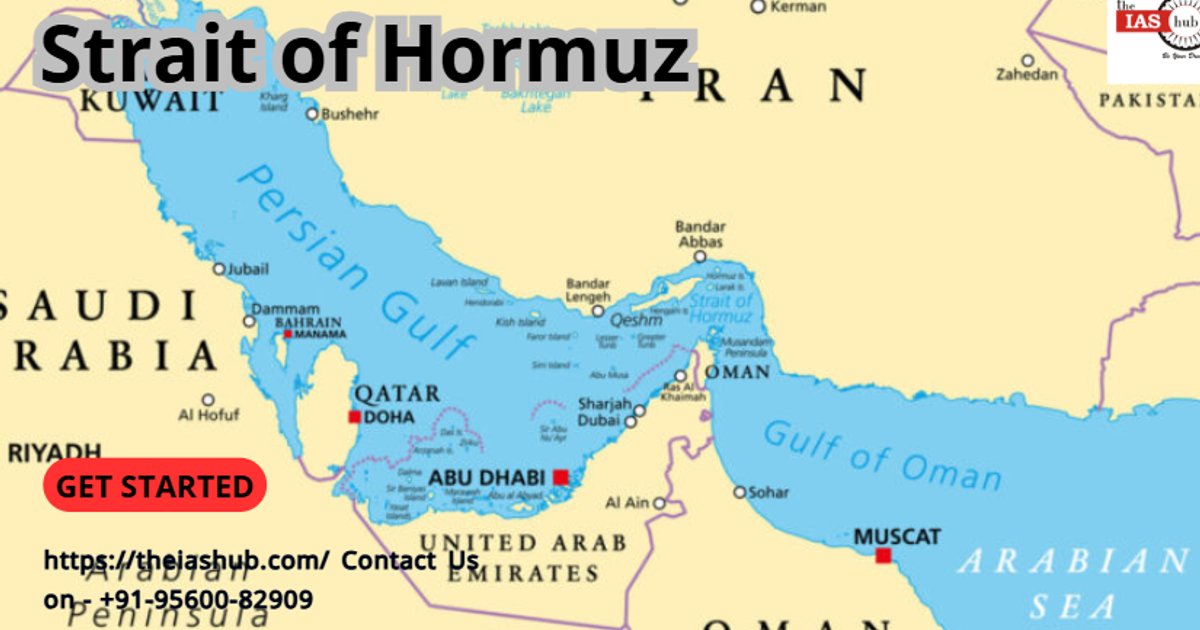
The summit in England serves as a vital platform for discussing issues related to the Strait of Hormuz, which is one of the most important maritime corridors in the world. Approximately 20% of the world's total oil passes through it, making it a strategic point that cannot be overlooked. In this context, Starmer indicated that the British government is exploring all available diplomatic avenues to ensure the restoration of navigation freedom.
Starmer also warned that the economic pressures resulting from the current situation may persist, stating that the future of the British economy depends on how quickly stability can be restored in the region. This comes at a time when the world is facing significant economic challenges, including rising energy prices.
Background & Context
Historically, the Strait of Hormuz has witnessed recurring tensions, particularly between Iran and the United States. In recent years, these tensions have significantly increased, affecting maritime traffic and global trade. In this context, former US President Donald Trump had indicated his unwillingness to fully withdraw US military support in an attempt to compel Iran to open the strait, reflecting the magnitude of the challenges faced by major powers in the region.
This summit represents an opportunity to unify international efforts to address challenges related to maritime navigation, especially under the difficult economic circumstances facing the world. Enhancing cooperation among major countries could contribute to achieving greater stability in the region.
Impact & Consequences
The implications of this summit extend beyond England, as restoring freedom of navigation in the Strait of Hormuz could directly affect global oil prices and, consequently, the global economy. If effective agreements are reached during the summit, this could alleviate economic pressures on many countries, including Arab nations that heavily rely on oil exports.
Moreover, the success of the summit in achieving its objectives could bolster England's position as a key supporter of stability in the region, potentially paving the way for further international cooperation in the future. Conversely, any failure to achieve tangible results could exacerbate tensions and increase economic pressures.
Regional Significance
Arab countries, particularly those dependent on oil, are among the most affected by developments in the Strait of Hormuz. Stability in this vital corridor means economic stability for these nations, making it essential to closely monitor the outcomes of the summit. If participating countries can reach effective solutions, this could positively reflect on oil prices and enhance economic growth in the region.
In conclusion, all eyes remain on the upcoming summit in England, where many hope for positive outcomes that will enhance freedom of navigation and alleviate global economic pressures.