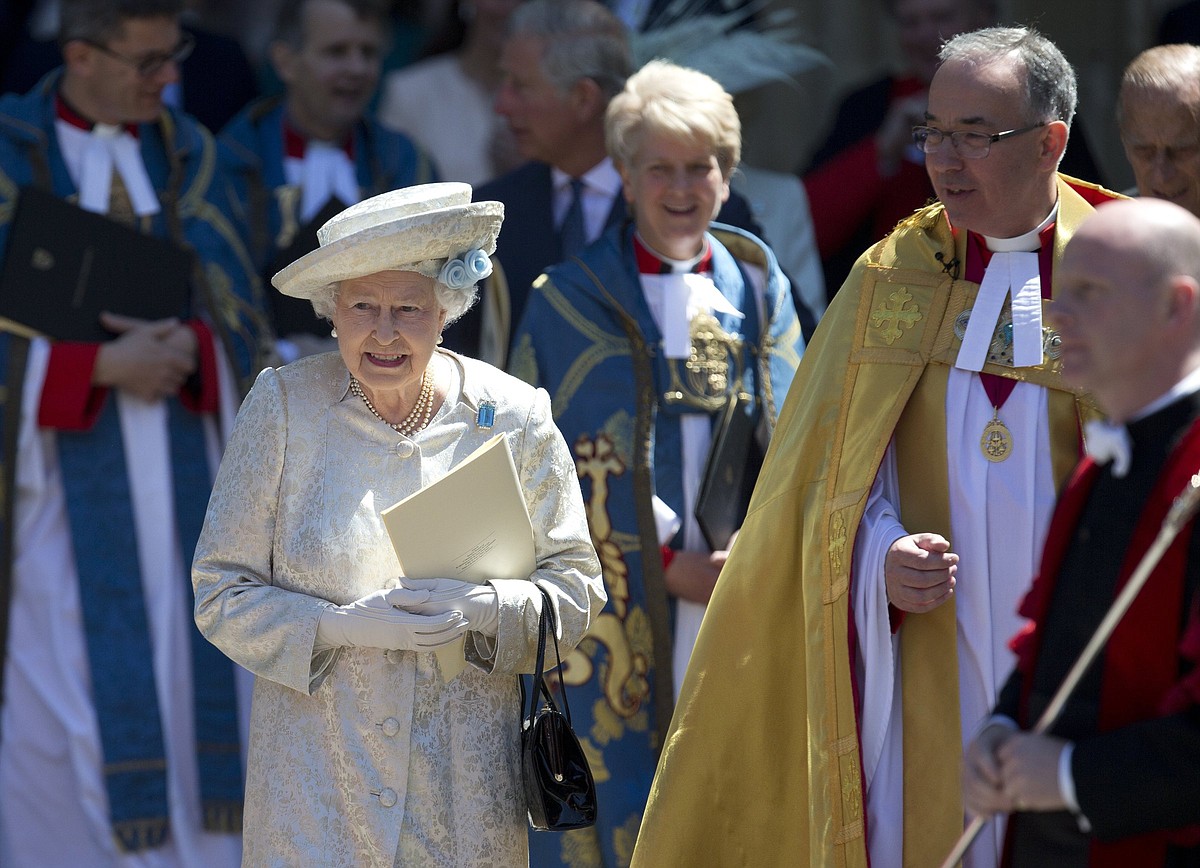
English choirs are working to preserve an ancient musical tradition dating back to the era of Queen Elizabeth I, characterized by its continuity and adherence to cultural roots. This endeavor is part of broader efforts to promote the arts and classical music in the United Kingdom, where these forms of art are gaining increasing attention from the public.
Choirs are considered an essential part of England's cultural heritage, presenting a range of musical works that reflect the country's history and traditions. In recent years, these choirs have faced several challenges, prompting their leaders to take effective steps to safeguard this heritage.
Current Initiatives and Events
The current efforts of English choirs include organizing concerts and cultural events aimed at attracting audiences and educating them about the history of classical music. There is also a strong emphasis on teaching new generations the art of choral singing, which contributes to the continuity of this tradition.
Furthermore, choirs are seeking to collaborate with schools and universities to enhance music education, offering workshops and instructional lessons for students. These initiatives aim to inspire young people and engage them in musical arts.
Background & Context
The roots of classical music in England trace back centuries, where it was used in religious and social occasions. Queen Elizabeth I played a significant role in promoting the arts and music during her reign, making it an integral part of the country's cultural identity.
Over the years, classical music has undergone various changes; however, choirs have maintained their core traditions. With social and cultural changes, it has become essential to preserve this heritage to ensure its continuity in the future.
Impact & Consequences
The efforts to protect classical music are of great importance, as they contribute to enhancing cultural identity and fostering national pride. Additionally, the growing interest in classical music can help attract tourists and increase cultural awareness within the community.
Moreover, these initiatives can lead to improved mental and physical health for individuals, as studies have shown that participation in musical activities enhances feelings of happiness and well-being.
Regional Significance
While the efforts in England focus on preserving musical heritage, Arab countries can also benefit from these experiences. Music is a fundamental part of Arab culture, and traditional arts and music can be promoted through organizing similar events.
Arab nations can draw inspiration from these efforts to enhance local arts, contributing to strengthening cultural identity and attracting tourists to the region.
Preserving musical heritage is not just a cultural task; it is an investment in the future. By promoting the arts and music, communities can ensure the continuity and development of their cultural heritage for future generations.