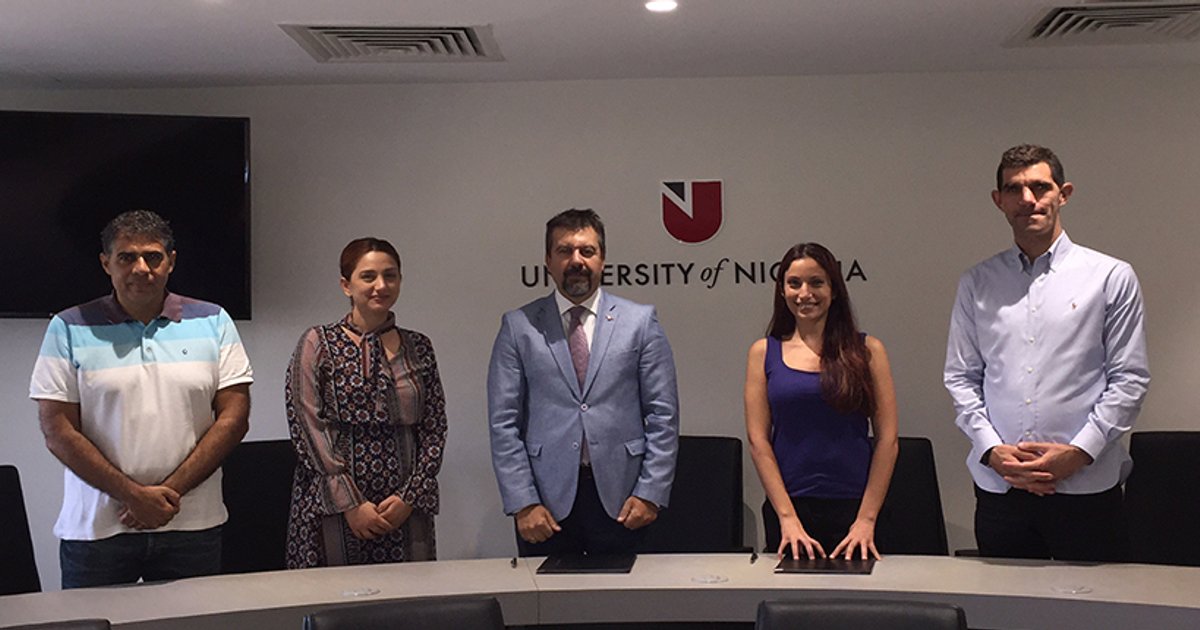
The Indonesian Ministry of Higher Education and Technology (Kemdiktisaintek) has announced the enhancement of international cooperation with the Republic of Cyprus in the fields of higher education and scientific research, through the signing of a memorandum of understanding aimed at facilitating cooperation between Indonesian universities and their Cypriot counterparts. This announcement came during a meeting between the Deputy Minister of Higher Education and Technology, Stella Kristi, and the Ambassador of the Republic of Cyprus to Indonesia, Nikos Panagiotopoulos, at the ministry's office in the capital, Jakarta.
Kristi emphasized that the memorandum of understanding will serve as a general framework that allows universities to collaborate directly without the need to sign new agreements at the institutional level, thereby facilitating the academic cooperation process.
Event Details
In her statement, Kristi explained that the purpose of this memorandum is to reduce the time and effort universities spend preparing new agreements, allowing them to focus on content-based collaboration and research. She pointed out that there are many similarities between Indonesia and Cyprus, particularly in areas such as marine research, which opens up wide prospects for cooperation.
For his part, the Cypriot ambassador confirmed that many universities in Cyprus offer scholarships to Indonesian students in various disciplines, including undergraduate and postgraduate programs, contributing to the enhancement of academic exchange between the two countries.
Background & Context
Historically, the relationship between Indonesia and Cyprus has seen notable development, as both countries seek to enhance cooperation in multiple fields, including education and trade. Cyprus is considered a meeting point between European and Middle Eastern cultures, making it a strategic partner for Indonesia in strengthening academic ties.
As a densely populated country, Indonesia aims to improve the quality of higher education through international partnerships, reflecting its commitment to developing the education system and expanding the horizons of scientific research.
Impact & Consequences
This step represents a new beginning for enhancing academic cooperation between Indonesia and Cyprus, which could lead to an increase in opportunities for joint research and knowledge exchange. Additionally, collaboration in areas such as marine technologies and carbon capture can contribute to achieving sustainable development goals for both countries.
This partnership is expected to enhance the capabilities of Indonesian researchers by providing access to international funding, thereby boosting Indonesia's standing in the global academic arena.
Regional Significance
These initiatives are a positive step towards enhancing academic cooperation among nations and could inspire Arab countries to expand their partnerships with other countries in the fields of education and research. In light of the challenges facing the region, these partnerships could serve as a means to foster innovation and knowledge exchange.
In conclusion, the cooperation between Indonesia and Cyprus serves as a model for enhancing international academic relations, opening new horizons for collaboration among countries in various fields.