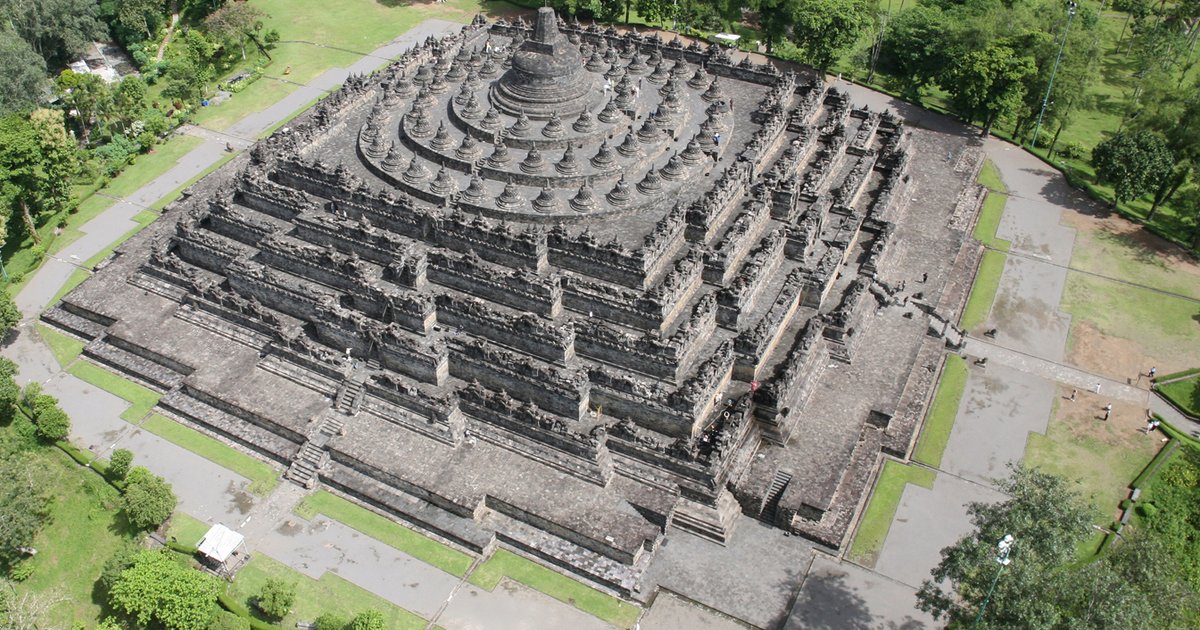
The Central Java government of Indonesia, in collaboration with the Ministry of Economy, is striving to enhance the status of Borobudur Temple and three other temples as global religious centers. The Deputy Governor of Central Java, Taj Yasin Maimun, announced in Semarang efforts to renew the memorandum of understanding regarding the use of Borobudur Temple, Prambanan Temple, Mendut Temple, and Pawon Temple, aiming to strengthen their roles as places of worship.
This initiative comes as the current agreement, which covers the period from 2021 to 2026, is set to expire. Maimun emphasized the importance of renewing this memorandum to make it more effective and facilitate visitors from various religions to perform their rituals.
Event Details
The Deputy Governor clarified that the new memorandum should focus on providing greater facilities for visitors, in addition to promoting tourism in the areas surrounding these temples. He also highlighted the importance of integrating other temples in Central Java, such as those located in the Tawangsari and Wonosobo regions, into a single tourism promotion package to enhance the region's international appeal.
The resumption of international flights from General Ahmad Yani Airport in Semarang was also discussed, making access to these temples easier and boosting opportunities for religious tourism.
Background & Context
Borobudur Temple is considered one of the largest Buddhist temples in the world and is listed as a UNESCO World Heritage Site. The temple dates back to the 9th century and is regarded as a symbol of Indonesian culture and history. Since then, it has become a major destination for visitors from around the globe, reflecting the significance of religious tourism in Indonesia.
Historically, Indonesia has seen significant growth in tourism, becoming one of the leading tourist destinations in Southeast Asia. However, the challenges the country faces in preserving its cultural and religious heritage require effective strategies to ensure the sustainability of these landmarks.
Impact & Consequences
These efforts are part of a broader strategy to promote sustainable tourism in Indonesia, as the government seeks to balance tourism activities with cultural heritage preservation. This memorandum is expected to attract more tourists, especially from neighboring countries like Thailand, where reports indicate a growing interest among Thai youth in traveling to Borobudur for spiritual purposes.
Moreover, enhancing religious tourism can contribute to improving the living standards of local residents by providing new job opportunities and boosting the local economy.
Regional Significance
Religious tourism is also a topic of particular importance in the Arab world, where many Arabs seek to visit religious landmarks worldwide. The experience of visiting Borobudur Temple could inspire Arab visitors, especially given the increasing trend towards cultural and religious tourism.
In conclusion, these Indonesian efforts reflect a strong commitment to preserving cultural heritage and promoting sustainable tourism, contributing to enhancing the country's status on the international stage.