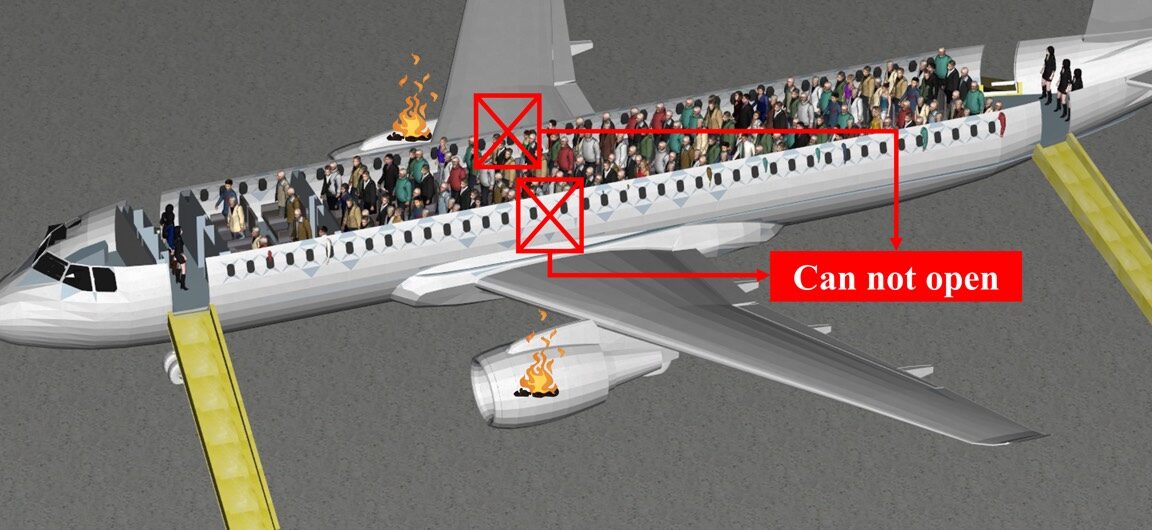
Recent studies indicate that a balanced distribution of elderly passengers in aircraft cabins significantly improves evacuation procedures. This strategy aims to facilitate the movement of these slower-moving passengers, reducing congestion and increasing the effectiveness of evacuation operations during emergencies.
These findings are particularly important given the rising number of elderly travelers worldwide. Research has shown that this demographic requires more time and effort to reach aircraft exits, necessitating careful planning by airlines to ensure their safety.
Event Details
The studies conducted involved analyzing passenger behavior during emergencies, observing how elderly passengers react during evacuation attempts. The results indicated that their presence in specific areas of the aircraft could significantly enhance evacuation speed.
It has also been suggested that flight crews should be trained on how to assist elderly passengers, which would expedite the evacuation process and ensure everyone's safety. This trend comes at a time when there is increasing concern about aviation safety and the need to improve evacuation procedures.
Background & Context
Historically, evacuation procedures on aircraft have heavily relied on the speed of passengers and their ability to move quickly. With the growing number of elderly travelers, it has become essential to reevaluate these procedures to ensure their safety. In recent years, the aviation industry has seen significant changes in how it addresses the needs of passengers with disabilities, including the elderly.
These studies are part of broader efforts to enhance aviation safety, as airlines strive to provide better services for all passengers, including those with special needs. These efforts reflect the industry's commitment to improving the travel experience and ensuring the safety of everyone.
Impact & Consequences
The results of these studies hold significant importance for the aviation industry, as they could lead to changes in aircraft cabin design and seat distribution. If these strategies are adopted, we may witness substantial improvements in evacuation procedures, reducing incidents and injuries during emergencies.
Moreover, these changes could influence how airlines market their flights, showcasing their commitment to the safety of elderly passengers, thereby enhancing their reputation and attracting more customers.
Regional Significance
In the Arab region, where the number of elderly travelers is increasing due to rising life expectancy, implementing these strategies could have a substantial impact. Arab airlines can contribute to improving evacuation procedures, thereby boosting passenger confidence in air travel.
Additionally, enhancing aviation safety can promote tourism in the region, as travelers feel secure and comfortable when flying. This could positively affect the local economy and enhance air transport activity in Arab countries.
Improving evacuation procedures and the balanced distribution of elderly passengers on flights represents a significant step towards enhancing aviation safety. These strategies not only protect passengers but also reflect the aviation industry's commitment to providing the best services for all travelers.