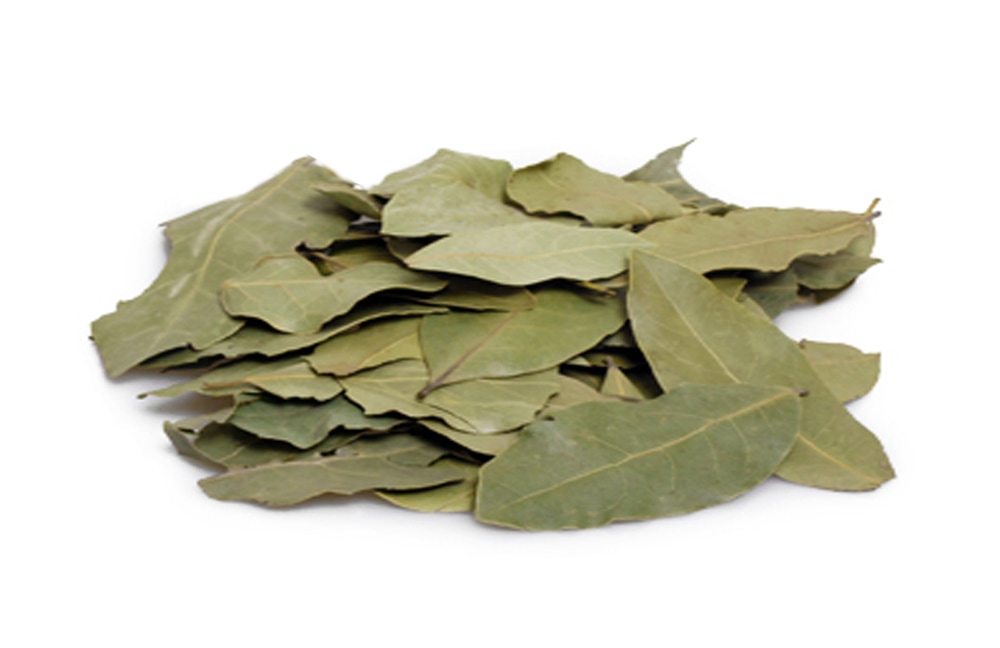
Bay leaves are considered a fundamental ingredient in Arabic cuisine, widely used in the preparation of various dishes. While some believe they are merely a decorative addition, their health benefits and distinctive flavor make them an indispensable element during the boiling process.
Bay leaves are added to boiling water when cooking meats or vegetables, enhancing flavor and imparting a special character to the dishes. They are also known for their health properties, as they are believed to aid digestion and alleviate some gastrointestinal issues.
Details of Usage
The uses of bay leaves in the kitchen are diverse, as they are employed in preparing soups, stews, and grilled dishes. Bay leaves are part of traditional spices in many cultures and are used in crafting delicious meals that require a rich and complex flavor.
Additionally, bay leaves are a source of various vitamins and minerals, such as Vitamin C, iron, and calcium. These nutrients enhance the nutritional value of the dishes to which bay leaves are added, making them a healthy choice for consumers.
Background & Context
The use of bay leaves dates back to ancient times when they were used in folk medicine to treat various ailments. In ancient civilizations, they were considered a symbol of victory and success, and they were incorporated into food preparation as part of cultural traditions.
Today, bay leaves continue to enjoy great popularity in Arabic cuisine, regarded as an integral part of culinary cultural identity. With the growing interest in health and nutrition, bay leaves have become a focal point for many seeking to improve their diets.
Impact & Consequences
Studies show that using bay leaves can enhance the health benefits of dishes, encouraging their increased use in the kitchen. The growing awareness of the benefits of bay leaves may lead to a rise in demand for them in markets, thereby enhancing their economic value.
Moreover, the use of bay leaves can contribute to the promotion of Arabic food culture, as they are part of the culinary heritage passed down from generation to generation. This connection between traditional ingredients and health underscores the importance of bay leaves in Arabic cooking.
Regional Significance
Natural ingredients like bay leaves are part of the culinary identity in the Arab region, used in preparing traditional dishes. Promoting the use of these ingredients helps preserve cultural heritage and enhances pride in culinary identity.
Furthermore, the increasing focus on health and nutrition in the Arab region underscores the importance of bay leaves, as they are considered a healthy option that can add nutritional value to dishes. This trend may encourage innovation in Arabic cuisine, contributing to the development of new dishes that combine flavor and health benefits.
In conclusion, bay leaves are not merely a decorative addition; they are a fundamental element that enhances the flavor of dishes and offers numerous health benefits. Their use in Arabic cuisine demonstrates how natural ingredients can contribute to improving quality of life and preserving cultural heritage.