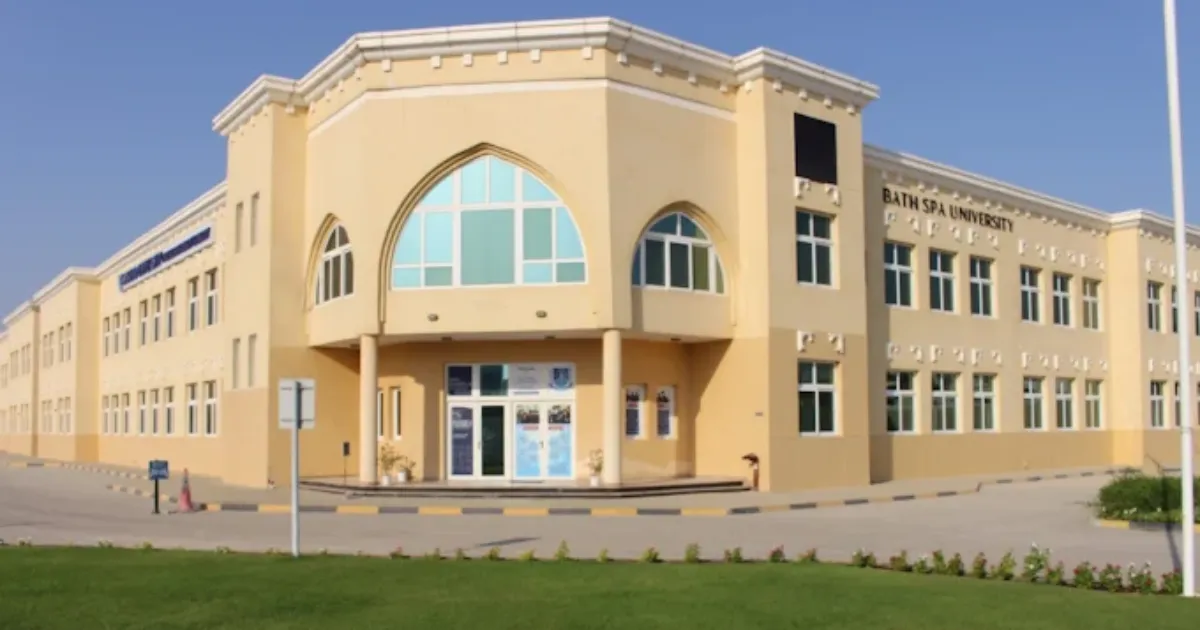
Universities in Ras Al Khaimah are equipping students with essential skills for the job market through advanced educational programs and partnerships with local companies. These efforts align with the UAE's vision to enhance higher education and achieve sustainable development.
Ras Al Khaimah is one of the seven emirates that make up the United Arab Emirates and has witnessed significant developments in the higher education sector in recent years. Universities are striving to improve the quality of education and offer study programs that align with market needs, contributing to graduating cohorts of students capable of competing in the job market.
Event Details
Universities in Ras Al Khaimah are developing curricula that focus on both practical and theoretical skills, collaborating with local companies to identify the skills required in the job market. This collaboration provides students with opportunities for practical training and acquiring necessary experiences before graduation.
Several initiatives have also been launched to promote innovation and entrepreneurship among students. These initiatives include workshops, competitions, and mentoring programs aimed at encouraging students to develop their ideas and turn them into successful projects.
Background & Context
Historically, universities in the UAE focused on traditional academic education, but with the rapid changes in the job market, it has become essential to reassess educational curricula. In recent years, the UAE government has launched strategies aimed at improving the quality of higher education, including establishing partnerships with global educational institutions.
These efforts are part of the UAE Vision 2021, which aims to build a strong knowledge-based economy, focusing on developing the skills necessary to face future challenges. Higher education plays a pivotal role in achieving sustainable development and enhancing innovation across various sectors.
Impact & Consequences
These initiatives represent an important step towards achieving integration between education and the job market, helping to reduce the gap between what students learn and what employers need. Additionally, enhancing practical skills contributes to increasing employment levels among graduates, benefiting the local economy.
Moreover, providing opportunities for practical training and field experiences helps students build strong professional networks, facilitating their entry into the job market after graduation. This dynamic enhances universities' ability to meet the changing needs of the market.
Regional Significance
The Ras Al Khaimah experience serves as a model for the Arab region, where other countries can benefit from these initiatives to enhance higher education and skill development. Amid the economic and social challenges faced by many Arab countries, improving the quality of education and skill development is essential for achieving sustainable development.
Strengthening partnerships between universities and companies can contribute to creating a more interactive educational environment, enhancing the ability of Arab youth to compete in local and international job markets. This is crucial for achieving stability and development in the region.