Indonesian Coordinating Minister for Economic Affairs, Airlangga Hartarto, emphasized that the digital economy in Indonesia can be strengthened through technological innovations in smart transportation services. He pointed out that the use of artificial intelligence will assist drivers and small to medium enterprises, in addition to creating new and inclusive job opportunities.
Hartarto explained that leveraging artificial intelligence can enhance the purchasing power of partners, especially in the small and medium enterprise sector. Furthermore, the immediate use of data, ranging from sales trends to customer summaries, will help these businesses identify the types of products they need to develop or provide.
Event Details
Amid global challenges such as economic uncertainty and geopolitical tensions, the Indonesian economy has demonstrated remarkable resilience. The national economy recorded a growth rate of 5.39% year-on-year in the fourth quarter of 2025, positioning Indonesia among the top-performing economies within the G20.
Household consumption is the primary source of economic growth, with a growth rate of 4.99%, contributing to 53.63% of the gross domestic product. This strong performance reflects a high level of domestic consumption, which boosts economic activity, including in the digital economy sector.
Background & Context
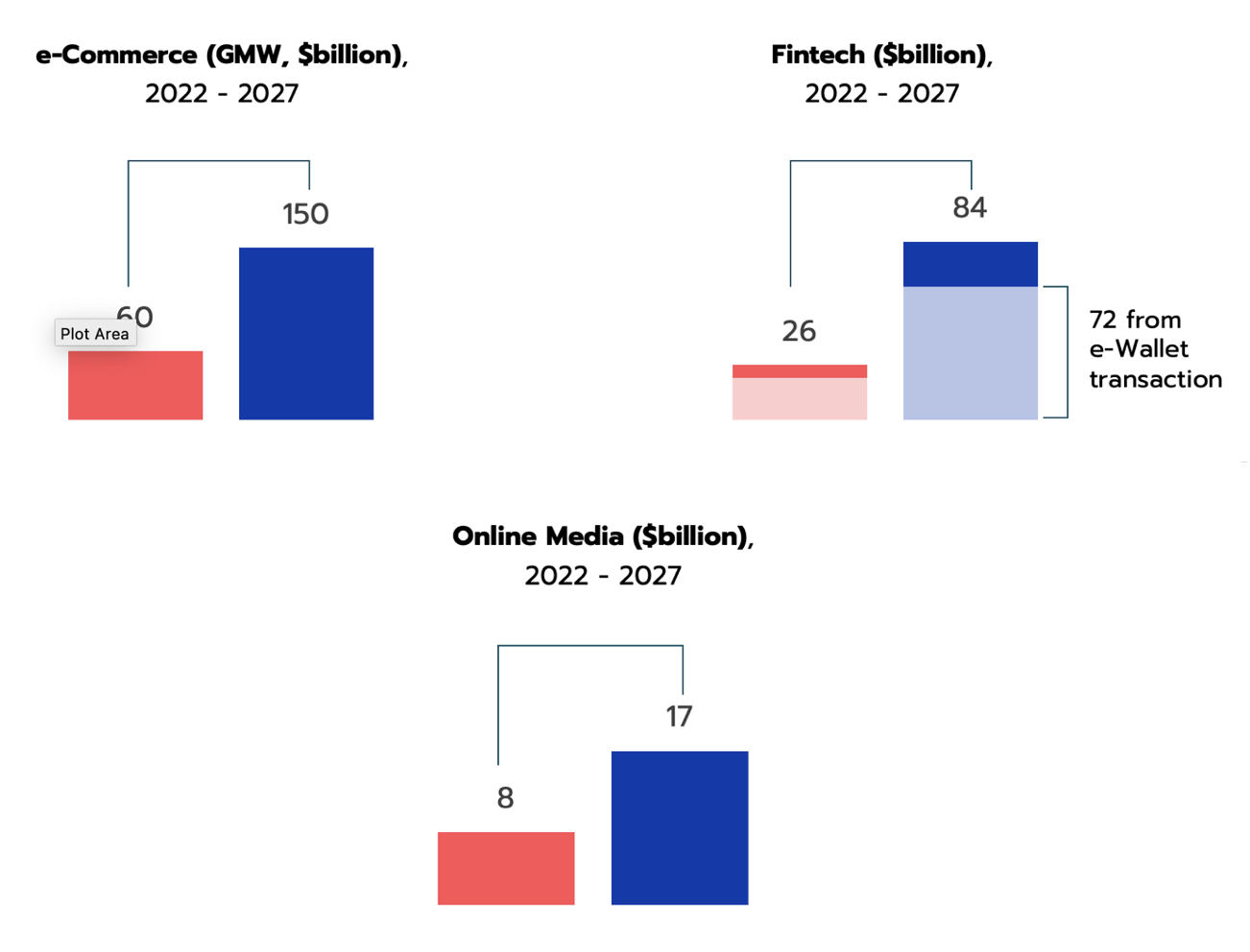
Indonesia is considered one of the most promising markets in the digital economy, with its value approaching $100 billion. It is expected that the number of startups in the country will reach approximately 3,200 by 2025, with seven global unicorn companies in sectors such as food and beverages, fintech, e-commerce, and transportation.
Moreover, the revenues of the digital economy in Southeast Asia are increasing, enhancing Indonesia's position as one of the most capable markets for adopting artificial intelligence technologies in the region.
Impact & Consequences
Despite the significant opportunities presented by technological innovation, the evolution of technology also necessitates a shift in labor market needs. According to the World Economic Forum report, approximately 22% of job types are expected to change in the coming years.
Thus, the availability of digital talent capable of adapting and innovating is vital to ensure that the digital transformation process is inclusive and sustainable. Consequently, the government is focusing on enhancing the country's readiness through various initiatives, including collaboration with companies like Arm Holdings to develop technological capabilities.
Regional Significance
Indonesia's experience in enhancing the digital economy through technological innovation serves as a model for many Arab countries. As reliance on technology increases across various sectors, Arab nations can benefit from this experience to bolster their digital economies.
In conclusion, the digital economy in Indonesia exemplifies how technology can be utilized to stimulate economic growth, opening new horizons for other countries in the region.