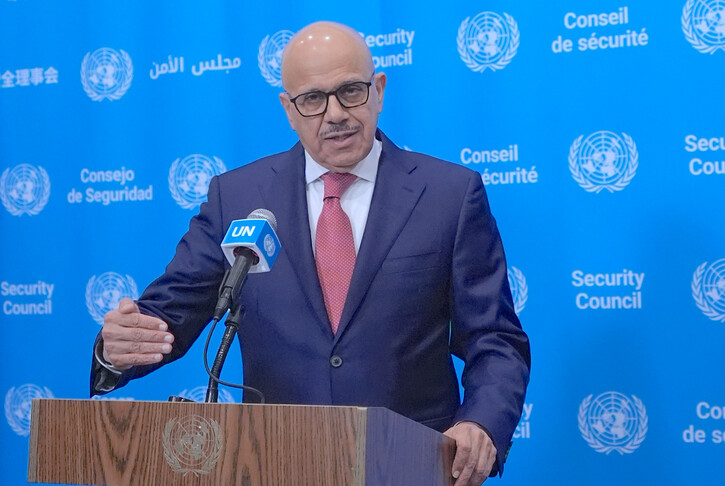
Bahraini Foreign Minister Abdullatif bin Rashid Al-Zayani stated that the need to enhance maritime security has become more urgent than ever, pointing out that Iranian threats pose a significant risk to global trade and maritime safety. This was articulated during a press conference where he clarified that maritime security is not the responsibility of a single nation but requires international collaboration.
Al-Zayani noted that Iranian activities in the region negatively impact maritime traffic, necessitating concerned nations to take effective steps to ensure the safety of maritime corridors. He emphasized the importance of coordination among countries to secure maritime trade routes, which are the lifeblood of the global economy.
Details of the Event
Al-Zayani's remarks come at a sensitive time marked by increasing tensions in the region, where maritime incidents attributed to Iran have surged, including attacks on commercial vessels. Many countries have expressed concern over these activities, prompting them to bolster their military presence in regional waters.
The minister also indicated that maritime security requires a collective response, as no single nation can bear the burden alone. He called for intensified international efforts to confront threats affecting maritime navigation, stressing the importance of cooperation among nations to ensure the safety of global trade.
Background & Context
Historically, maritime security has been a crucial topic in international relations, particularly in the Arabian Gulf, which is considered one of the most vital regions in the world for trade movement. Recent years have witnessed a rise in tensions between Iran and neighboring countries, increasing the need to strengthen maritime security.
The Strait of Hormuz, through which approximately 20% of the world's oil passes, is a critical strategic point, making any threat to maritime security in this area significantly impact the global economy. The region has experienced several maritime incidents in recent years, heightening concerns over navigation safety.
Impact & Consequences
Iranian threats directly affect maritime security and the global economy, potentially leading to rising oil prices and disrupting trade flows. Furthermore, any escalation in tensions could result in military conflicts, increasing instability in the region.
On the other hand, enhancing maritime security can contribute to the stability of global markets and foster trust among nations. Therefore, international cooperation in this field is vital for maintaining maritime safety and ensuring the flow of trade.
Regional Significance
For Arab countries, strengthening maritime security is a top priority, as many of these nations rely on maritime trade as a primary source of revenue. Thus, any threat to maritime security directly impacts the Arab economy.
Moreover, cooperation among Arab nations in the field of maritime security can enhance their ability to face common challenges. This collaboration is essential to ensure regional stability and protect economic interests.
In conclusion, it is evident that enhancing maritime security is not an option but an urgent necessity requiring effective international cooperation to address the increasing threats, particularly from Iran, to ensure maritime safety and protect global trade.